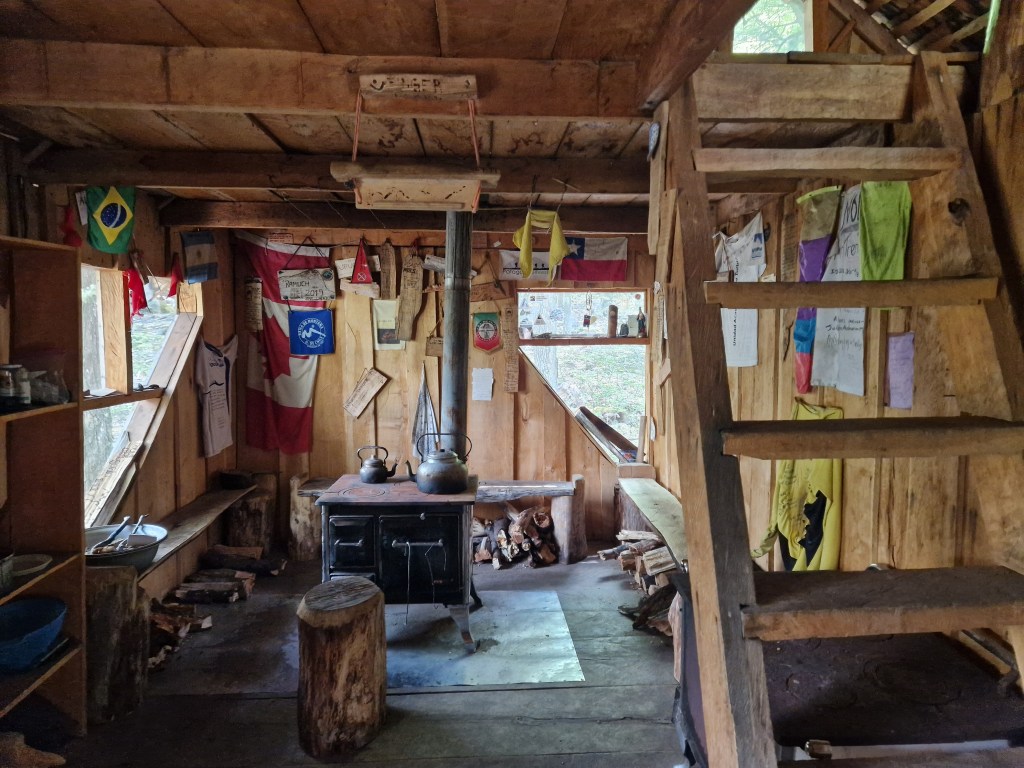
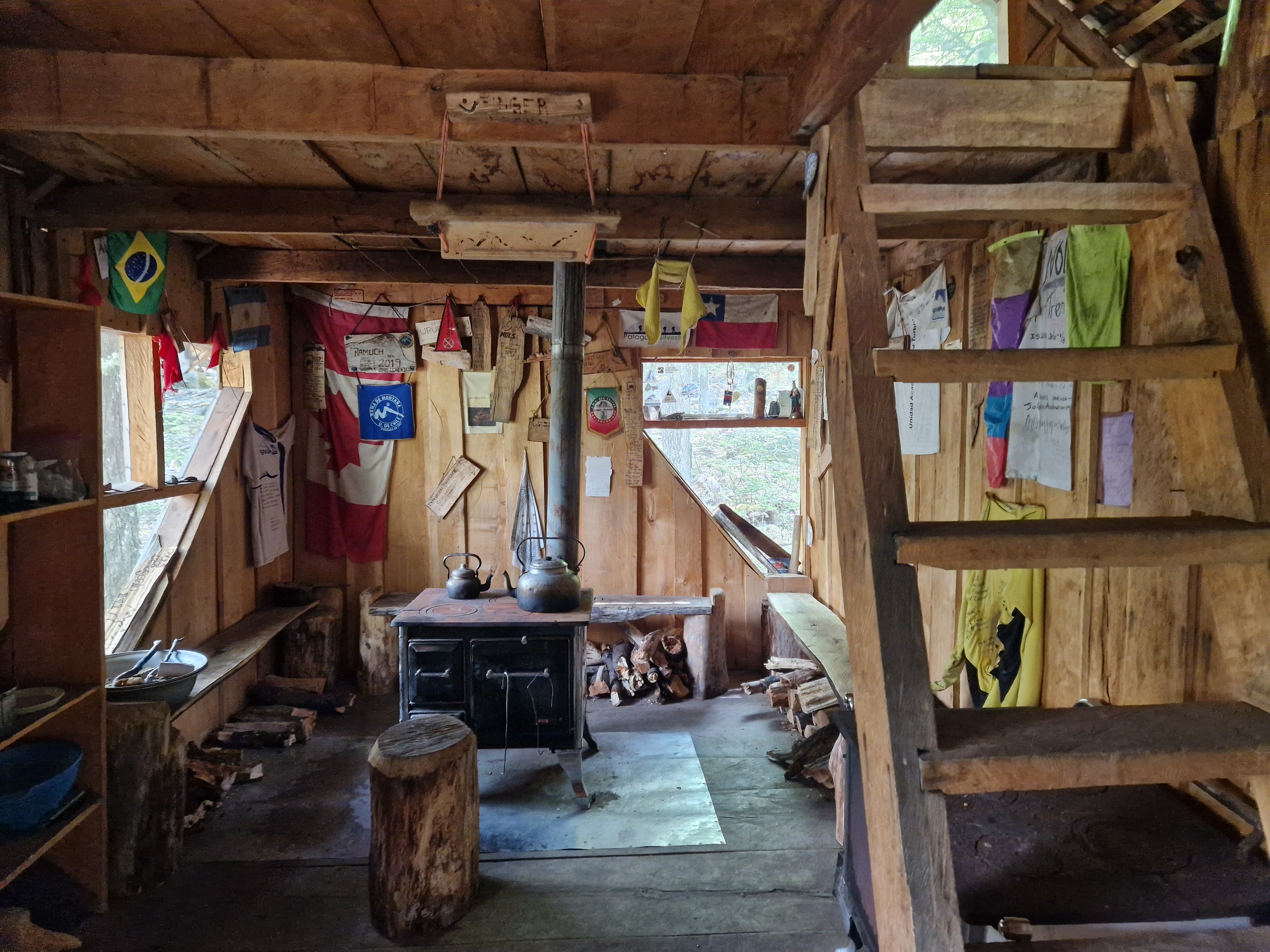
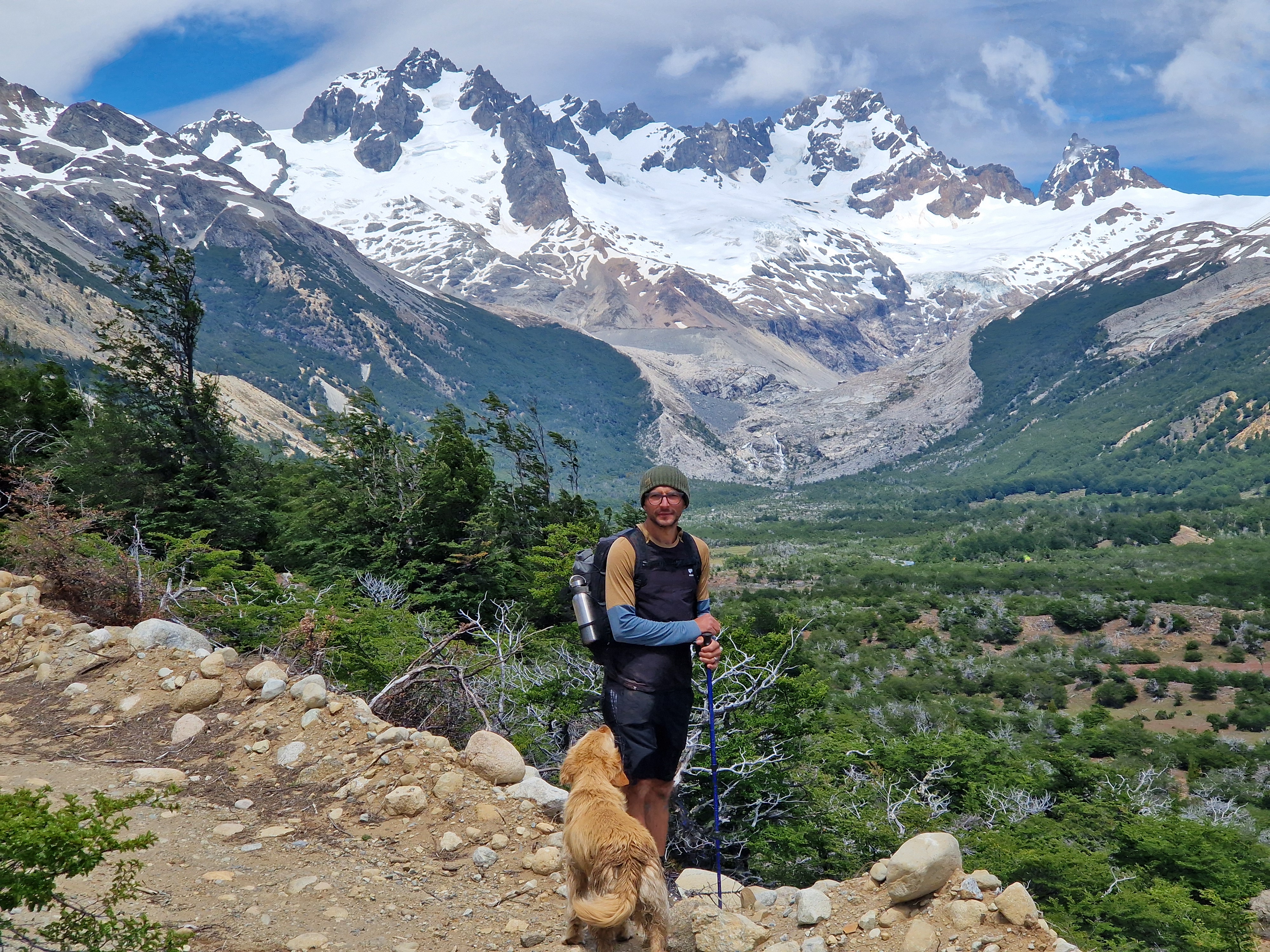
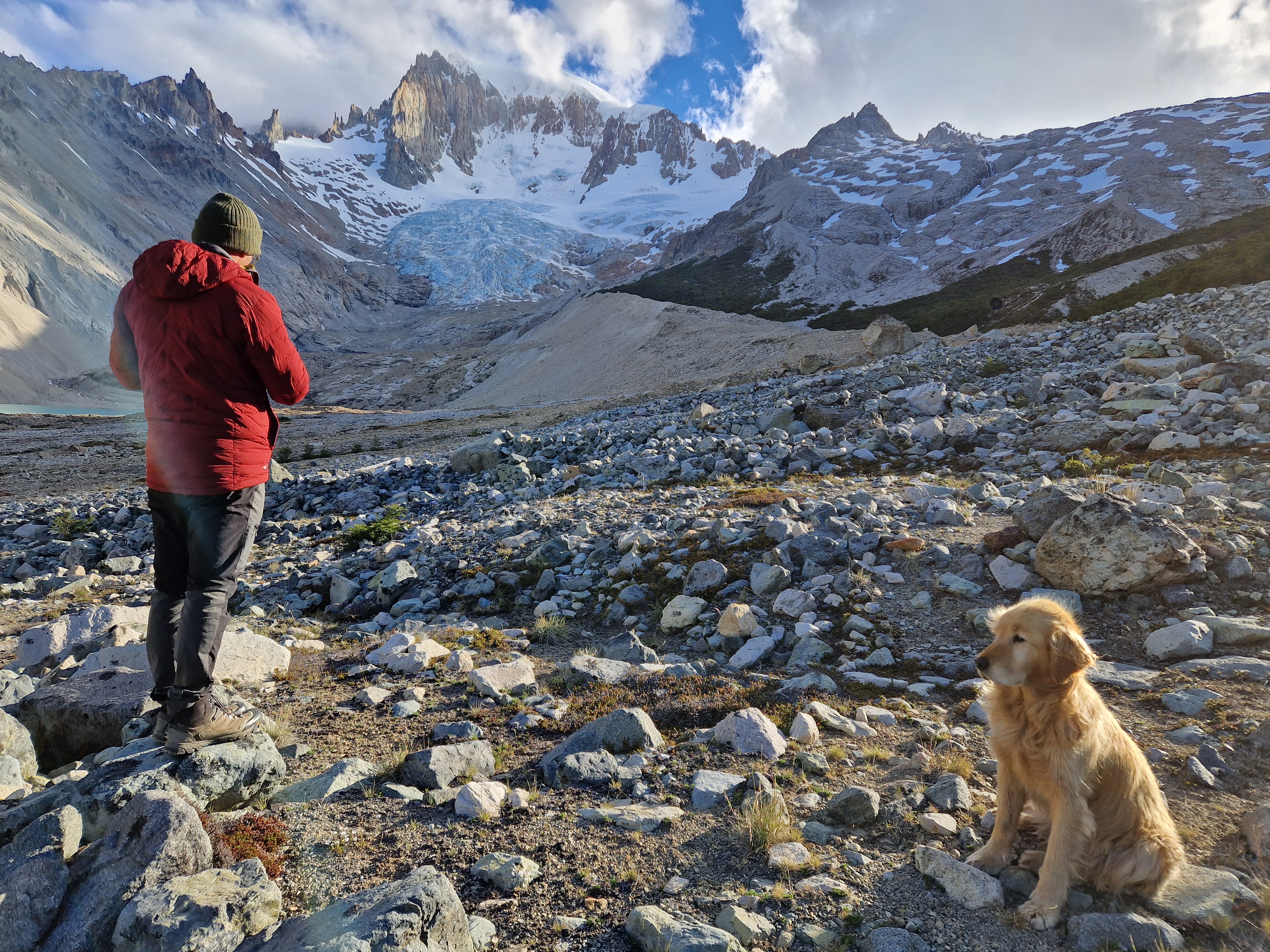
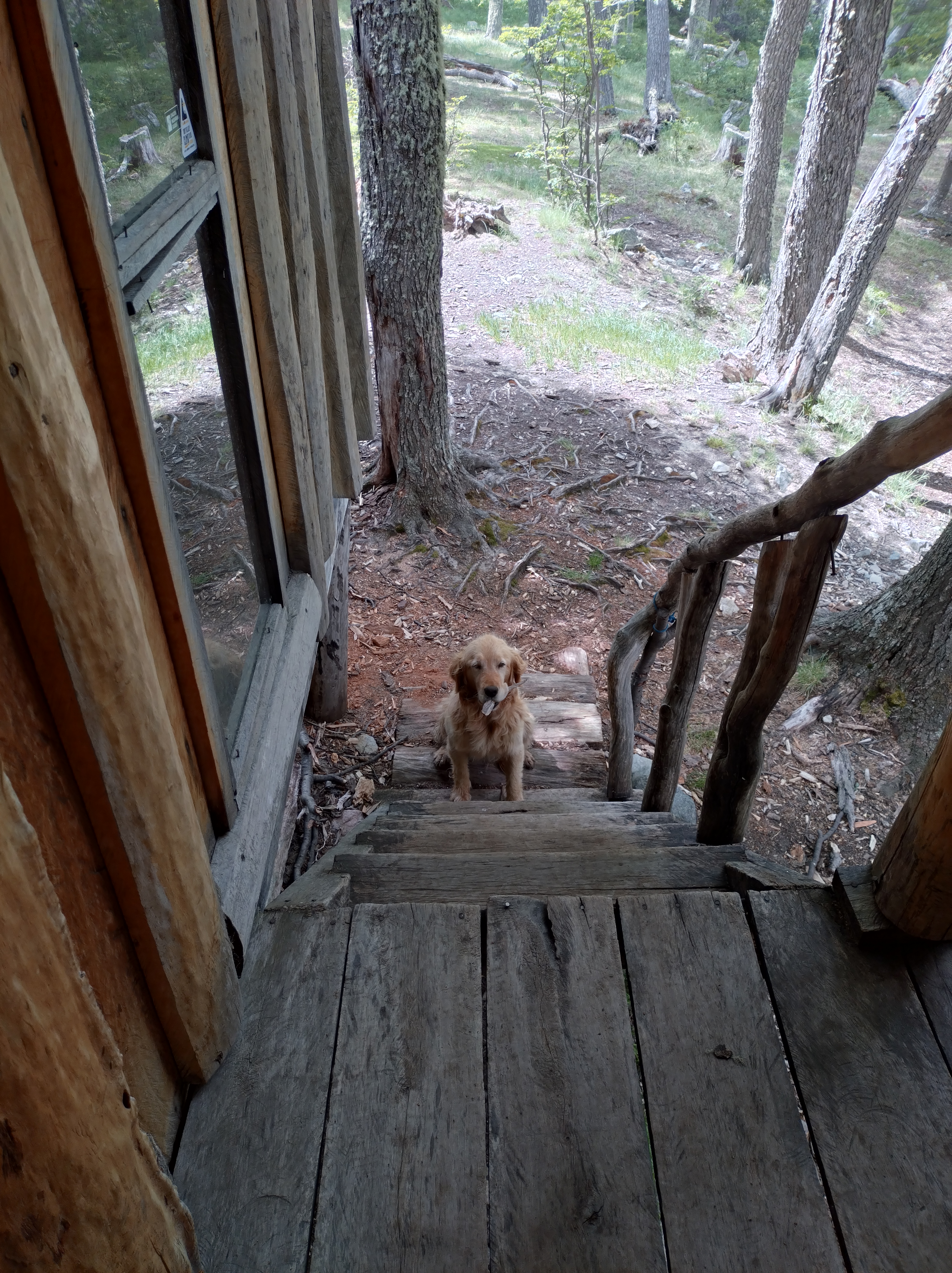
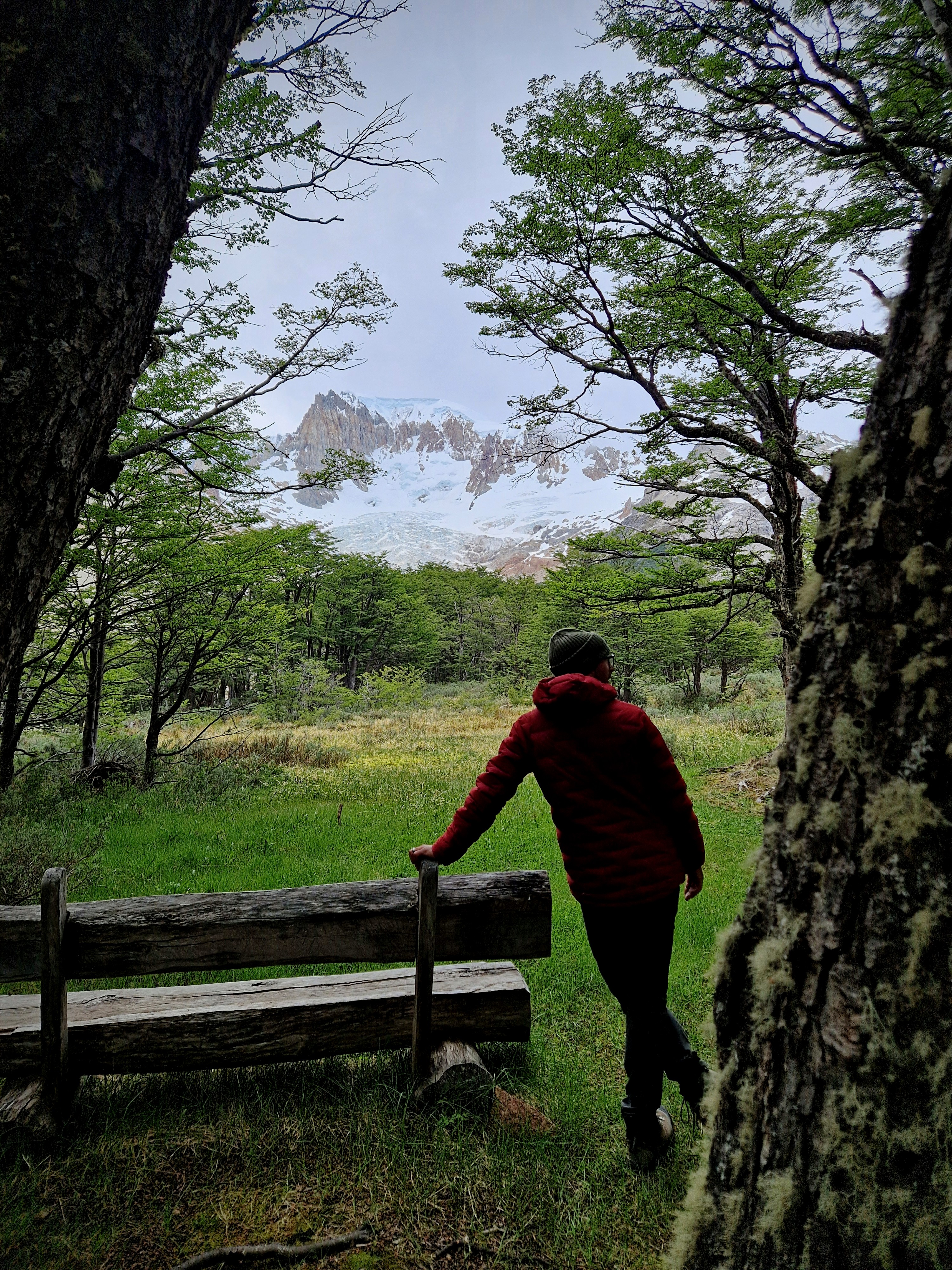
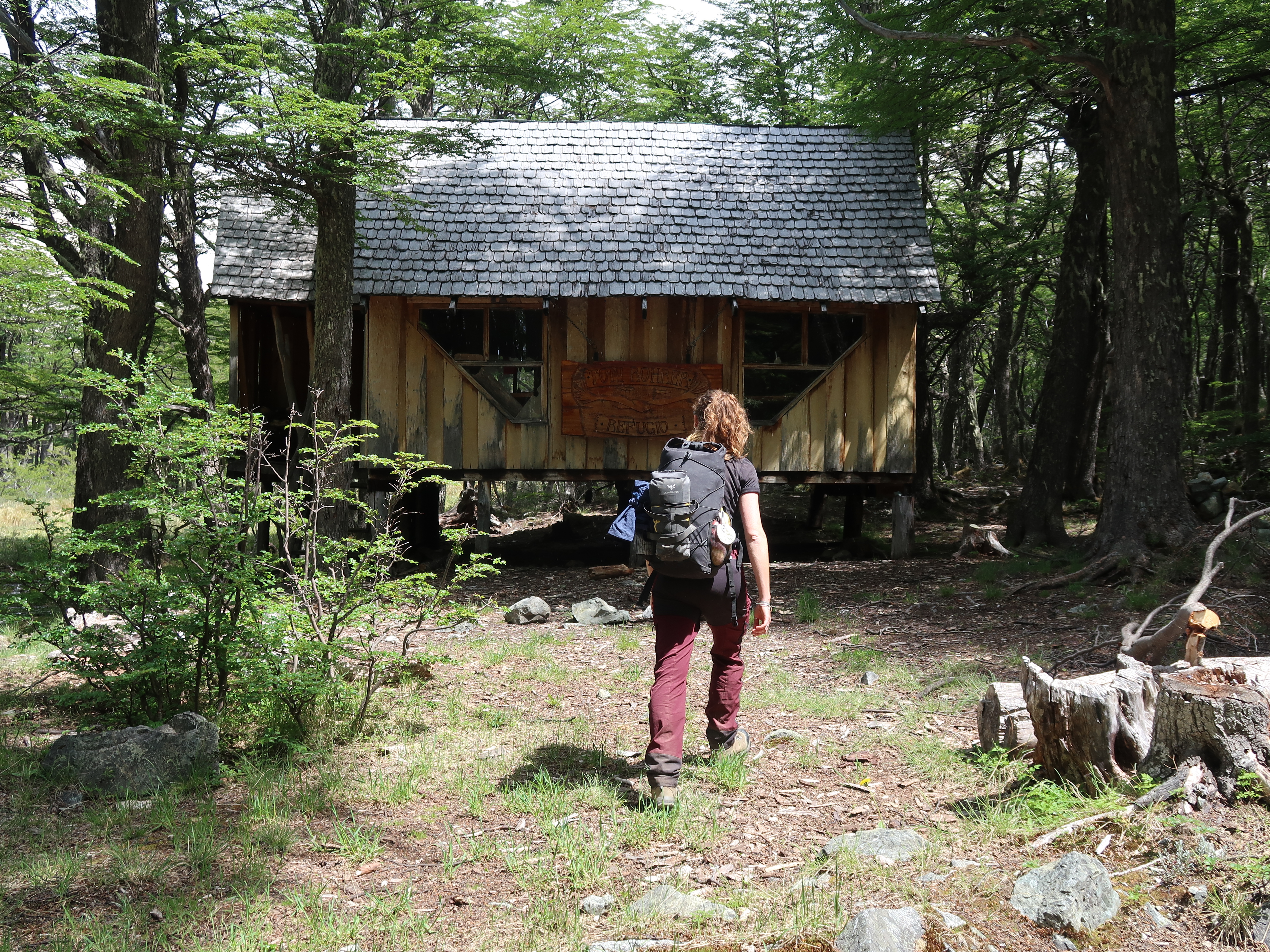
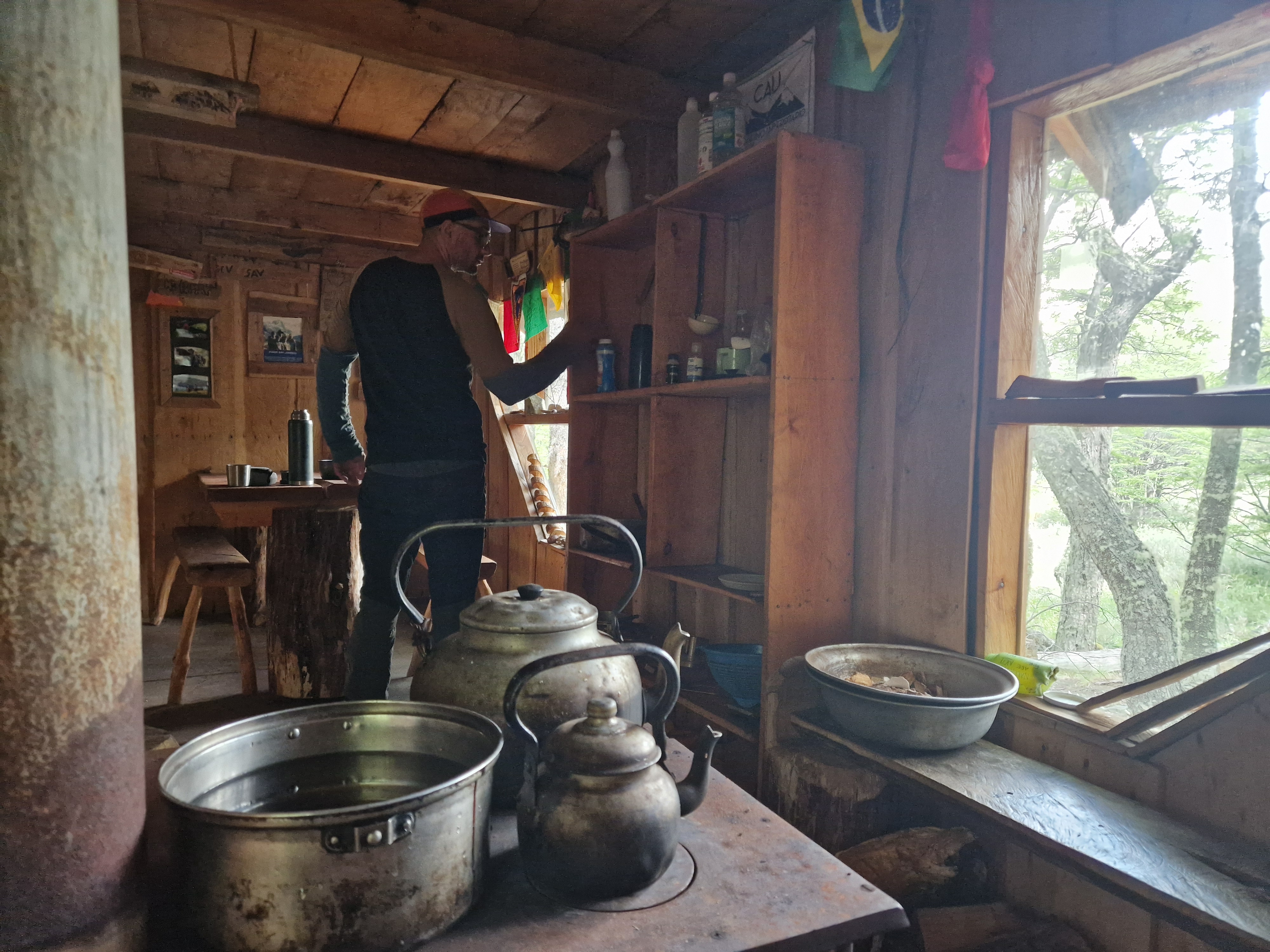
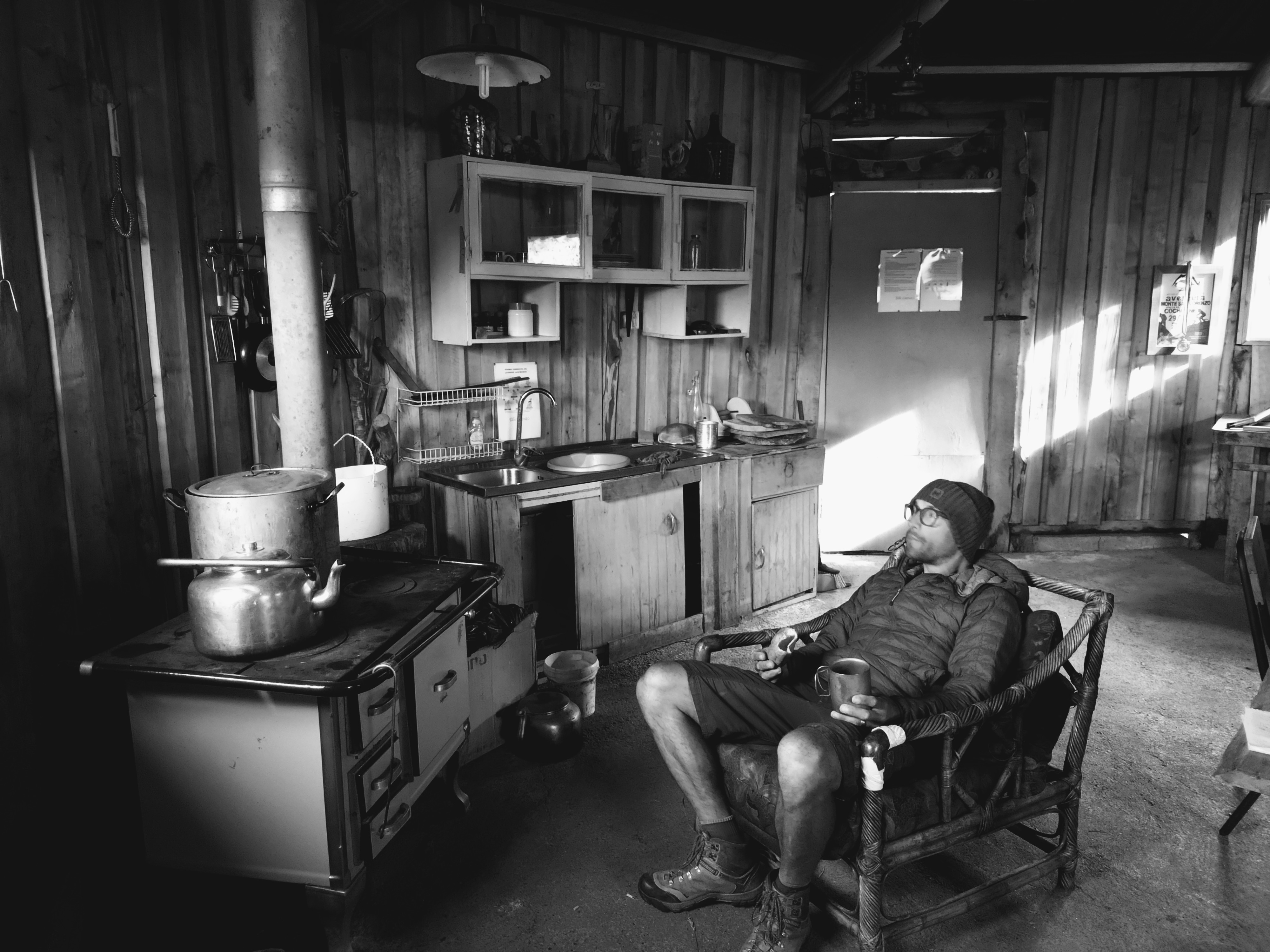
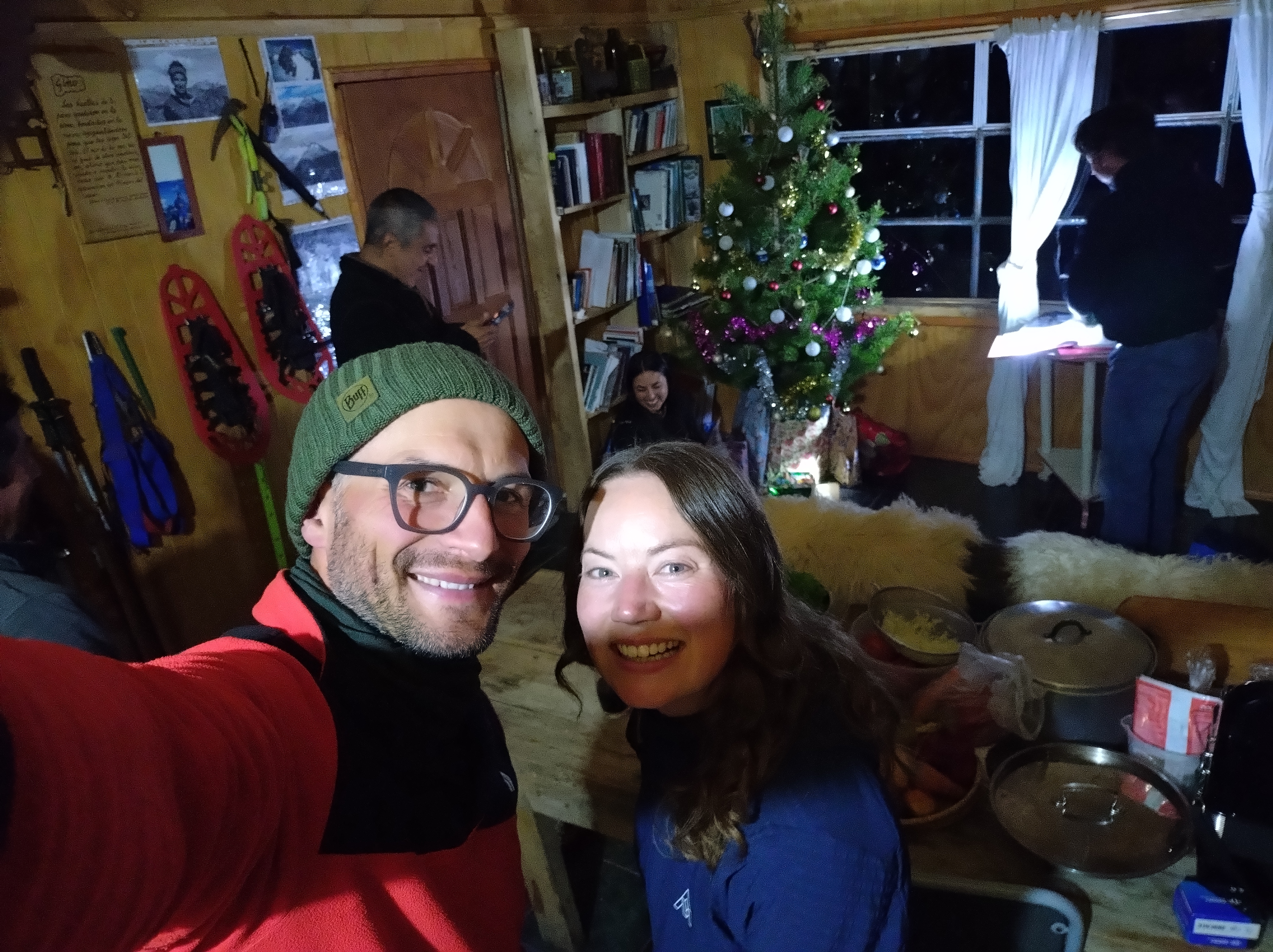
I’m writing this post from the Toni Rohrer Refugio at Campamento D’Agostini, the base camp for Monte San Lorenzo (the second highest mountain in Southern Patagonia at 3706m). Don’t worry, we aren’t going to pretend to be mountaineers and attempt the climb. But we have taken a slight detour from our route North, to enjoy a couple of days off the bikes. We are currently spending some time hiking and exploring this beautiful, remote area of San Lorenzo. And as it’s almost Christmas and we never know what day it is anyway, we’re treating this as our Christmas holiday! The mountain hut is in a sheltered wood, at the edge of the lake that pools at the bottom of the ice blue glacier, covering the mountain side. The incredible wooden refugio is hand built, full of character, with mountaineering memorabilia covering the walls, a cosy stove to keep us warm and it has one of the largest kettles I’ve ever seen – so for us, it’s perfect.
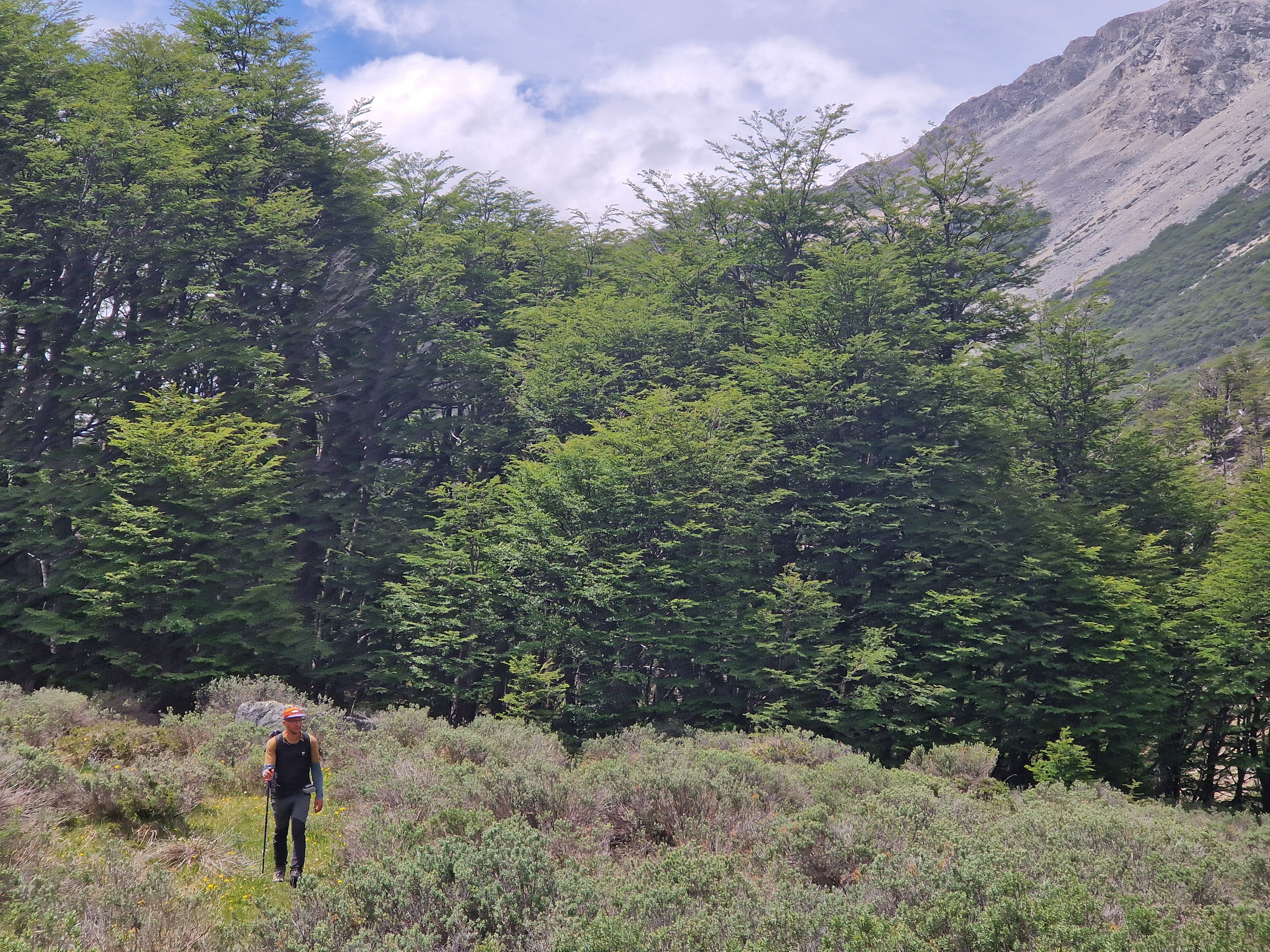
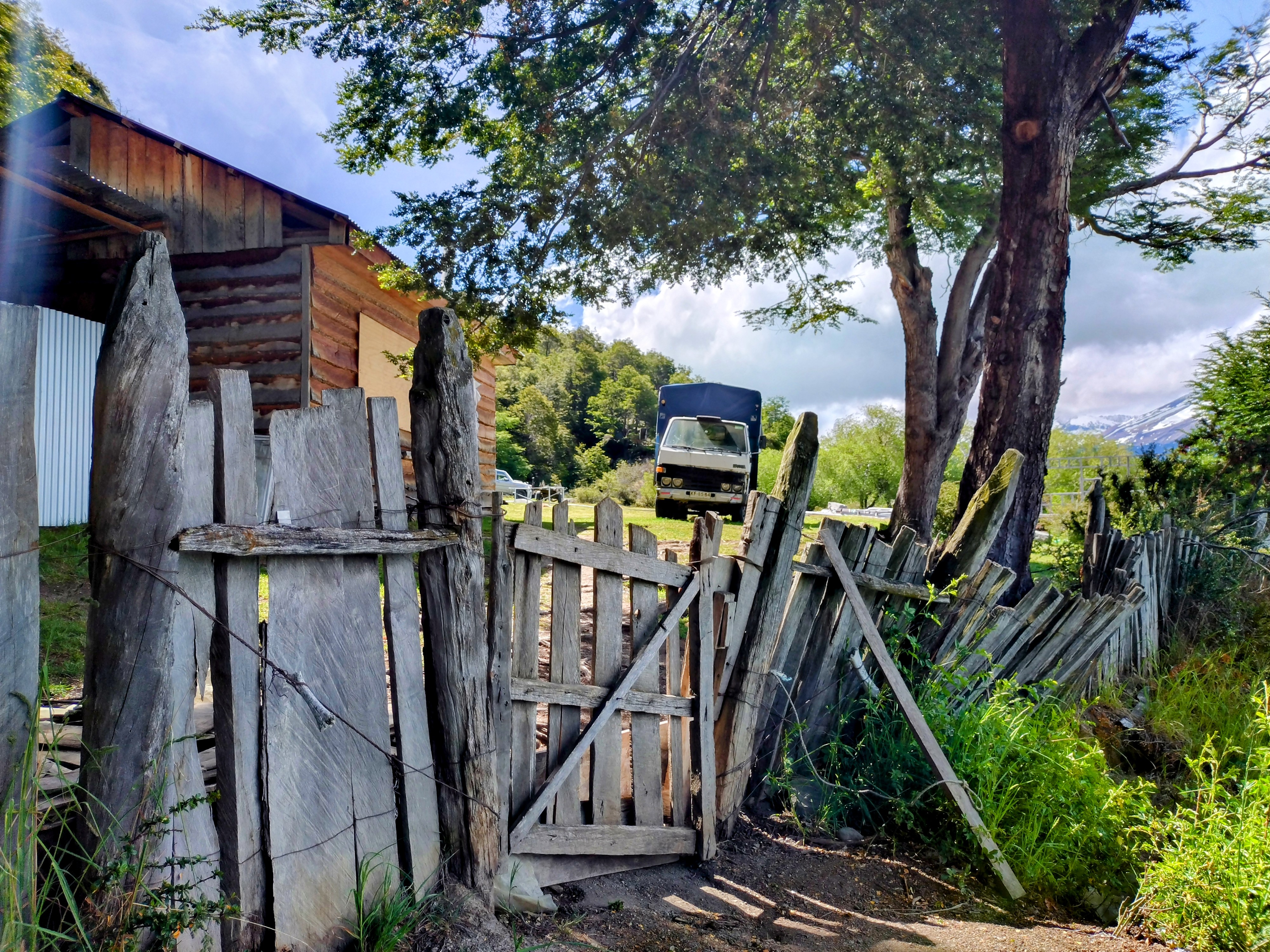
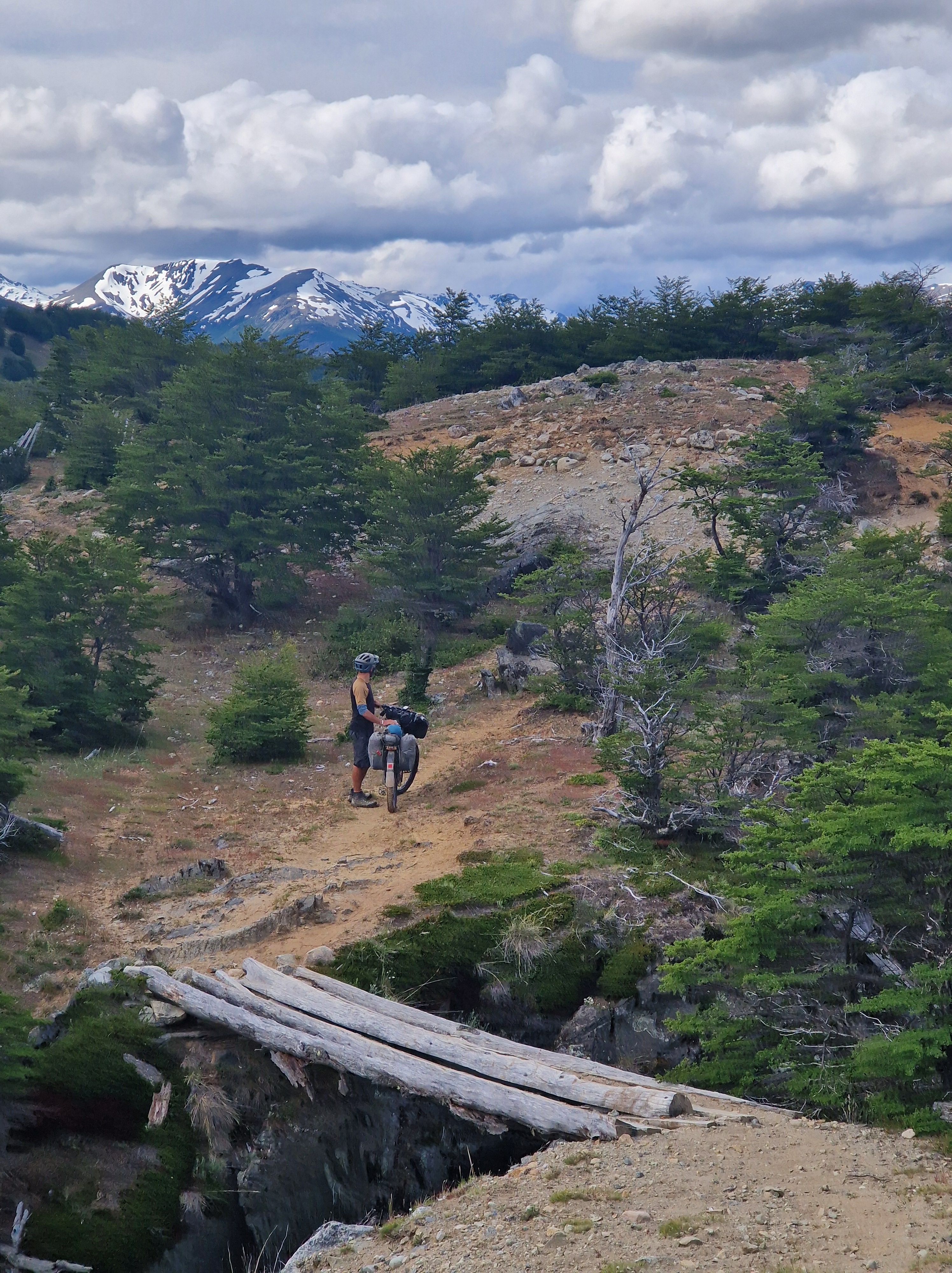
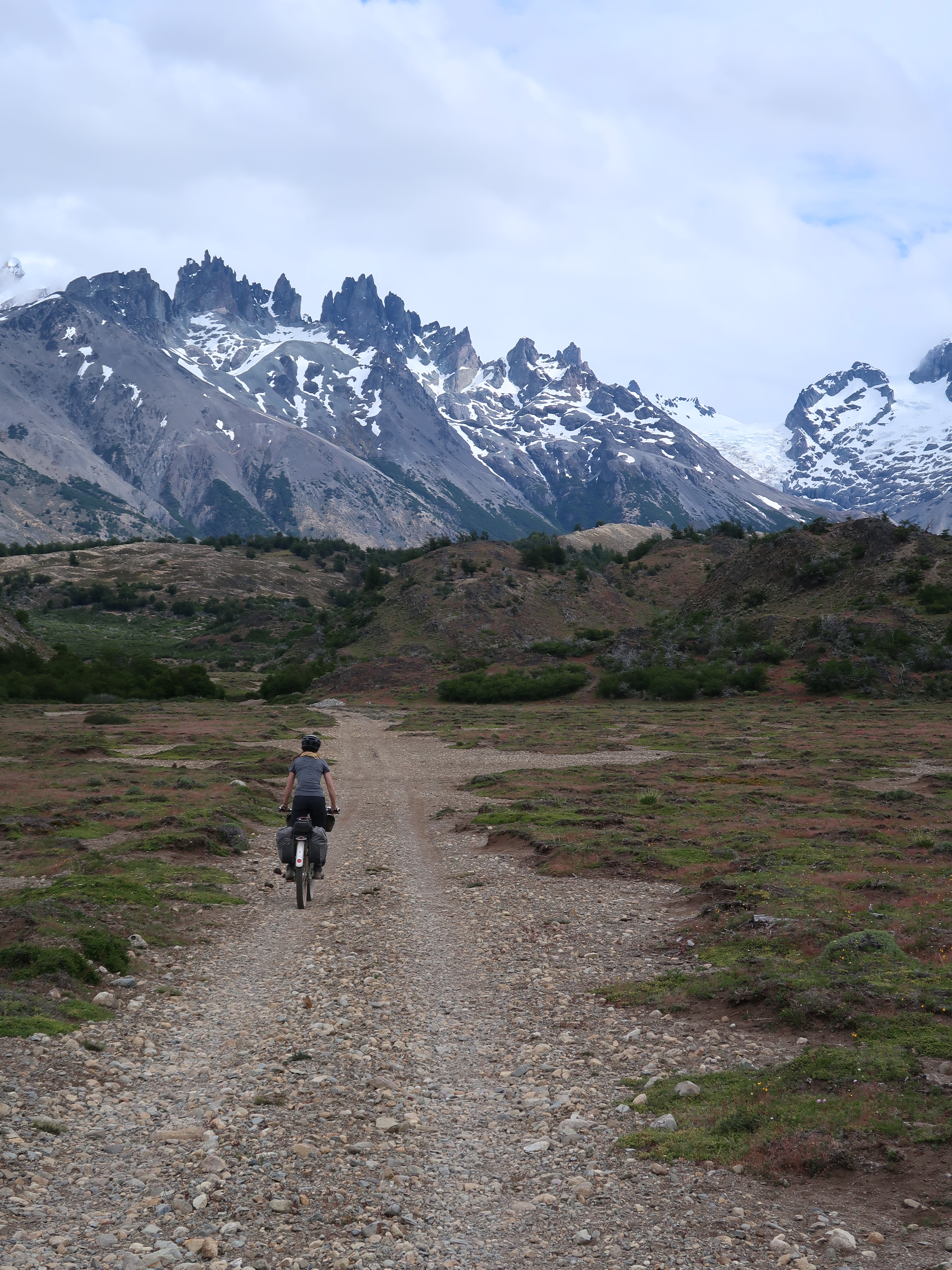
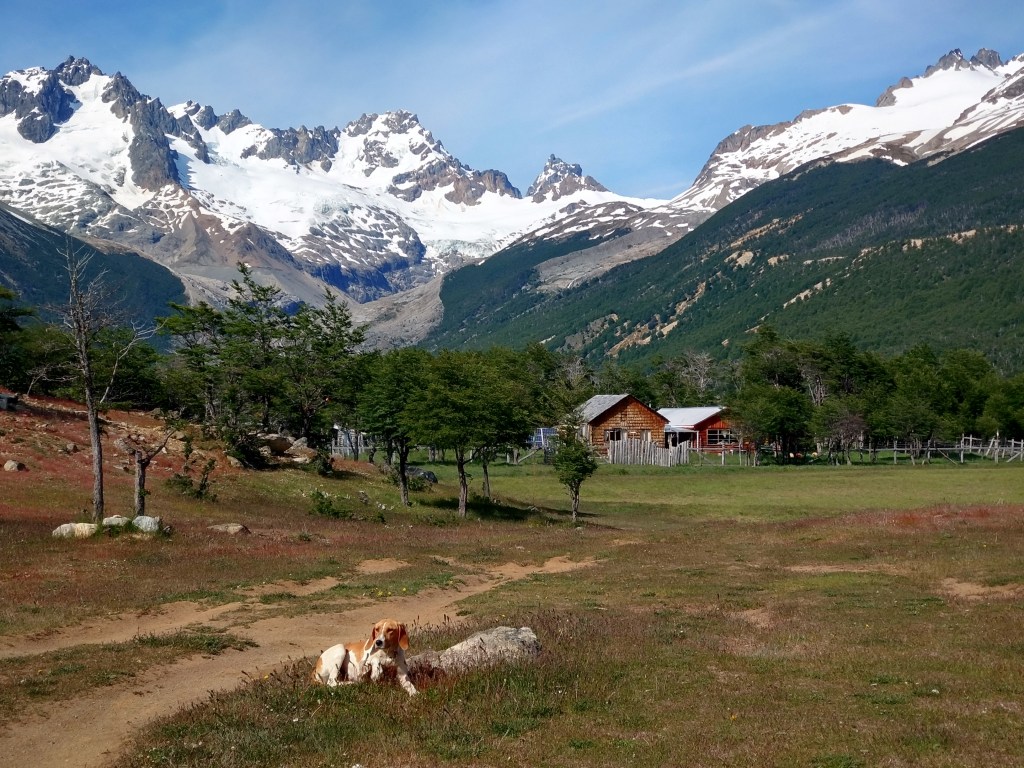
We hiked to the refugio this morning (unintentionally accompanied by Kiera, a gentle, calm, well-behaved but super stinky golden retriever from the farm!) having camped last night at Fundo San Lorenzo, an Estancia that owns the land around here and makes some additional income from mountaineers who come to climb the mountain and the occasional tourist who leaves the beaten track for something a little different (like us!). We spent the whole day yesterday cycling to the Estancia – firstly along a very bumpy, bone rattling gravel road, and then along the farm ‘driveway’ which is 10km of off-road riding, and involves fording two rivers and climbing 300m. We didn’t see any traffic after our first hour of riding yesterday and to say that the farm feels remote is a bit of an understatement, but it was well worth the effort to experience both the Estancia and the mountain refugio. It’s a pretty special place and we feel privileged that the family at the Estancia are happy to share it with the likes of us – if only for a few days!

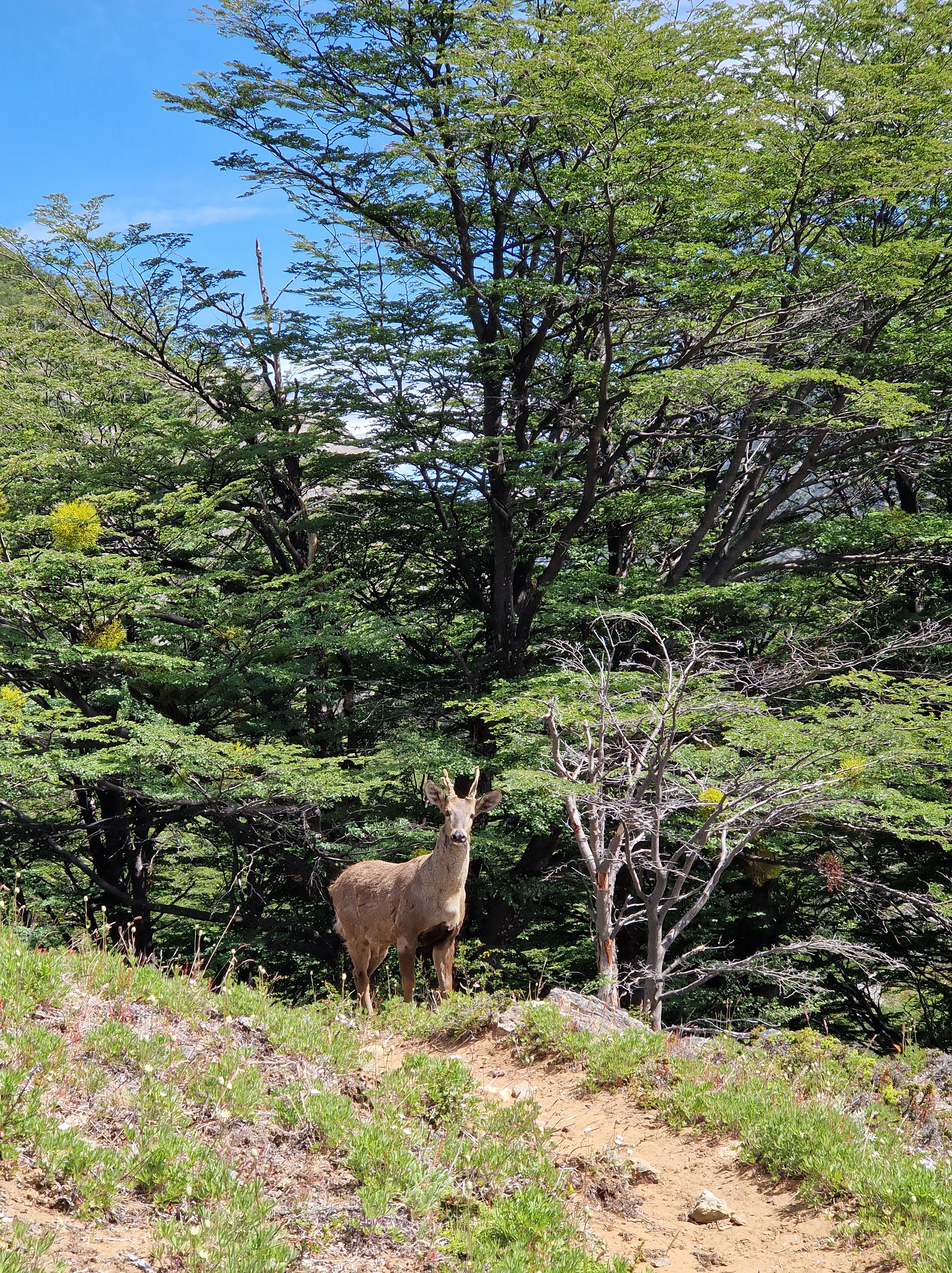
All that being said, I feel like I’m getting ahead of myself – I need to rewind a little. There is lots to fill you in on since our last post. We’ve criss-crossed between Argentina and Chile heading North over the last couple of weeks and we’ve experienced picture perfect Patagonia – it really is as beautiful as the postcards suggest. In all honesty, it’s hard to truly absorb and explain all the diversity and contrasts of everything we’ve seen and experienced, but below are some bits that stick out in my mind – the good, the bad and the ugly!
Thank heavens for AGVP posts
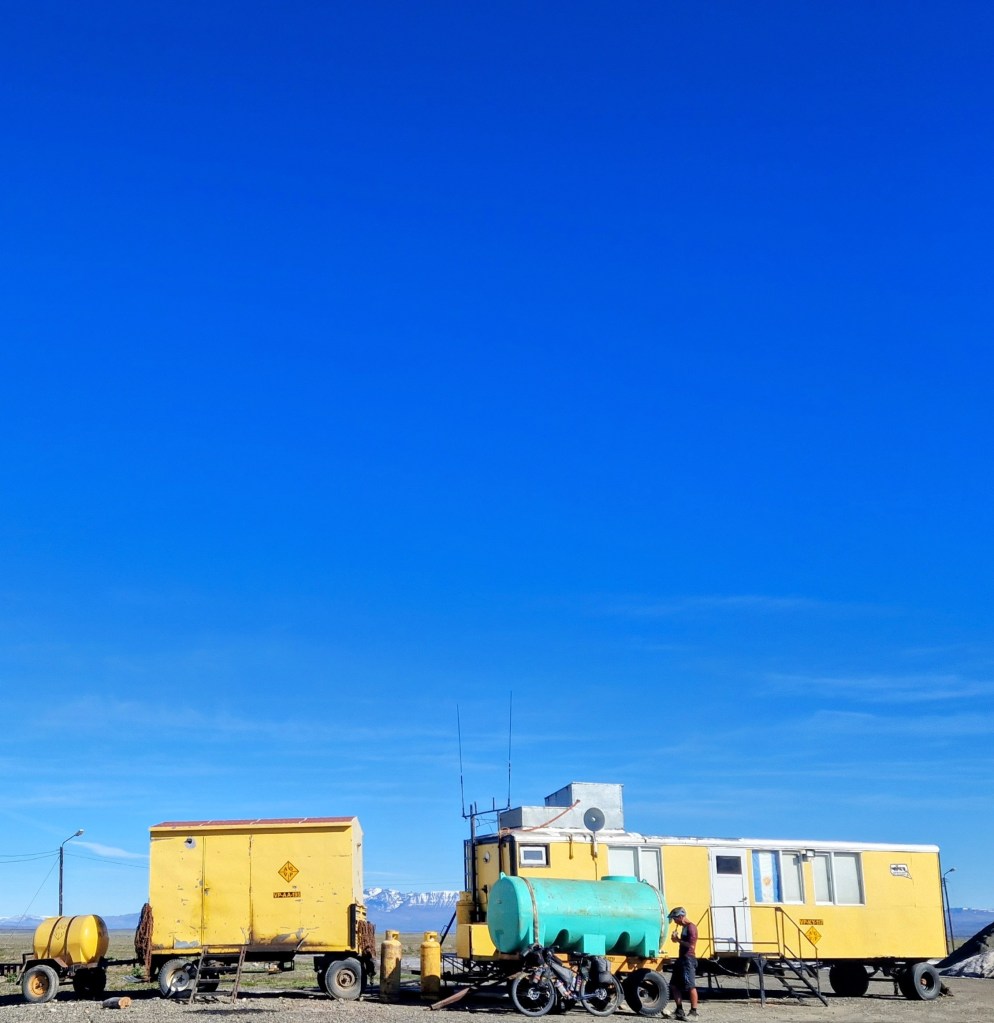
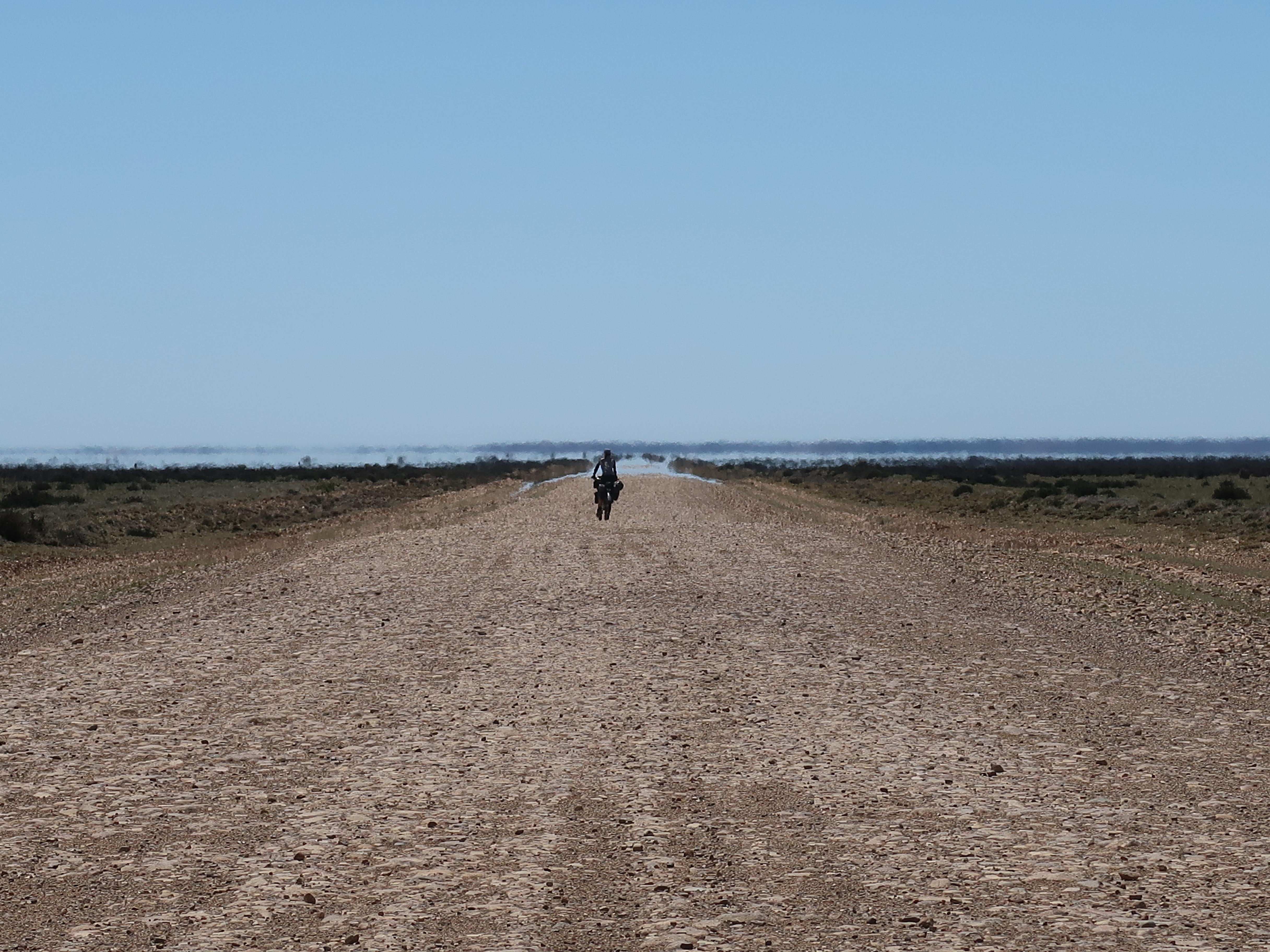
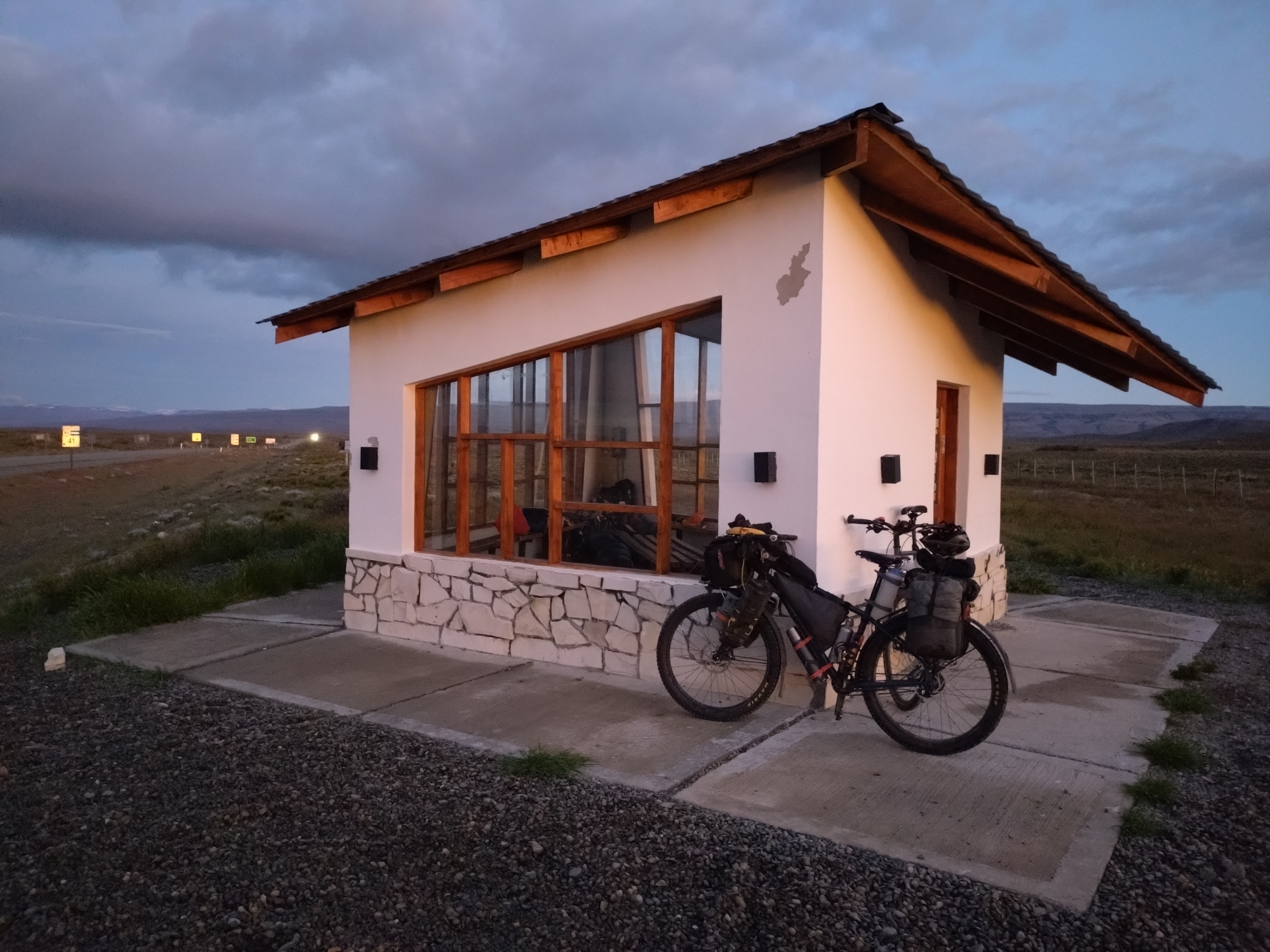
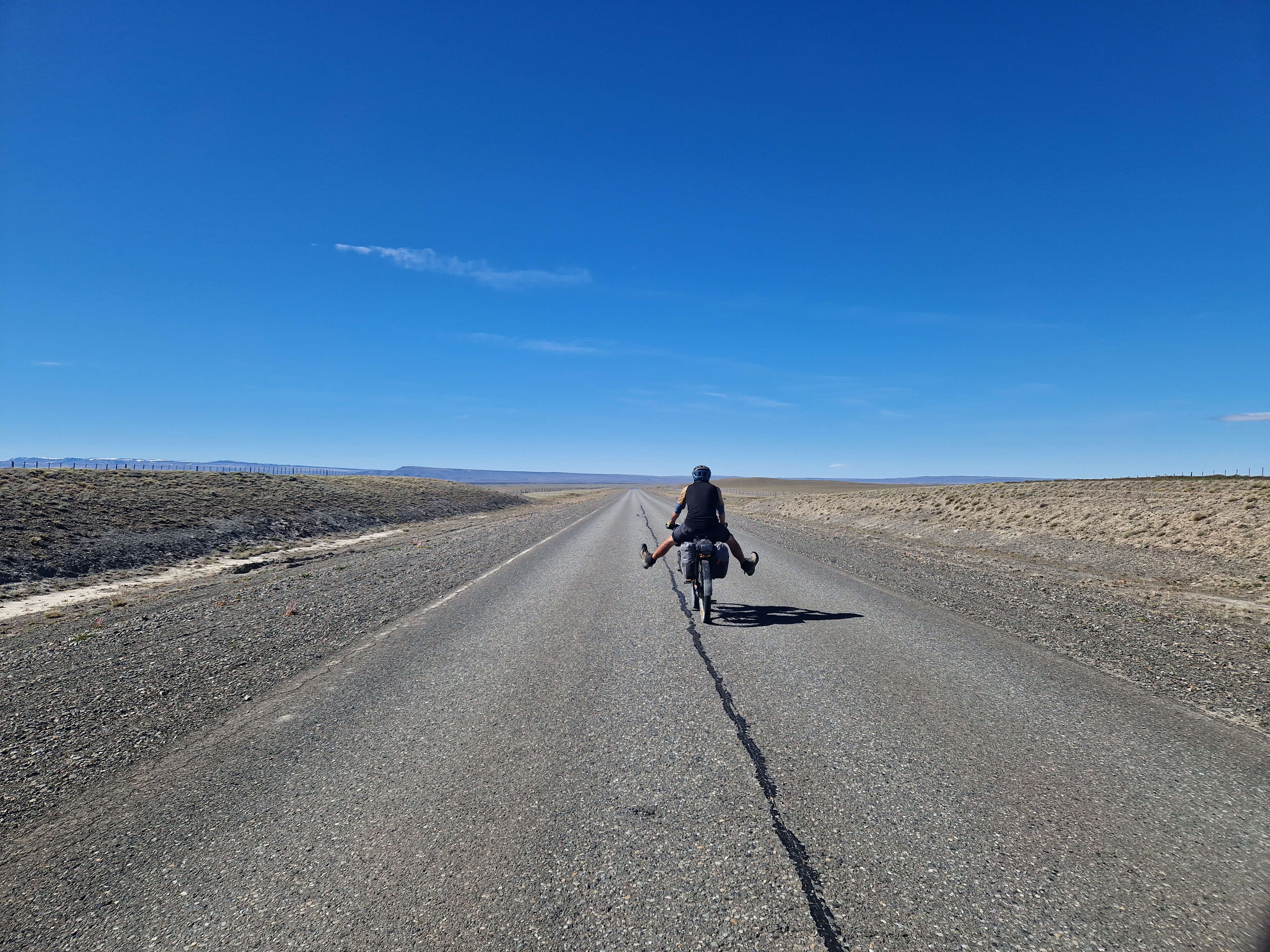
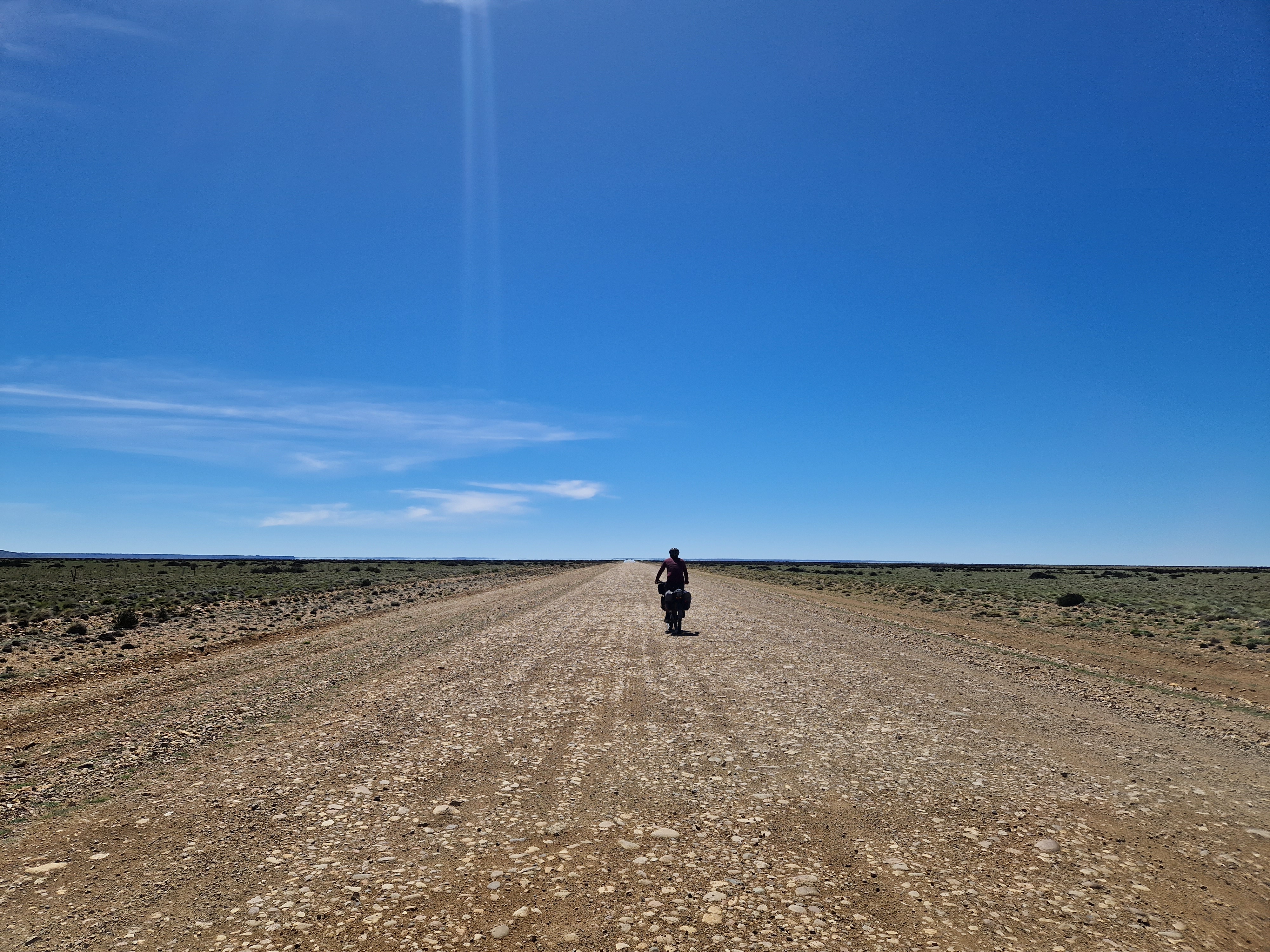
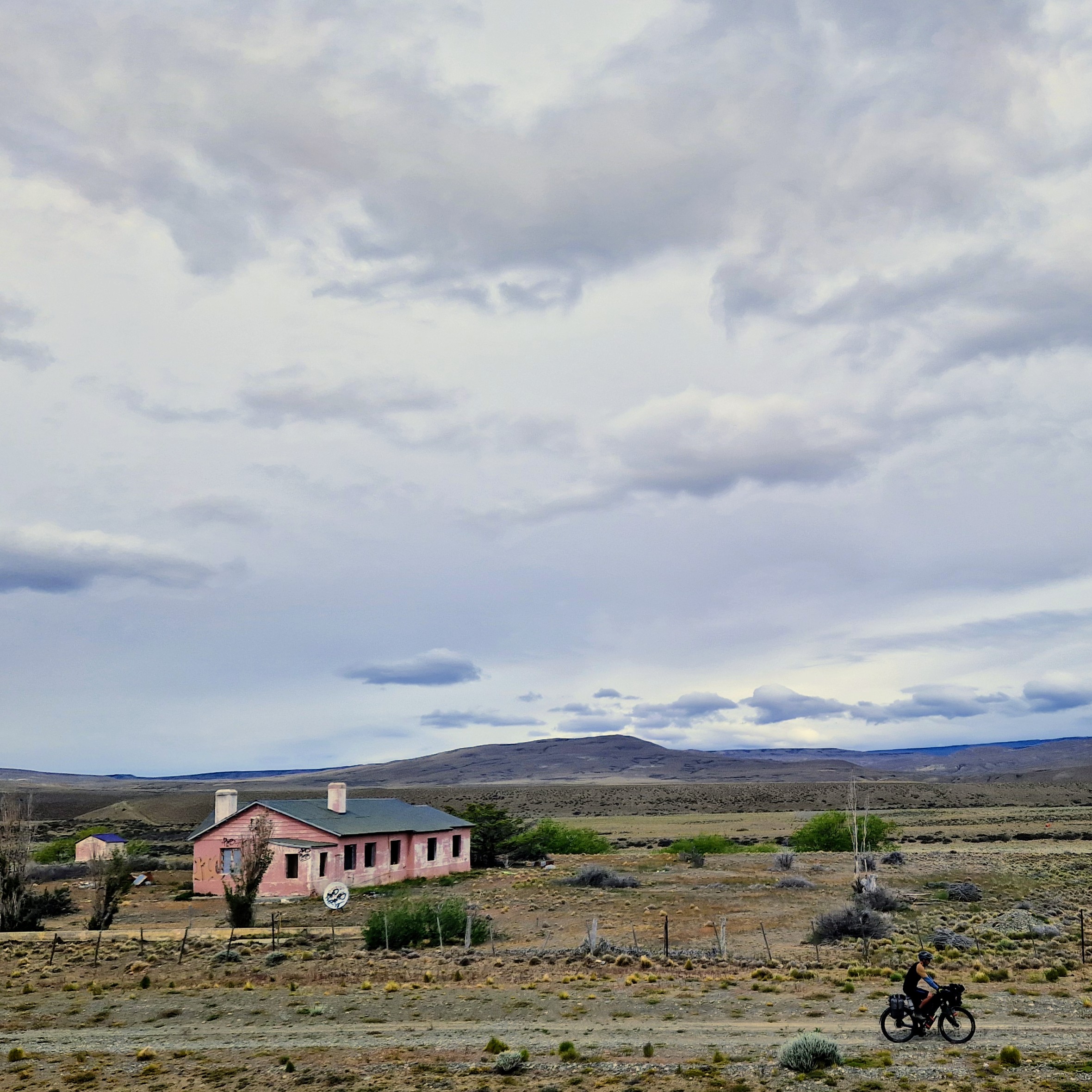
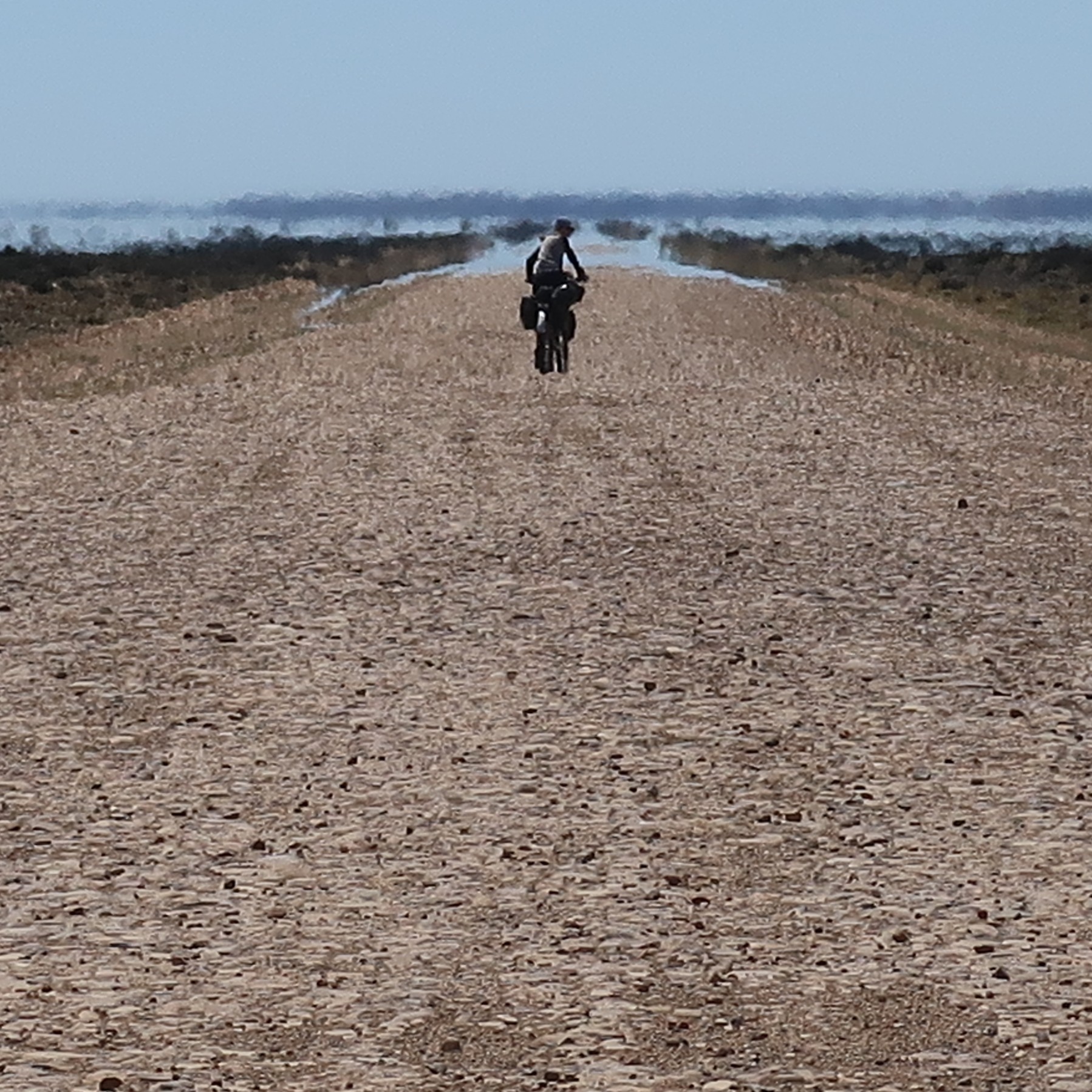
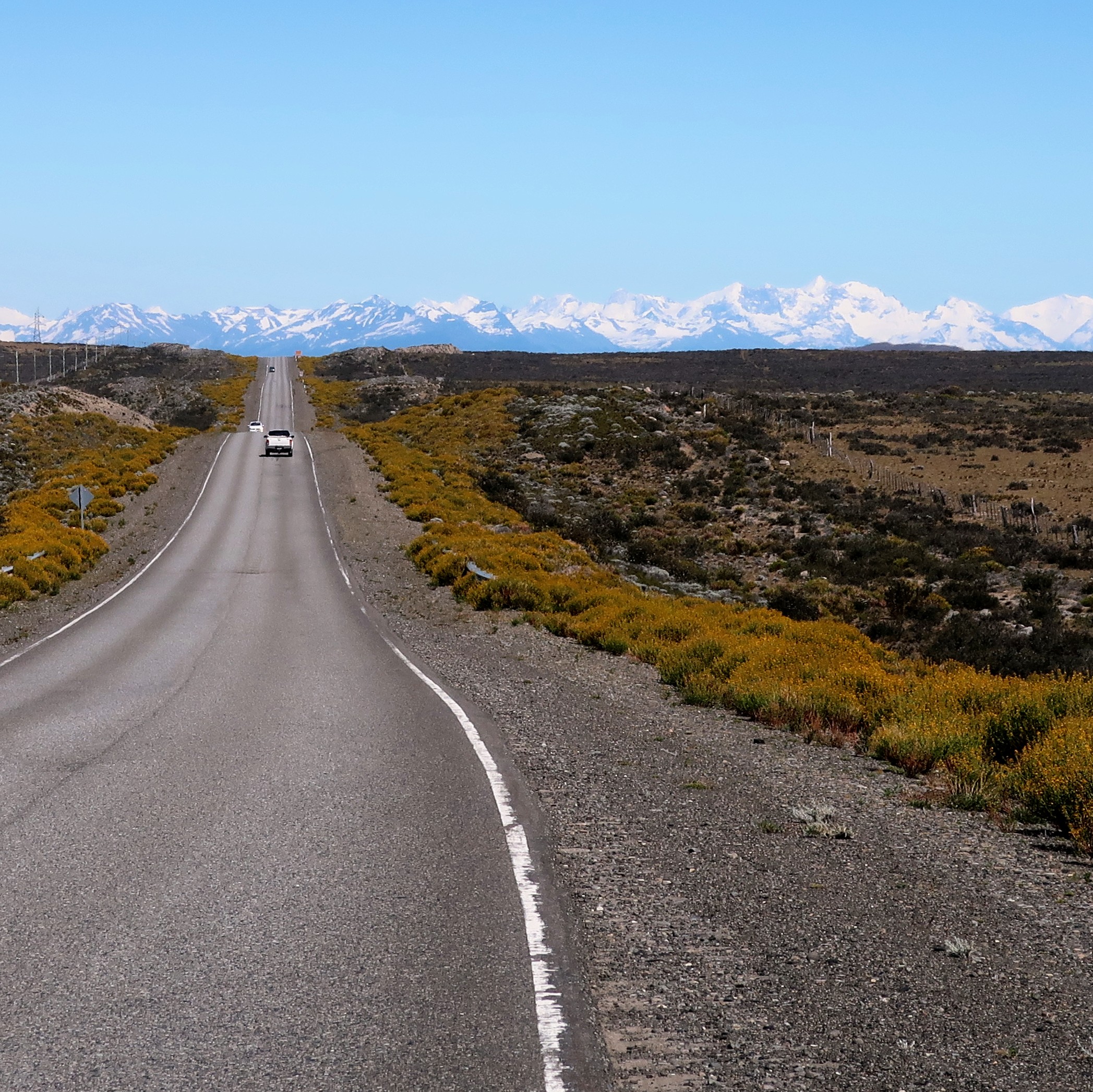
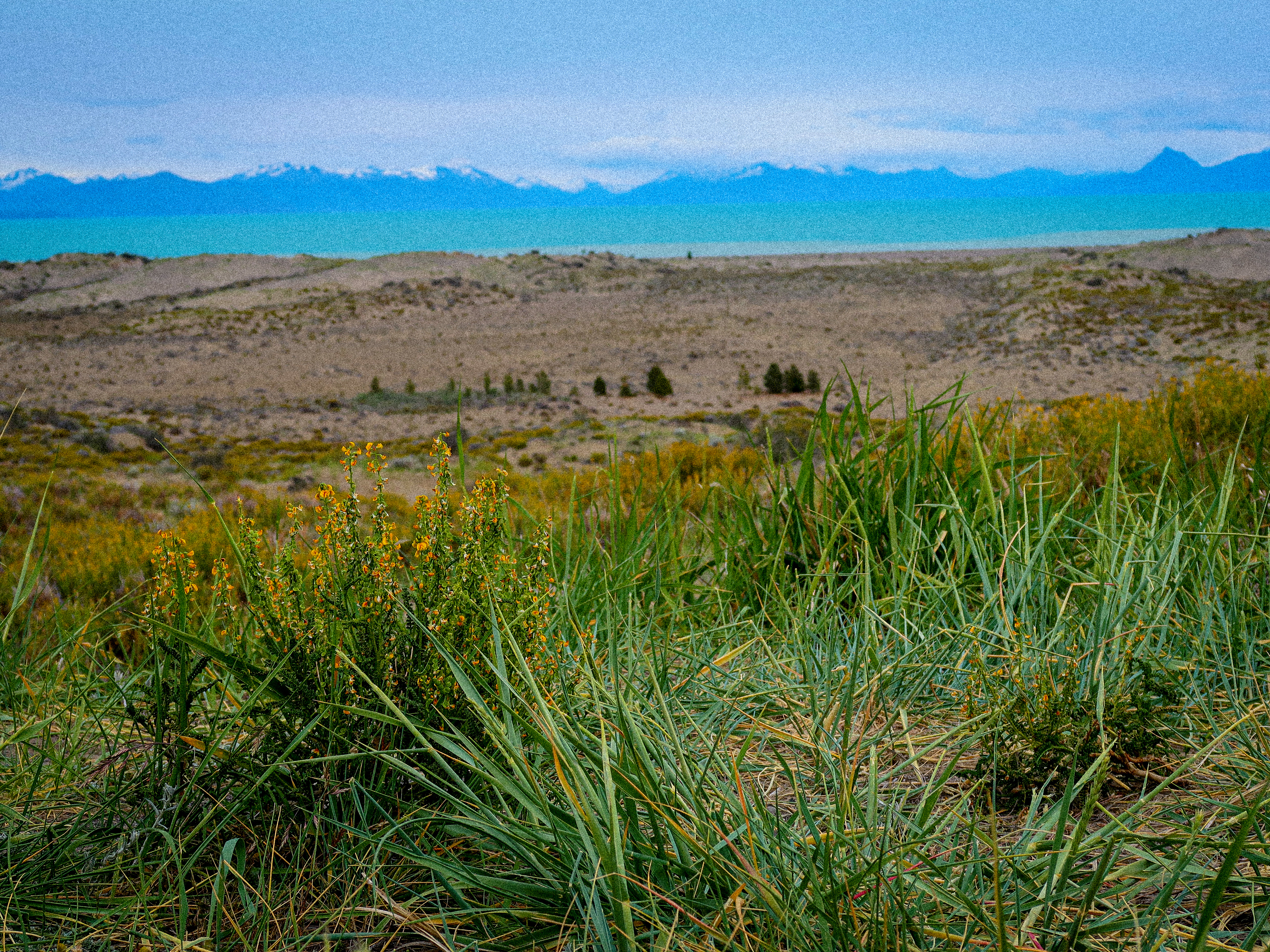
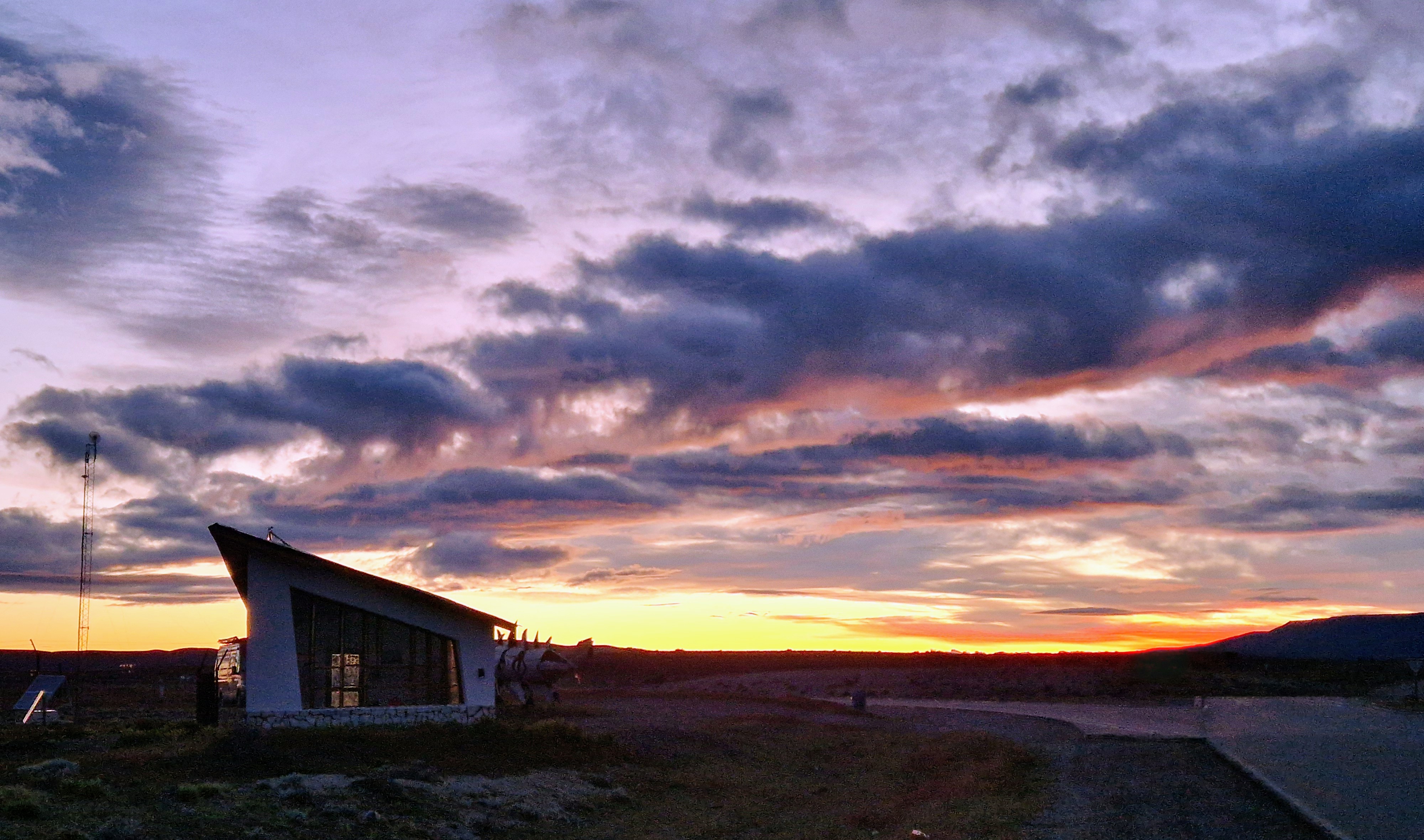
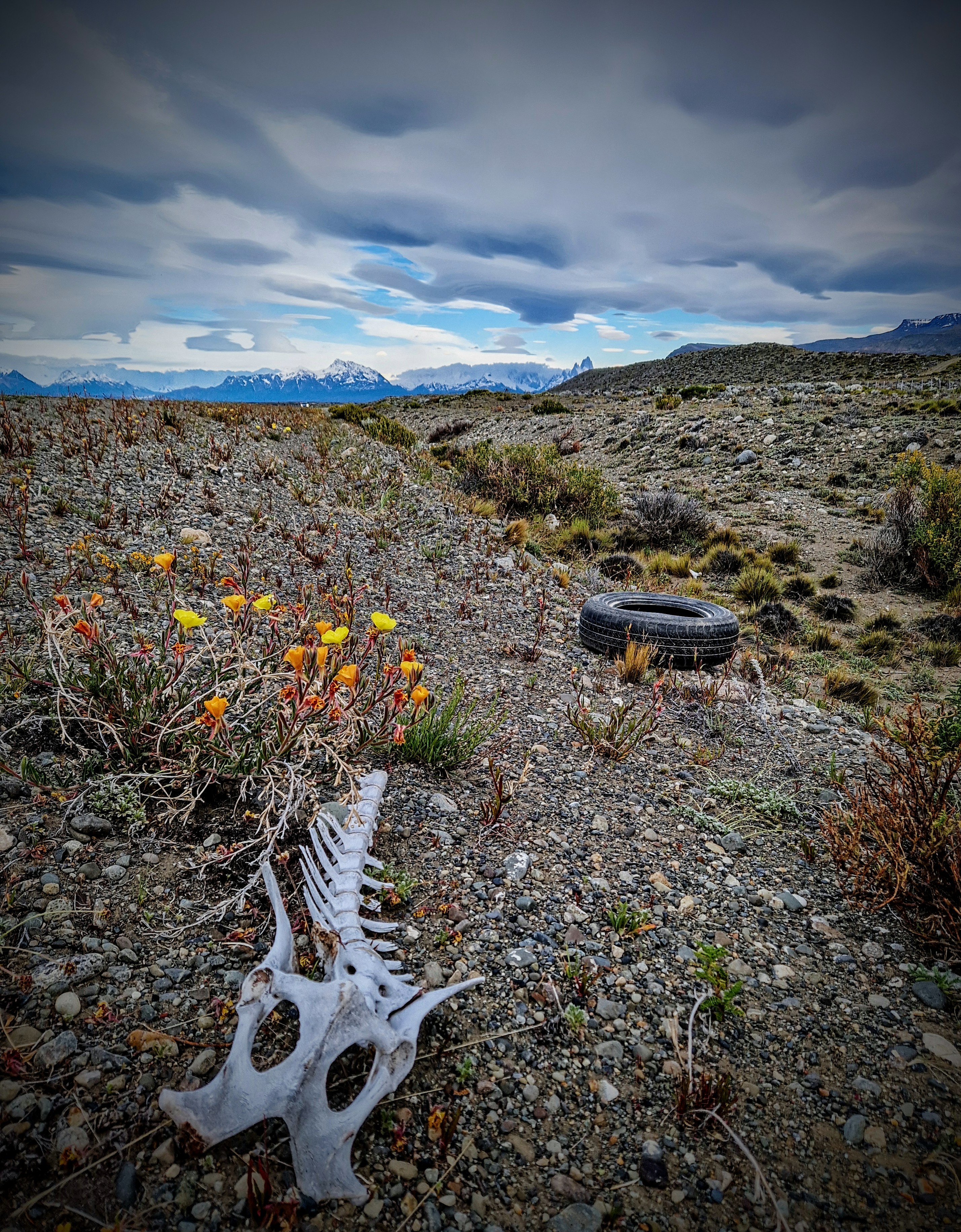
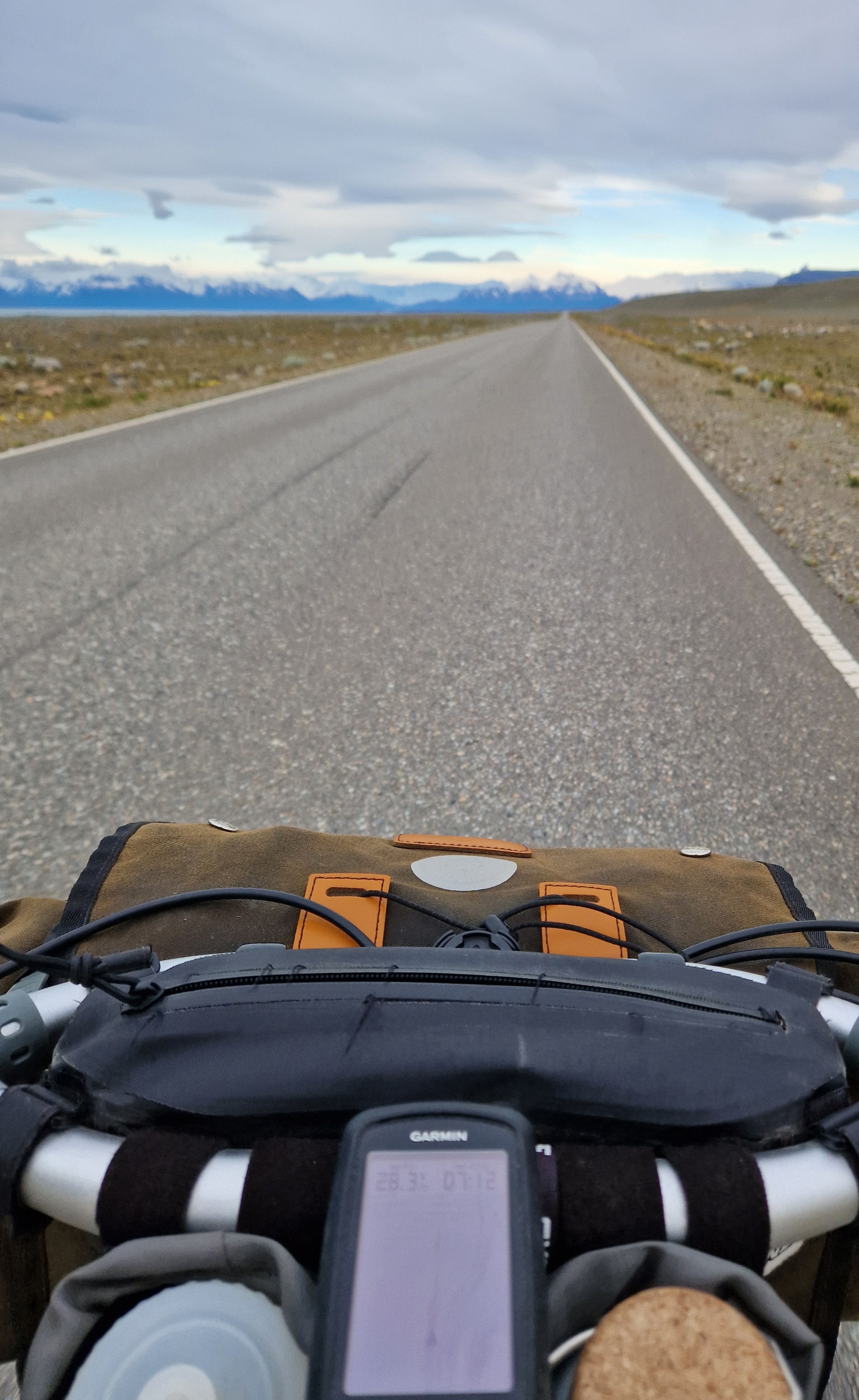
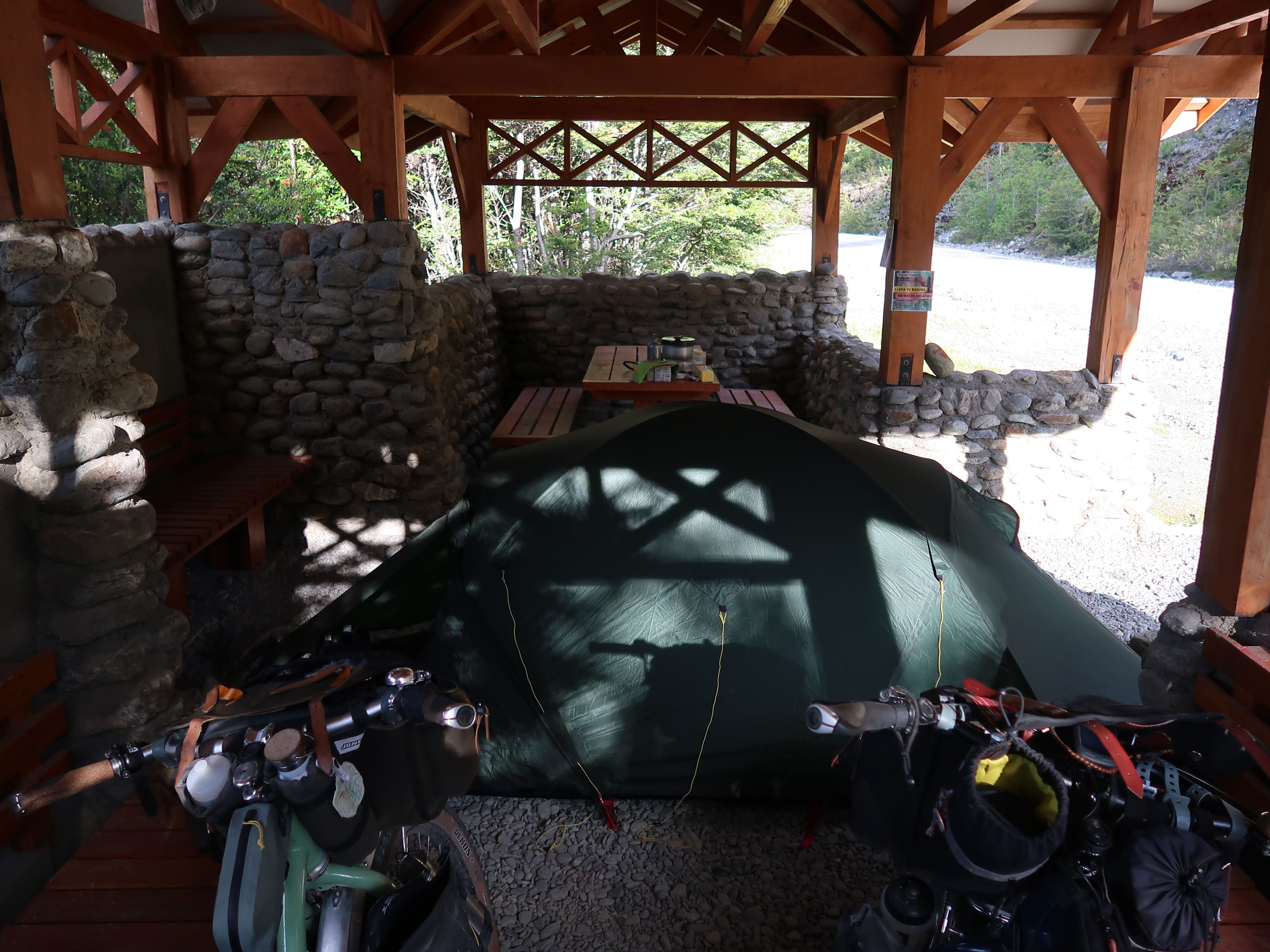
Heading towards the well-known tourist honey-pot of El Calafate there is a stretch of road through the pampa which crosses the border from Chile back into Argentina. It’s about 250km long, and it’s renowned for being fierceome if you get caught in bad winds. With us heading North this was pretty inevitable. Once you pass the small very expensive services at the Chilean border, you’re on your own for the duration – just us, huge expansive flat pampa, mirages and a few guanaco – other than the three AGVP posts. The AGVP posts are accomodation for road service workers and thankfully also offer cyclists water refills and a wall to shelter behind in your tent. It doesn’t sound like much, but it’s honestly a life saver (well definitely a tent saver!). We timed our crossing of this section by riding only when the wind was at its lowest. Unfortunately for us, this meant we were on the bikes riding before 5am three days in a row and had to cover around 100km by lunchtime each day to make sure we weren’t caught out in dangerous afternoon gails. Having experienced a taste of the head winds earlier in our trip, we didn’t want to repeat it, so the 4:00am alarm was the preferable option – And that’s saying something for Ted who hates mornings! But we will forever be grateful to the AGVP posts who offered us a little shelter from the winds overnight and in reality made the crossing of this 250km stretch feel much less lonely.
Oh hi there cycling community
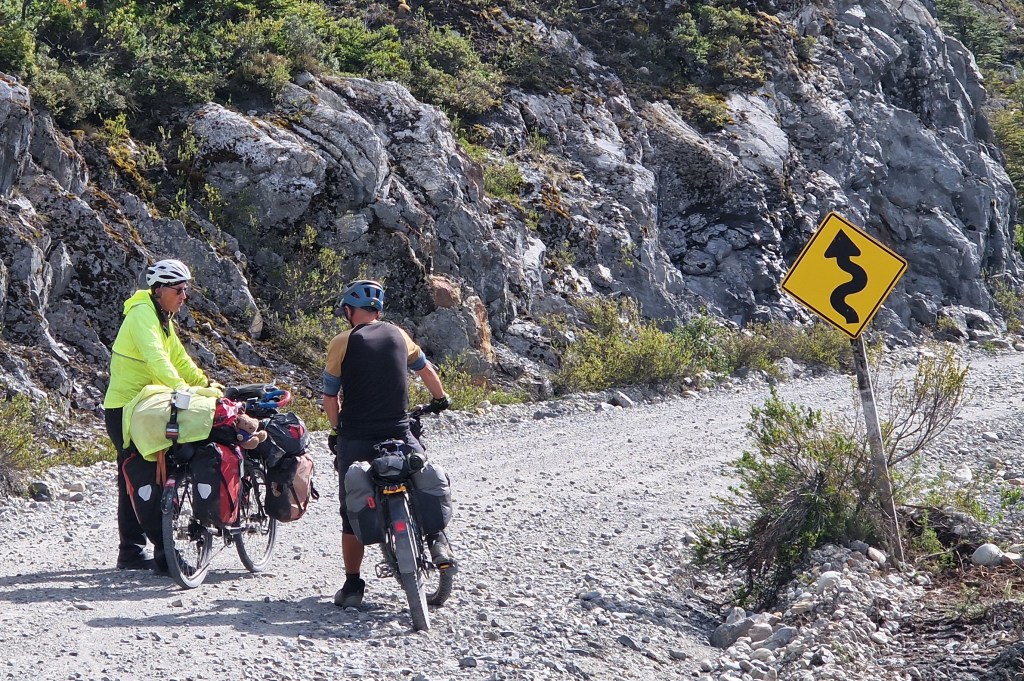
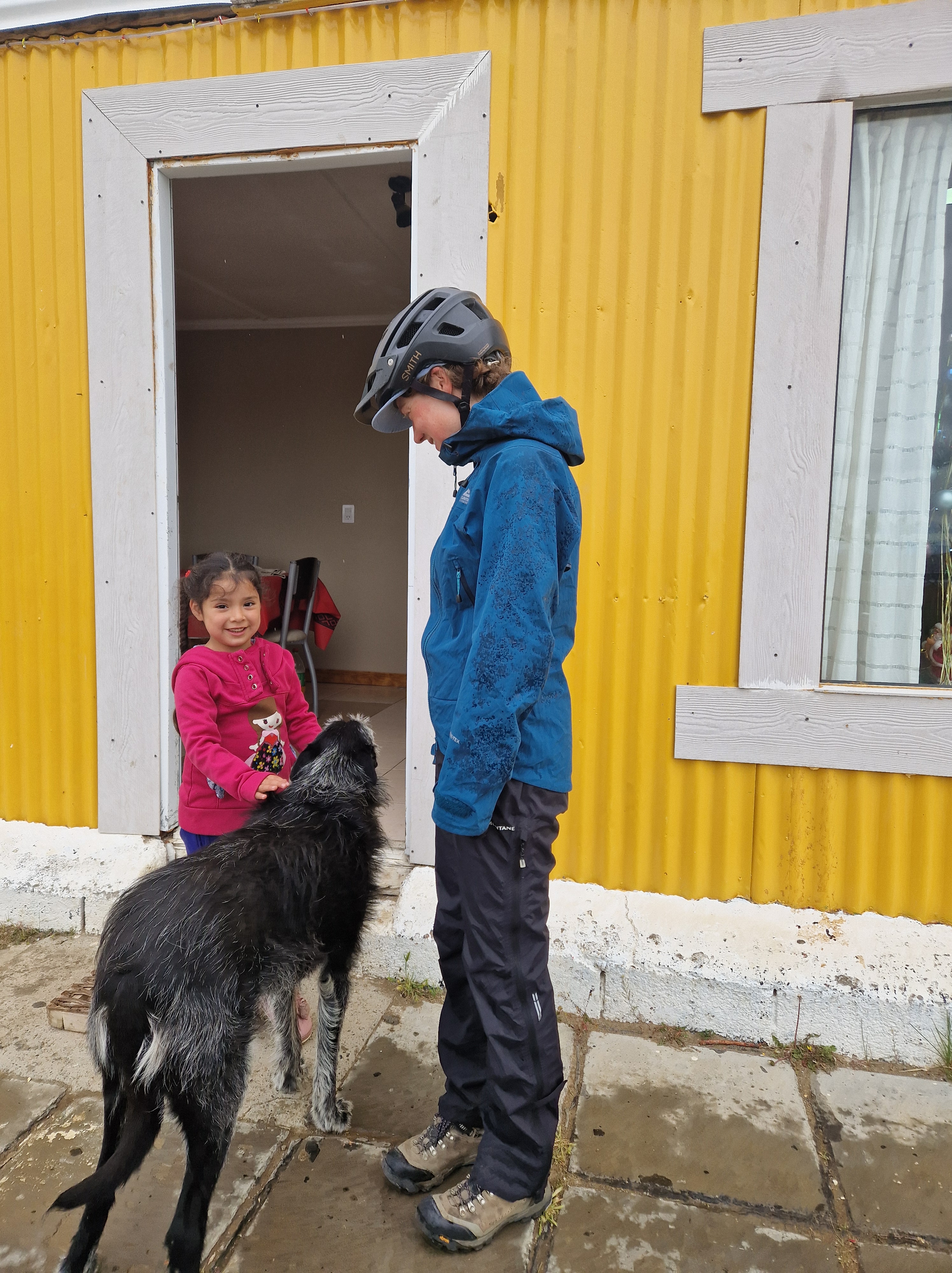
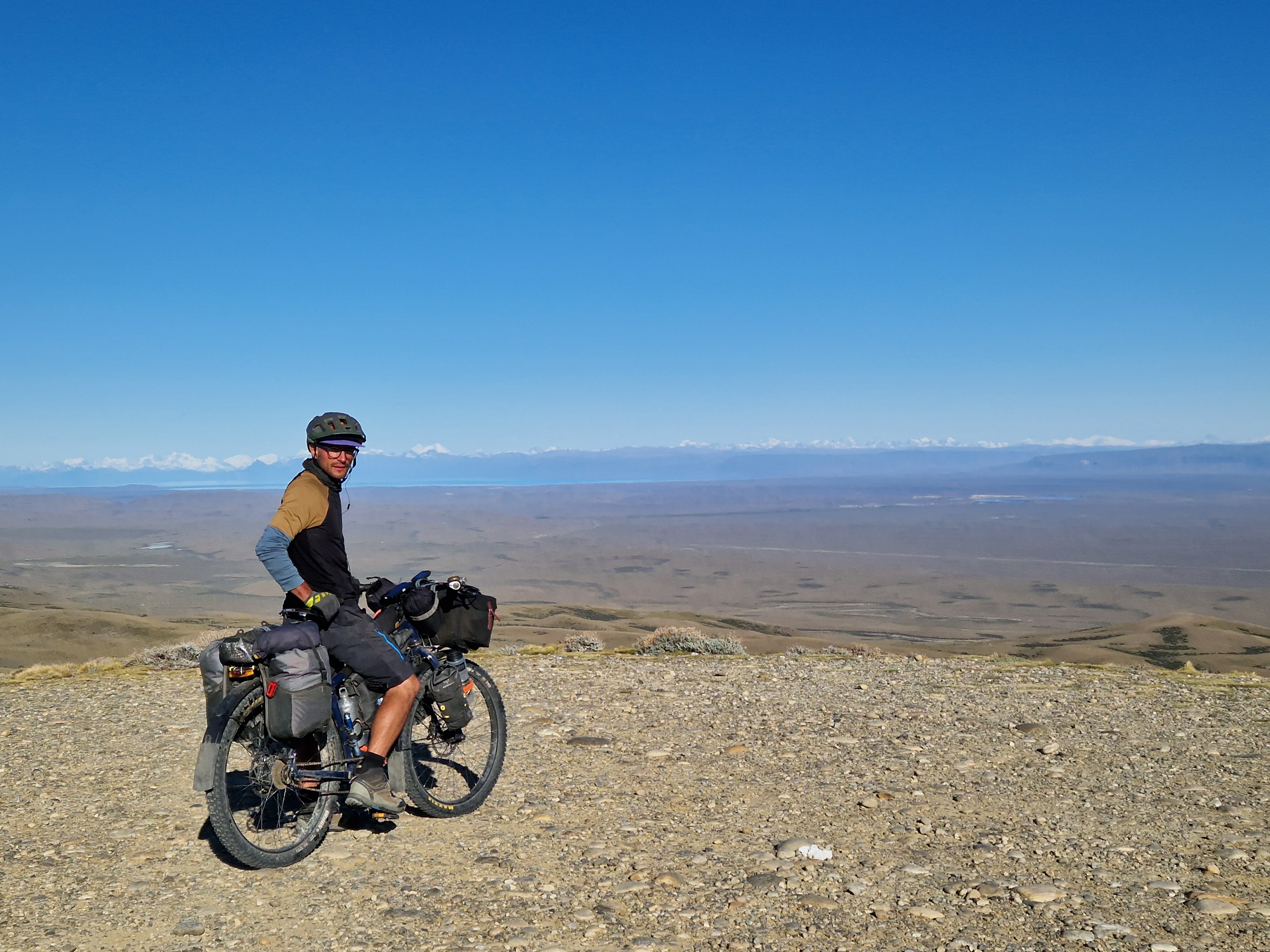
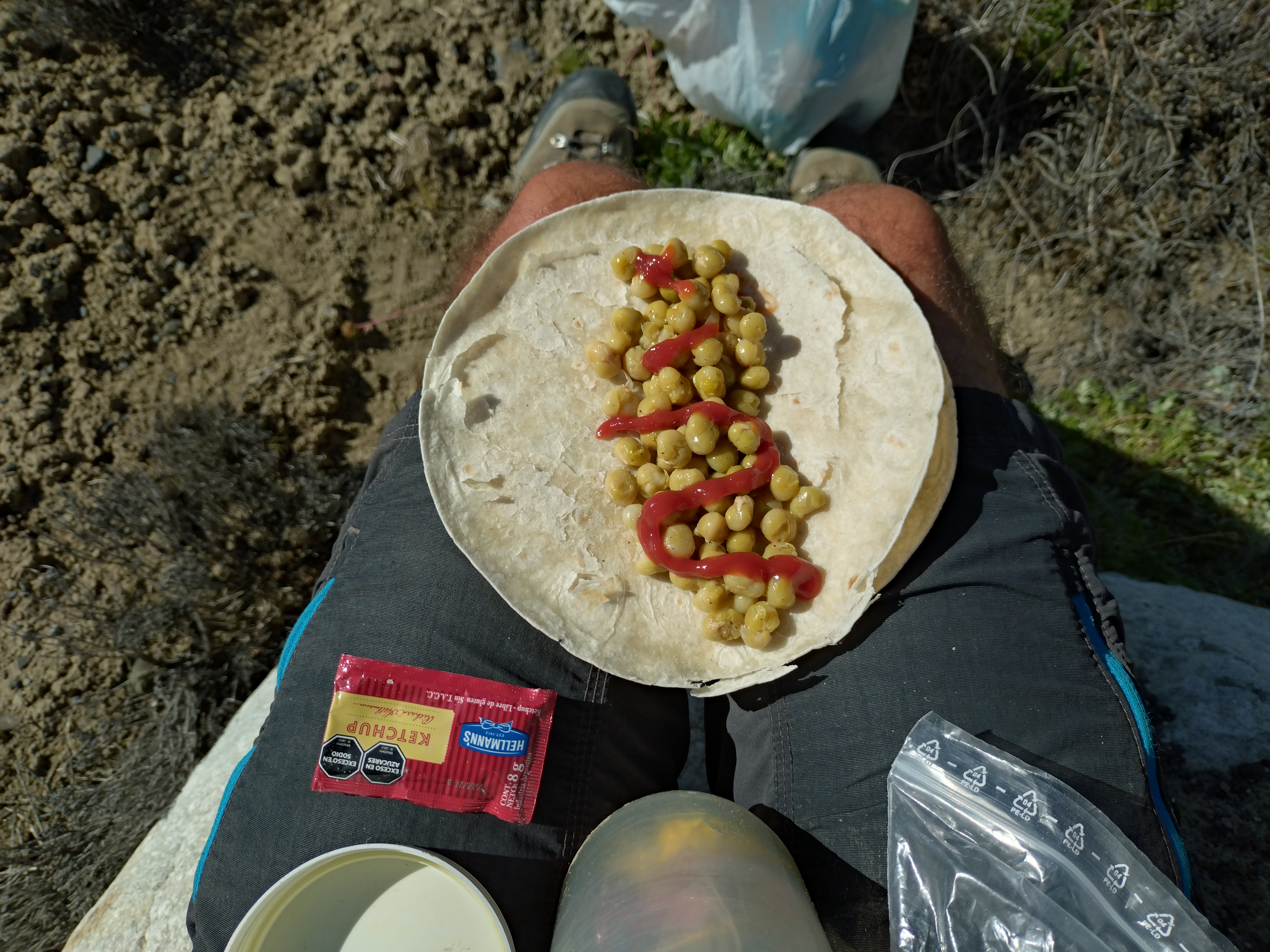
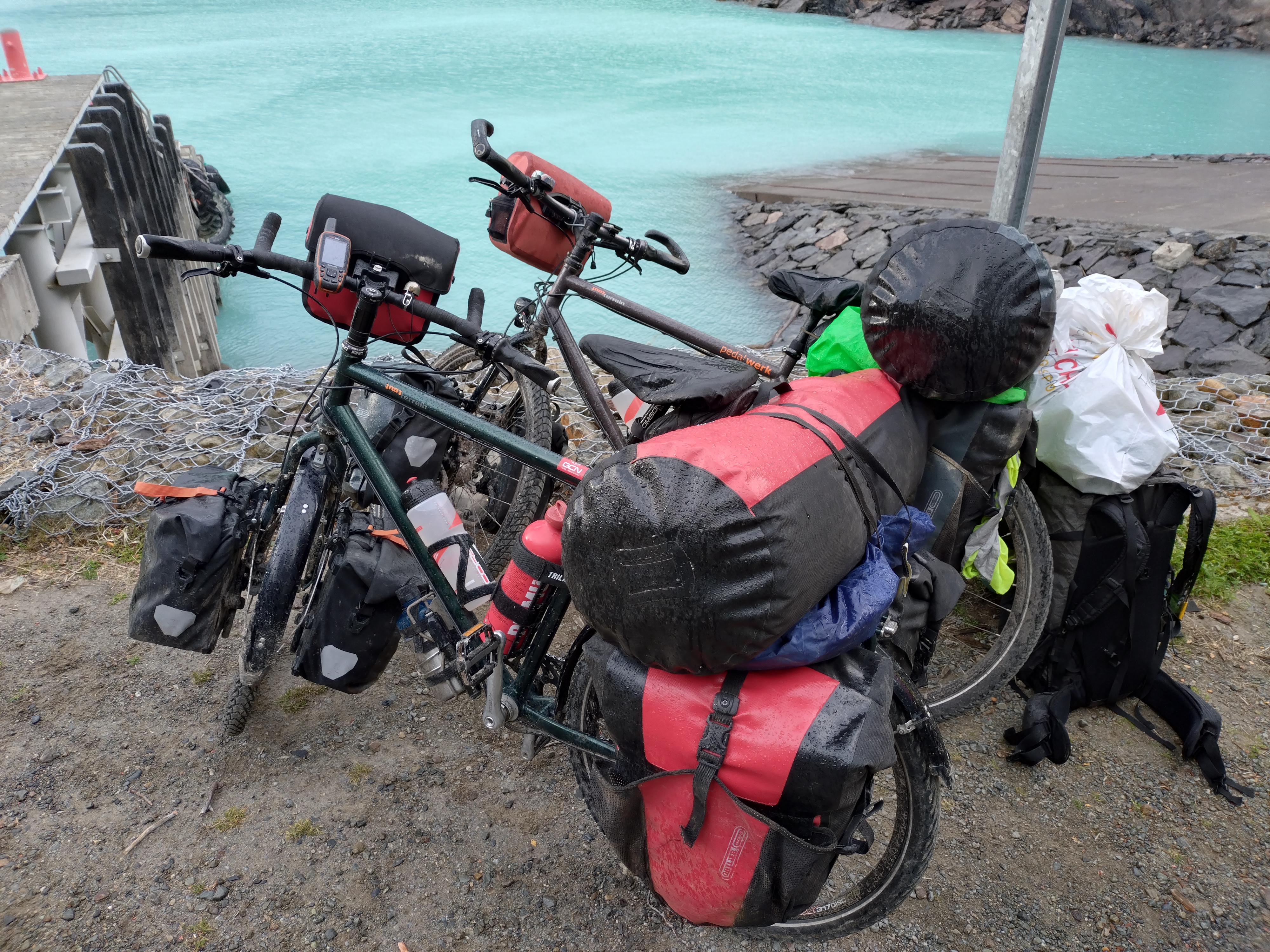
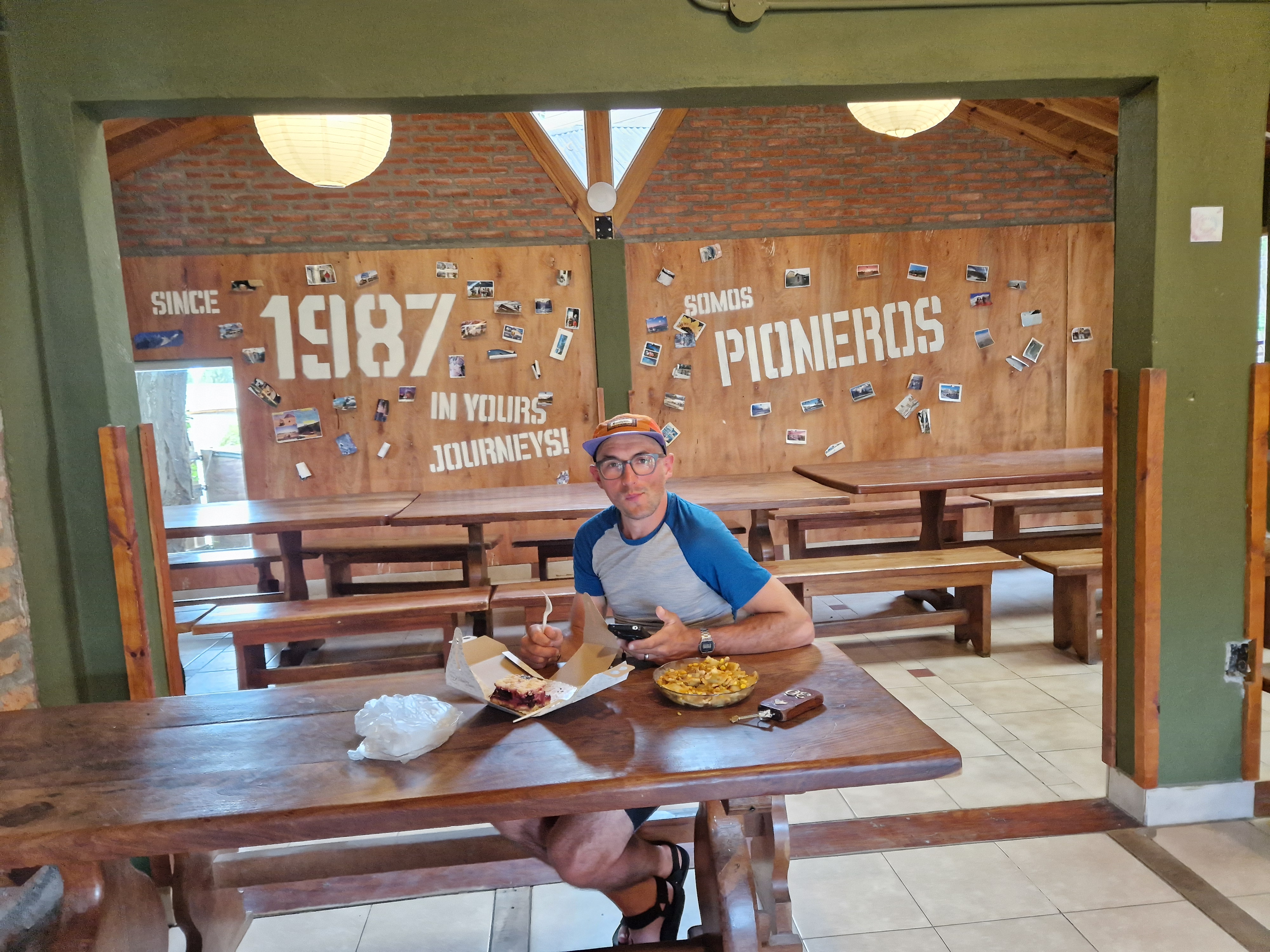
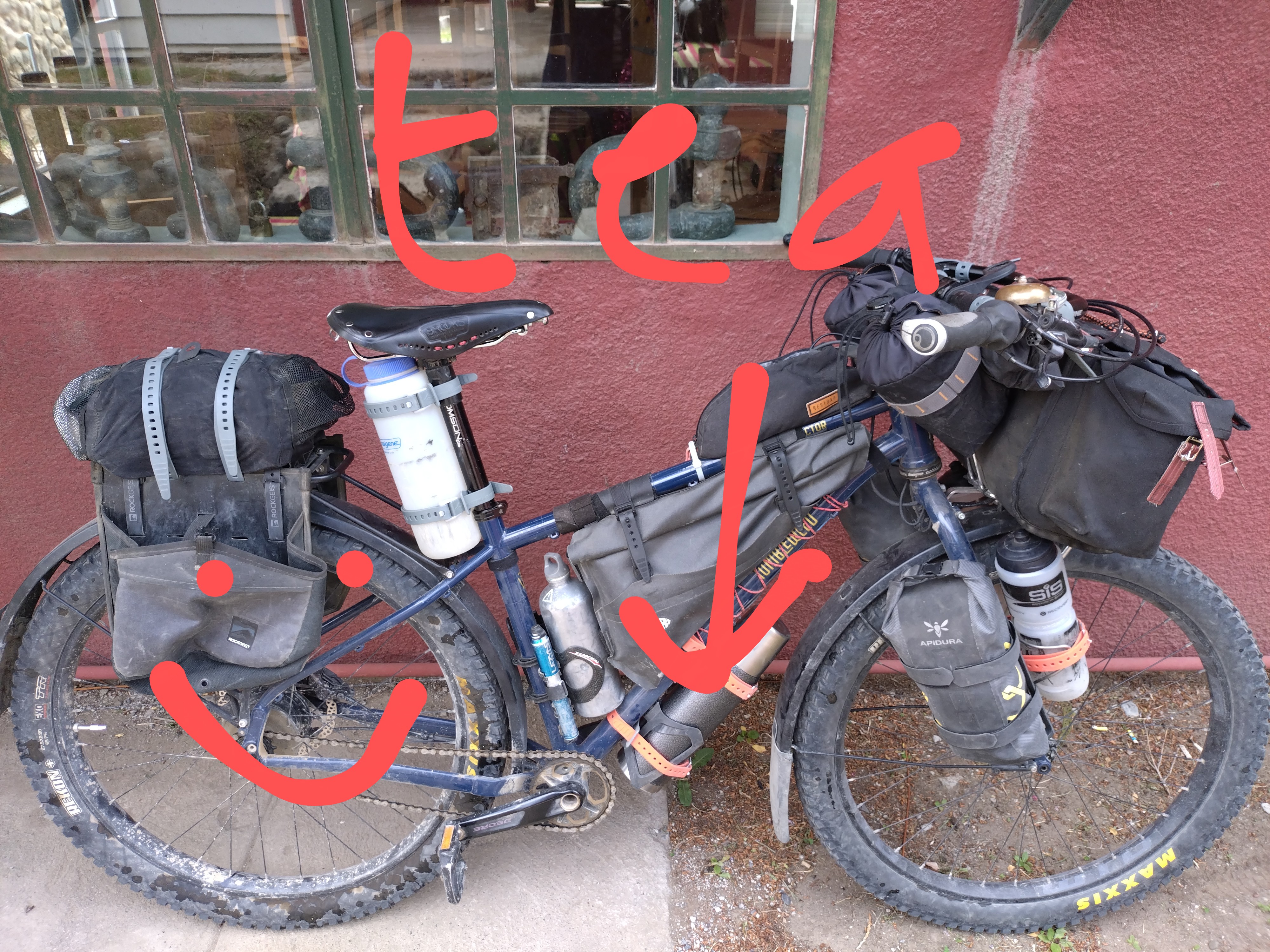
The lack of shelter along the roads through the pampa does have a few positives, the main one being that the little shelter there is becomes a small hub for cycle tourists, and it gave us our first experience of meeting other cyclists. Since then, we’ve gone on to meet many more. Despite Ted’s general dislike of people, it has been a true pleasure to meet all the other cyclists. With some we’ve just shared a short roadside moment of comradery, with some we’ve swapped stories and tales, with others we’ve benefitted from their experiences and learnt a little about what to expect as we head North, with others Ted’s helped fix bikes or mend broken parts, with some we’ve shared food together and with some we’ve already grown to become fast friends. But most of all, it’s great to know there are lots of other lovely folk out there travelling on bikes, all of whom are about as bonkers as us! Ted also geeked-out on all the gear talk and bike comparison, endlessly amazed by the different (and, in his eyes, obviously wrong!) approaches everyone chooses to make. There’s vast differences in the amount of luggage – what some people carry with them is truly mind-blowing (2 pairs of jeans, 3 stoves, 3 hard-drives, 2 phones, a laptop, a drone – but no brake pads! Or perhaps a jam pan, anyone!?!), and likewise what we think of as essential, others chose not to carry at all (the brake pads being a prime example!). Our bikes have about 50 Litres of luggage volume (including all food and water) and they are heavy. We’ve so far seen other bikes loaded with about 150 Litres of stuff – A heroic effort to move at all, let alone cycle across a continent, so hats off to them – but I think some would benefit from just posting a lot of stuff home!
Love/hate the 4:00am alarm
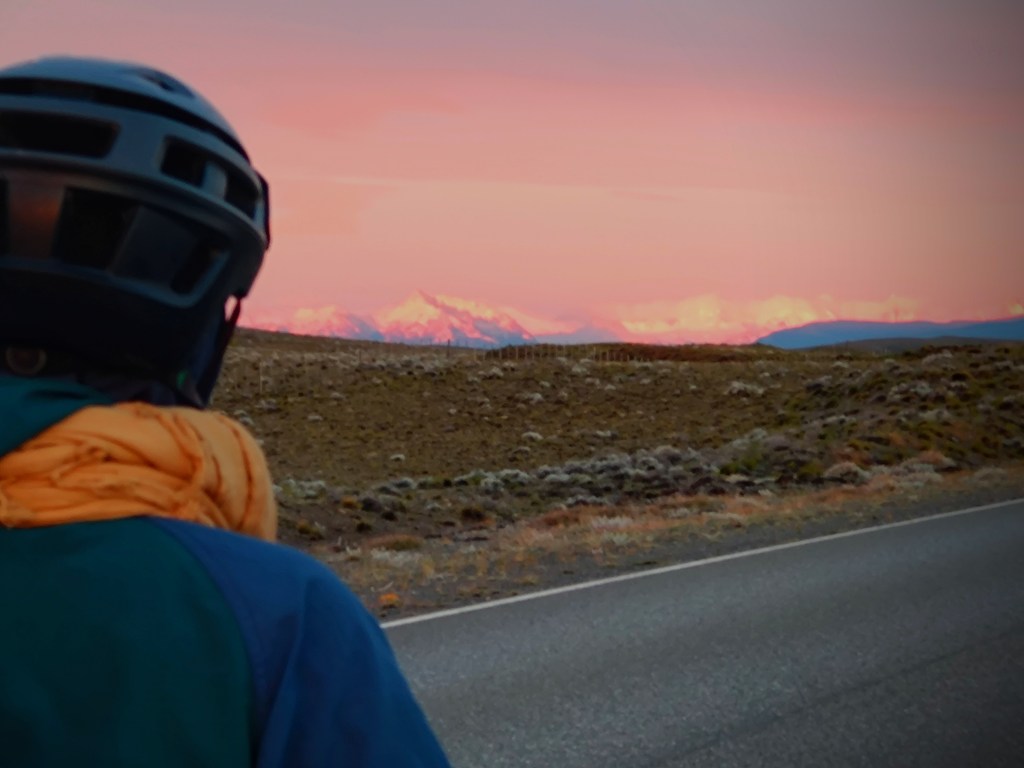
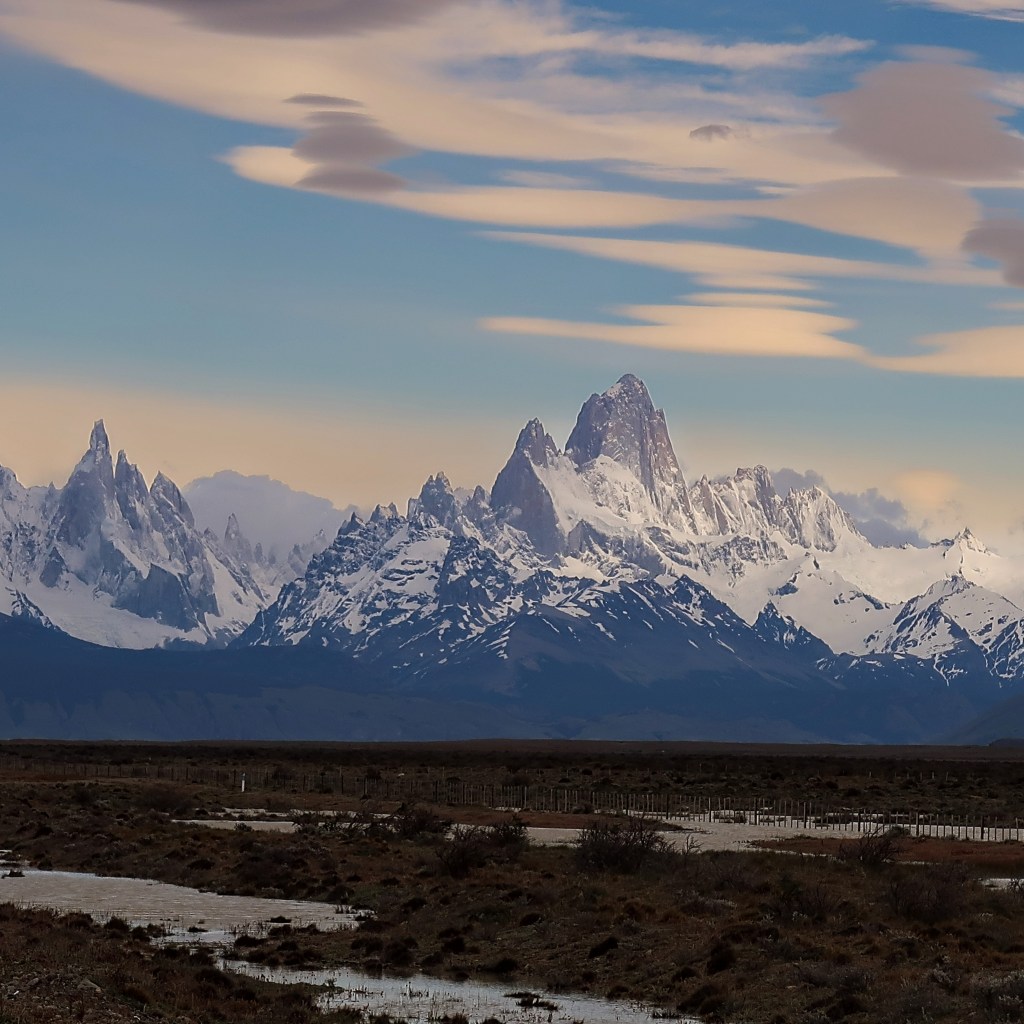
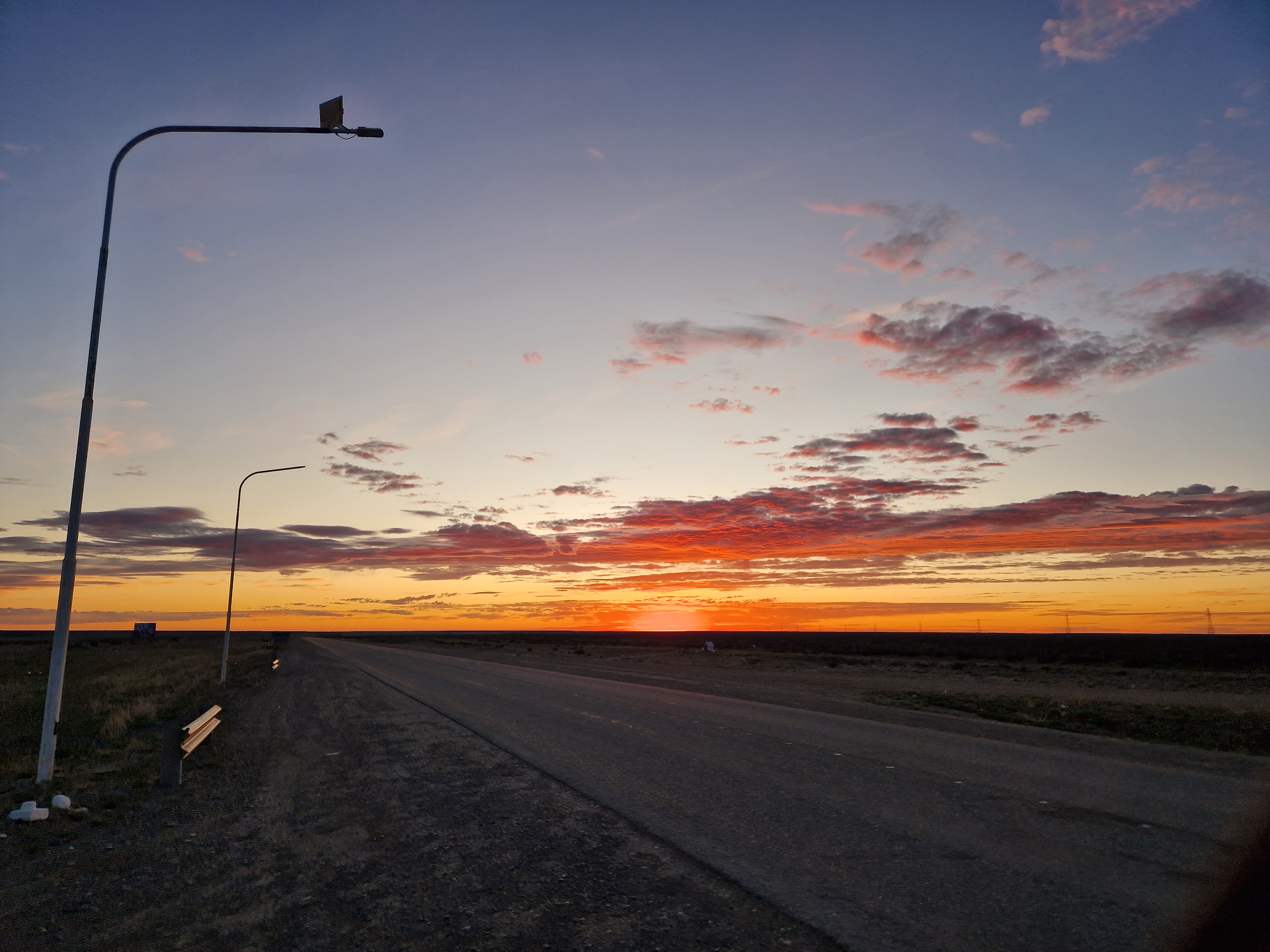
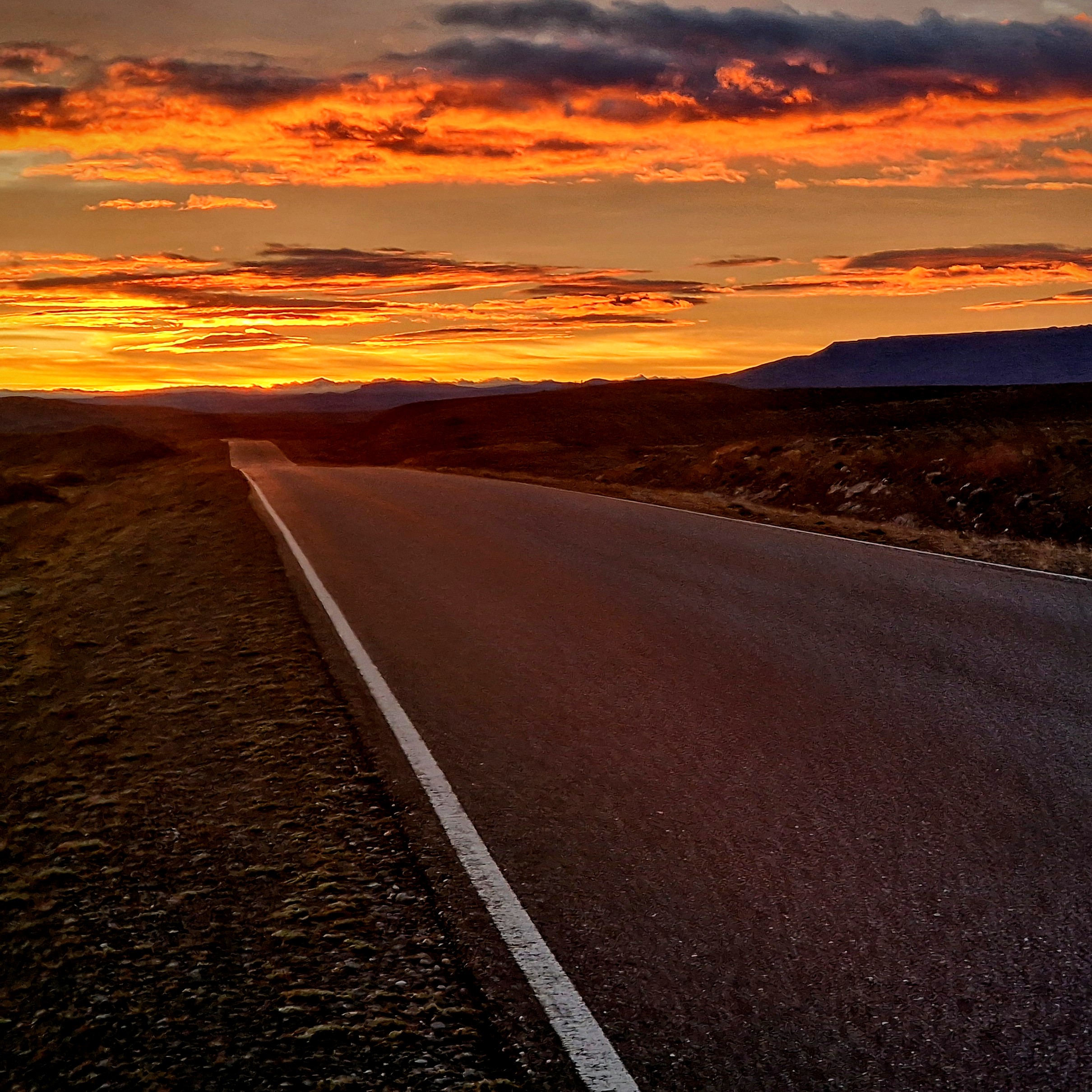
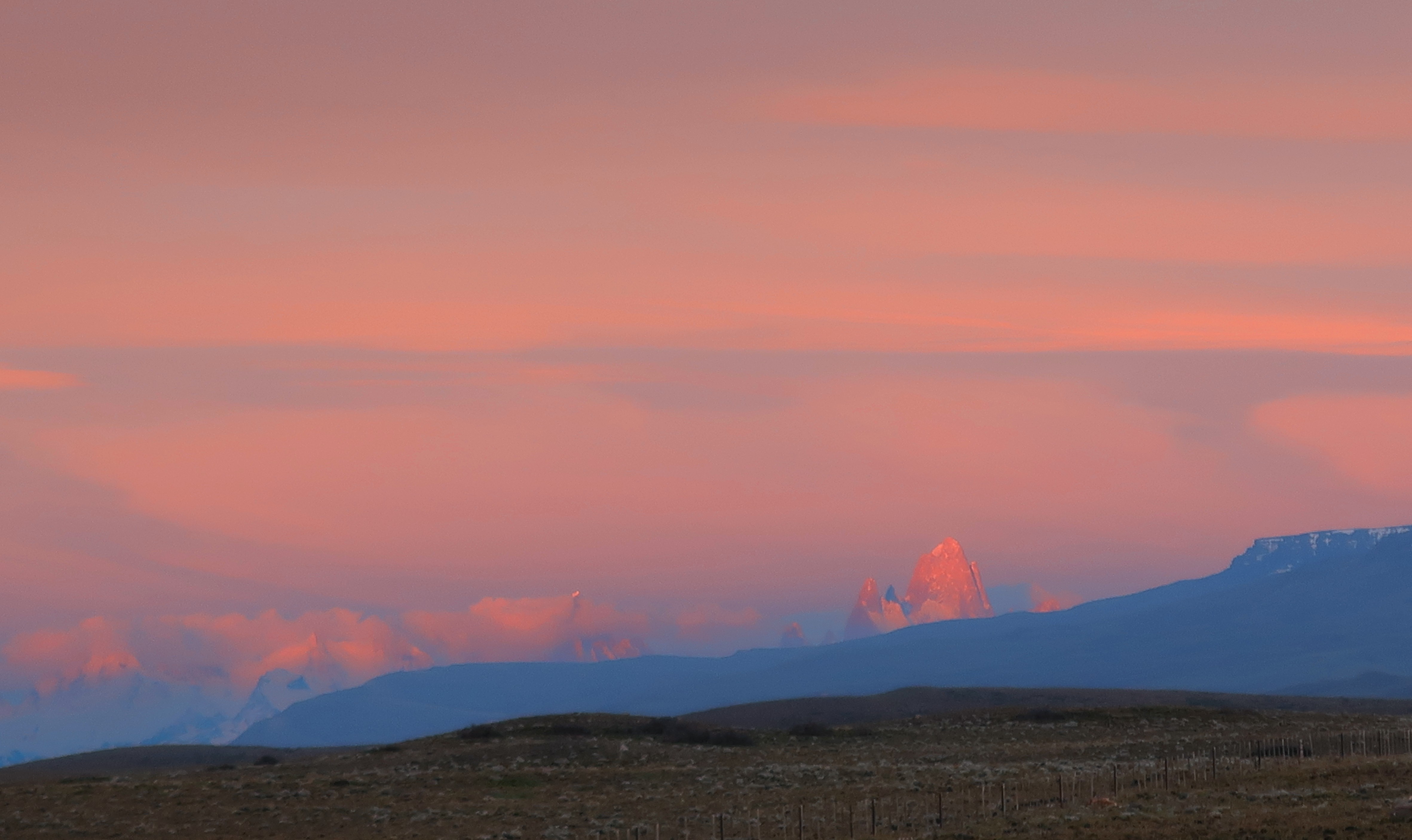
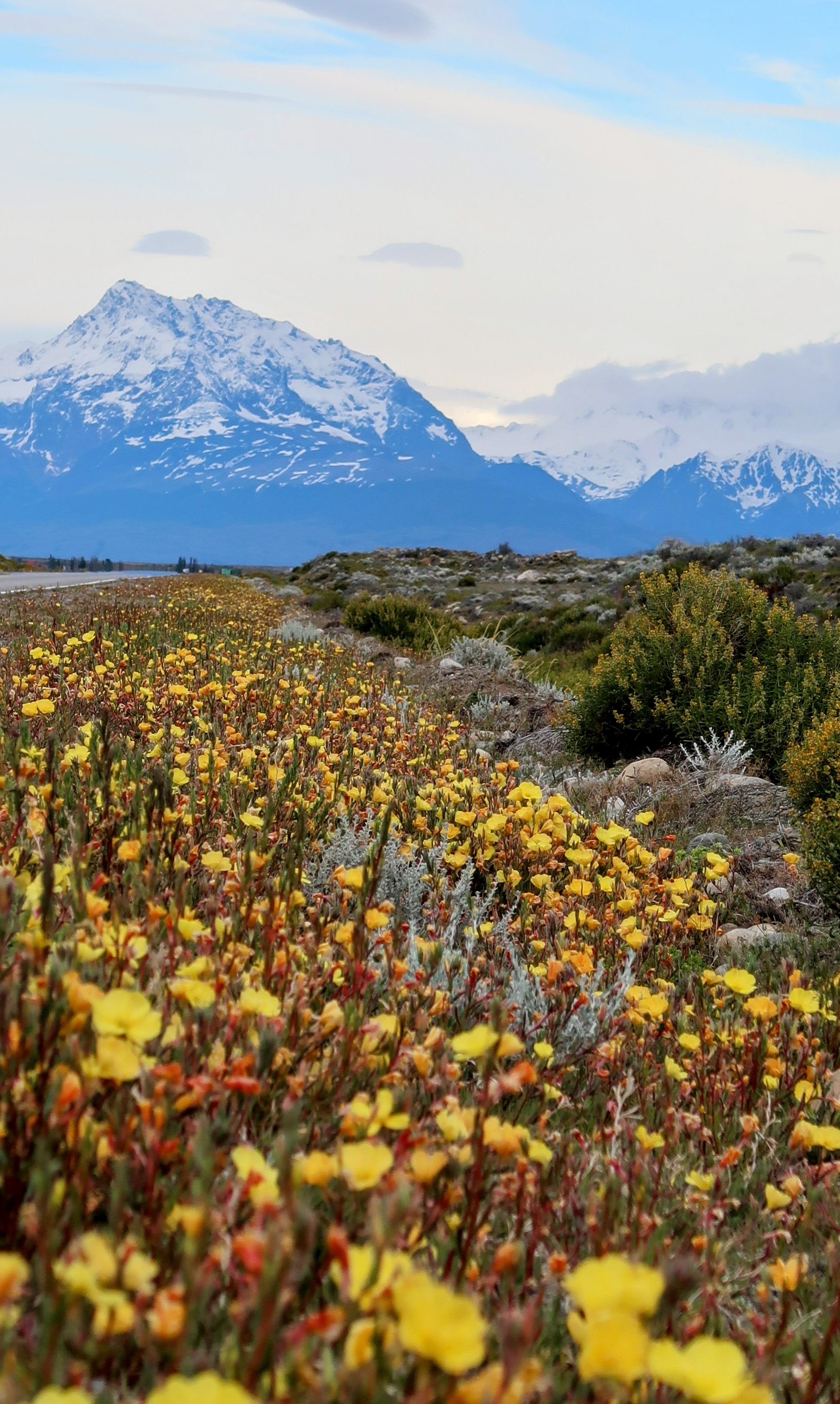
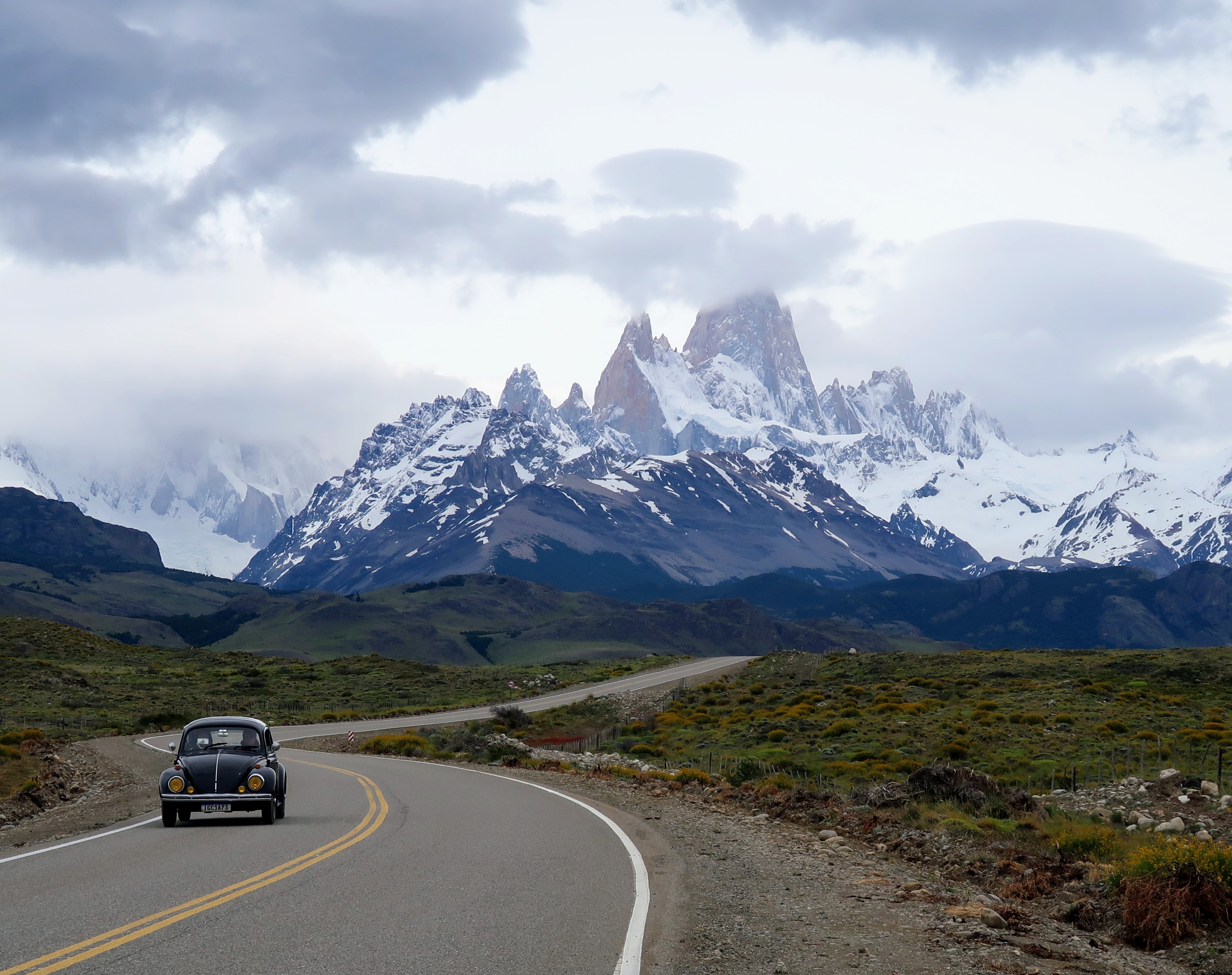
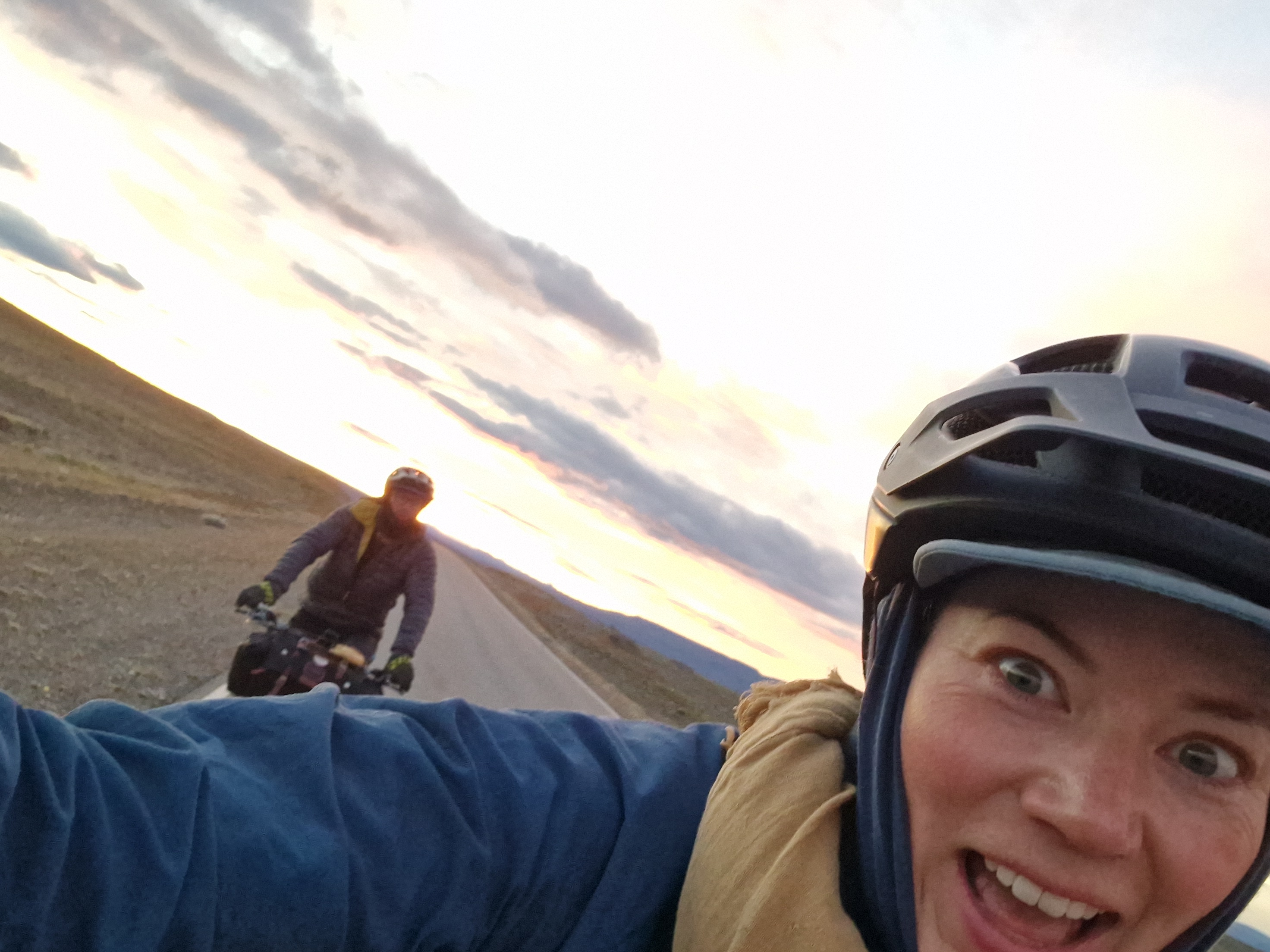
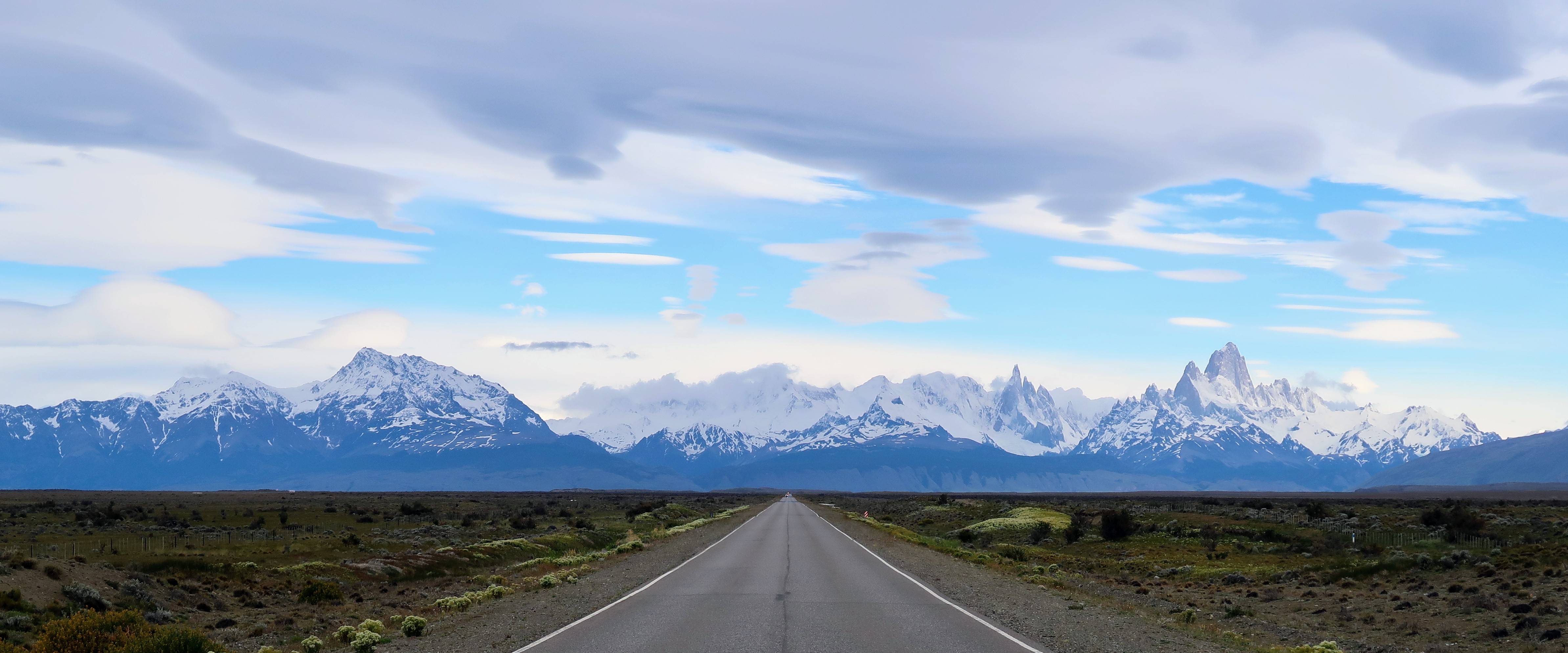
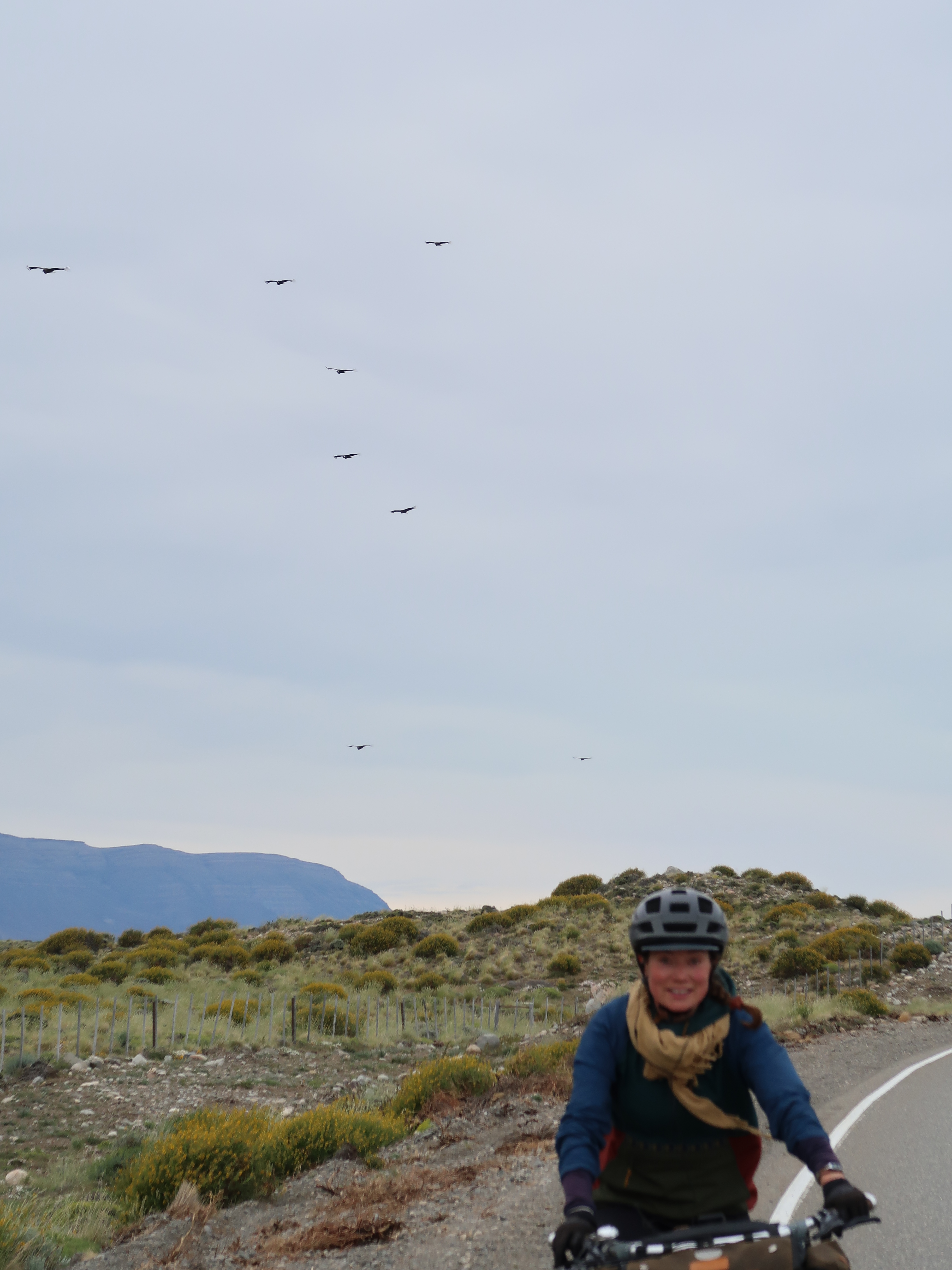
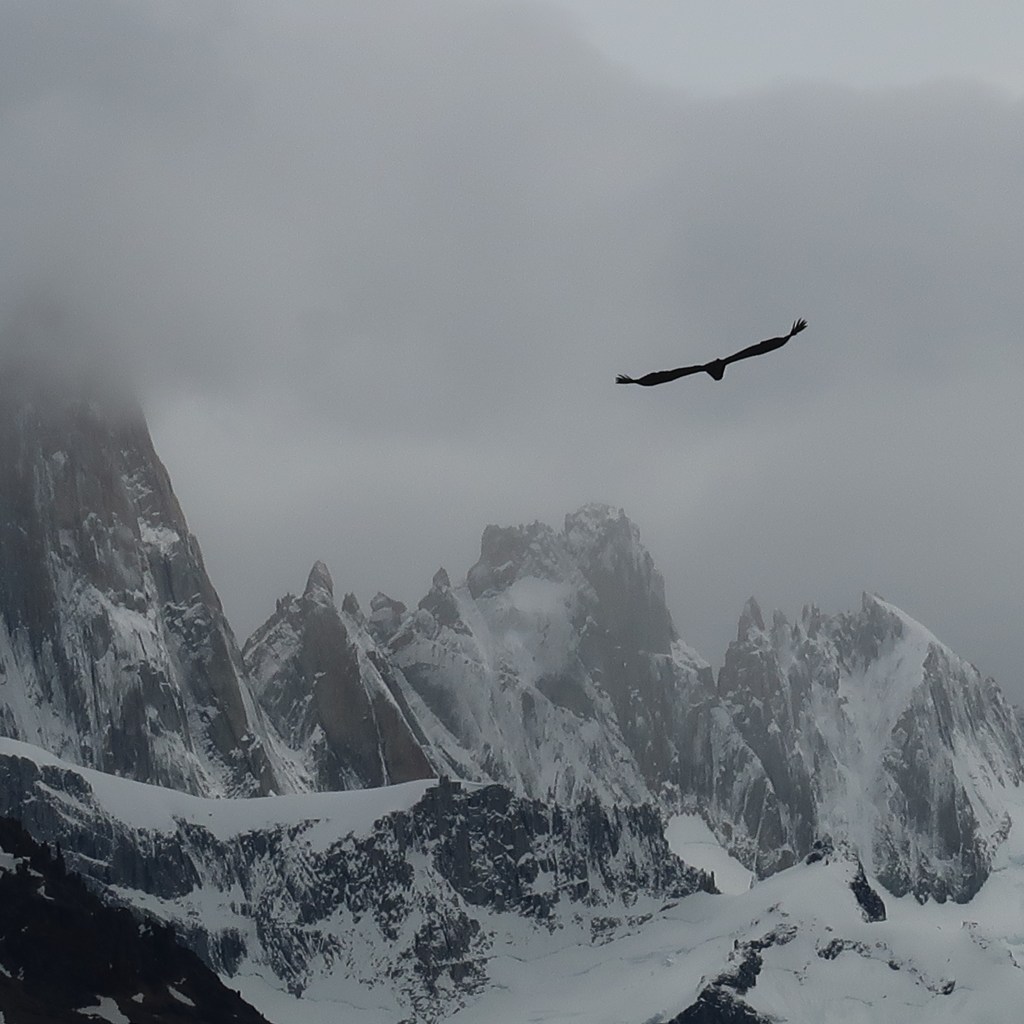
As I’ve already mentioned, we’ve had a few early starts to avoid the worst of the wind and it’s meant we’ve become acustomed to a 4:00am alarm. I mean, I love early mornings but even for me this is pushing it! That being said, once you’ve dusted the ice off your bike, put on all your layers and hit the road, watching the sun creep over the horizon and across these incredible Patagonian landscapes is a pretty special experience. The air is still and calm, everything is quiet, there’s no traffic and you often find yourself riding alongside the herds of guanaco who run with you for a little while before finally jumping the fence. One morning that will be etched in my memory forever was our approach to El Chalten and the Los Glaciers National Park. The road directly faces the famous mountain range of Fitz Roy, unusually the whole skyline was clear of low lying cloud and as the sun rose over the horizon behind us, it cast a golden pink glowing light onto the mountain top of Fitz Roy, turning it into a burning glow, the light spreading to each individual mountain top in turn and as the sun grew higher the golden light crept a little lower down each mountain side until they were all glowing golden pink. But no more than 5 minutes later it was gone, the golden dawn glow had faded to a warm white, almost as though we had imagined the whole thing. The rest of the day riding to El Chalten continued to provide incredible views of mountains and glacial lakes with icebergs. We also enjoyed the experience of watching a group of huge condors catch the thermals and soar overhead, one after another, all in line like giant planes coming in to land on a runway. But it’s the memory of that dawn pink sky on Fitz Roy that we’ve both said we’ll treasure the most, so we’ve learnt to love that 4am start just a little more.
El Chalten, a comedy of errors (with more tears than laughter at the time!)
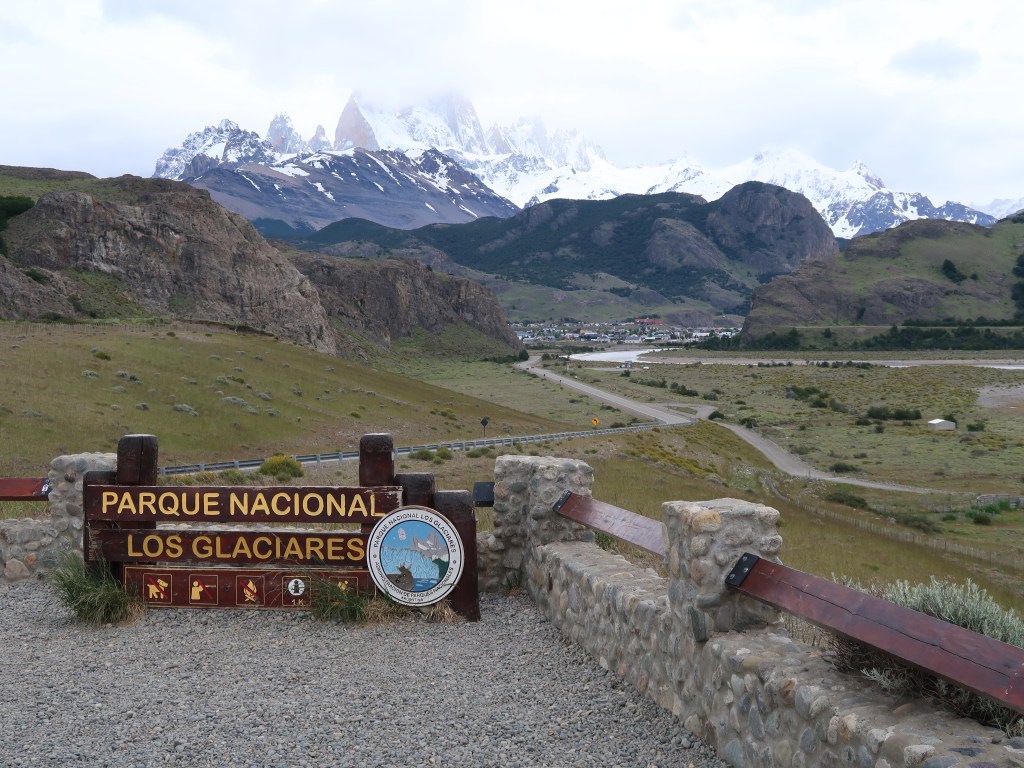
Despite our incredible approach to El Chalten that I’ve just mentioned, our time in the town definitely falls into the ‘ugly’ category of the good, the bad and the ugly. About 12 hours after having watched the sunrise over Fitz Roy we finally made it to the town (a long ol’ day) and we were shattered, and probably more hangry than we cared to admit. We had planned to stay a couple of nights and have a rest day to catch up on some much needed sleep, but on arriving in town we struggled to find any accommodation that was within our budget and had availability. After 2 hours of cycling around town, we managed to find a very grotty hostel that had a room free within our price range so we reluctantly took it. The next stop for us was the cash machine – as the hostel wanted paying in cash – but after a couple of attempts to get money out, and speaking to some other tourists, it became clear the one cash machine in town had run out of money! (Apparently it’s a pretty frequent occurrence due to the towns remote location, huge number of tourists, and crazy Argentinian inflation!) We did, however, have some money we could exchange, and on our way to do that we passed by the ferry boat office so stopped in to enquire about ferry times. The next section of our journey would involve a ferry over Lago Desertio, then crossing the Argentinan border, then a hike-a-bike, then a gravel track, then entering Chile and finally another ferry to Villa O’Higgins in Chile. We knew the second boat crossing didn’t run everyday, but having worked out timings we were still optimistic we could fit in a much needed rest day in El Chalten. Sadly this wasn’t to be. The first ferry wasn’t running on the day we thought, which meant we had to catch it the following morning. This will work, Ted optimistically said to me in the ferry ticket office. Then the guy mentioned that the ferry leaves at 10am from the dock 40km out of town (uphill, along an unpaved gravel road) we still optimistically looked at one another and said we can do it – its only 40km, right!?! So we bought our tickets and then set about thinking about food, water, route for the next few days (that we were planning to do on our rest day). A quick stop at the supermarket, including the obligatory worry that we were buying way too much, and we were back at the grotty hostel to try and repack the bikes with a few days supplies (which always feels like a struggle). By 9pm we still hadn’t eaten or taken a shower and I think we finally got to bed around midnight – by which point the hostel had become loud with the noise of other guests and resetting the alarm for 4am again really wasn’t fun any more!
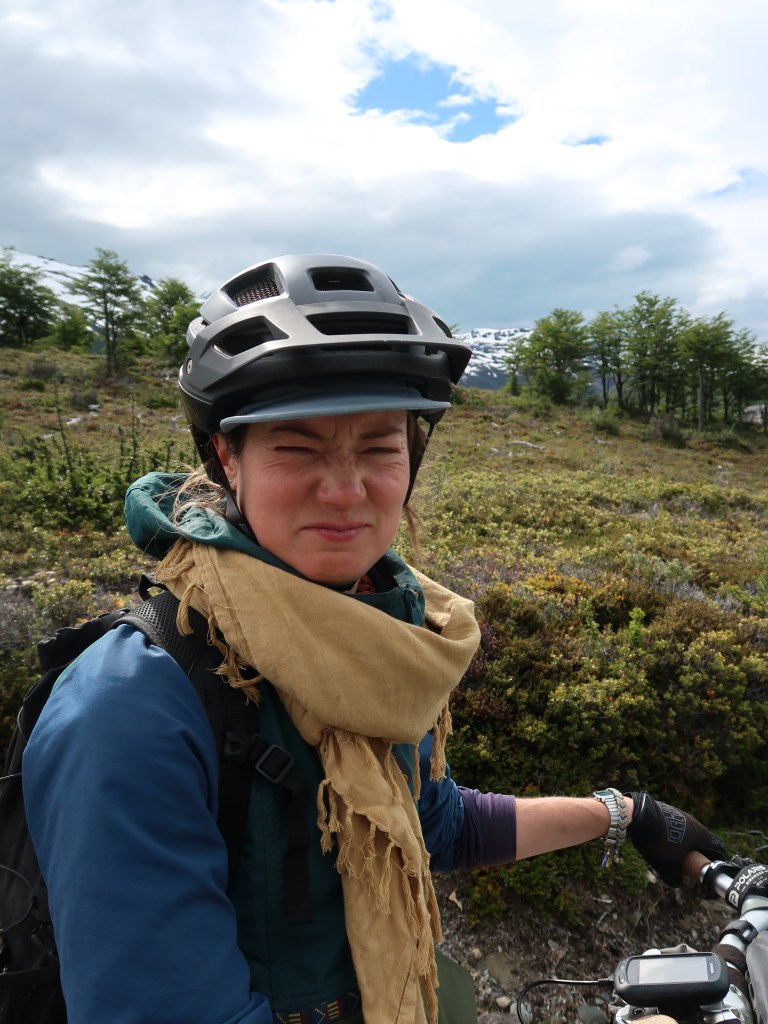
After a few hours of broken sleep in the noisy, grotty hostel we set off, blurry eyed and with foggy heads towards the boat dock. It was raining. There was a really strong headwind. It was uphill. The ‘gravel road’ was more like an off-road 4×4 track. It was just after 5:30am. I felt like I was racing the clock. It was like some tortuous endurance bike race where the only prize was getting on the boat we had paid £50 each for. I was not a happy bunny!! I was questioning my life choices. I was hugely cursing our decision to get on this flippin boat – surely there was a boat next week we could have got instead!? and surely we could have found some more cash somewhere!?! But after three hours of head down pedalling, tired tears merging with the rain on my face, battling the weather and fighting my own internal voice as I sweated away inside my waterproofs feeling like boil-in-the-bag rice – we made it. Even had time to spare (after all that!) so after a cup of tea and my favourite pick-me-up snack of apple and peanut butter, all was right with the world again! It was a shame our time in El Chalten was probably less than 12 hours in total, but in the end it was the right decision for us, as it meant we’ve been able to enjoy rest days in other places – and not in the grotty hostel!
The infamous hike-a-bike
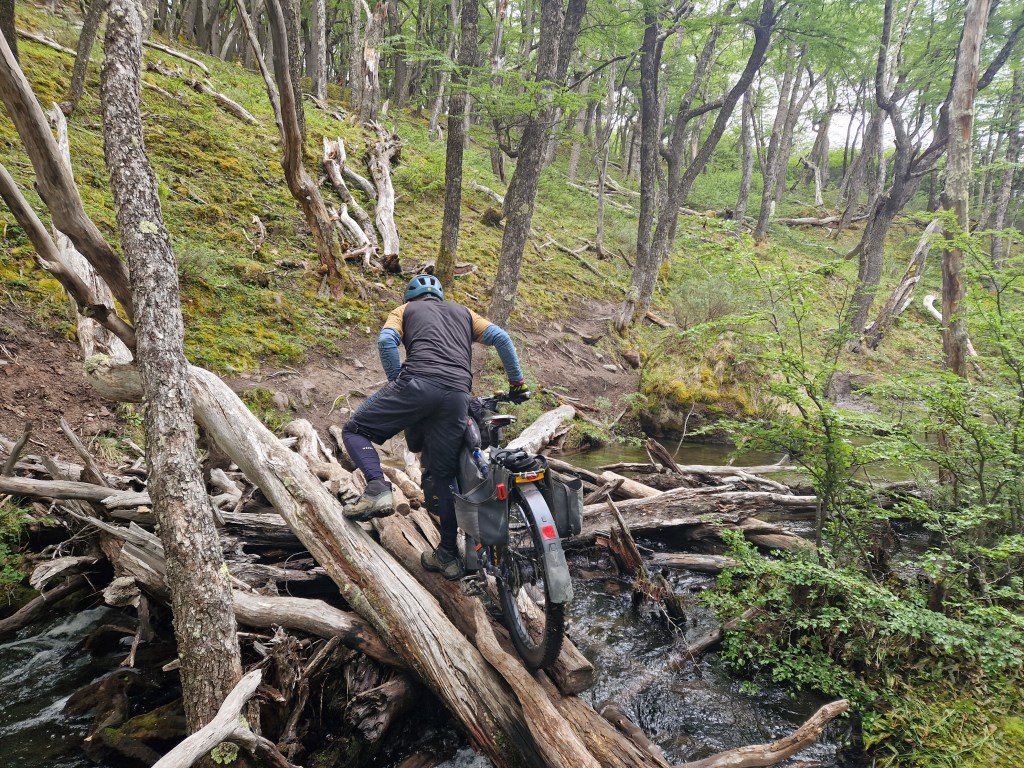
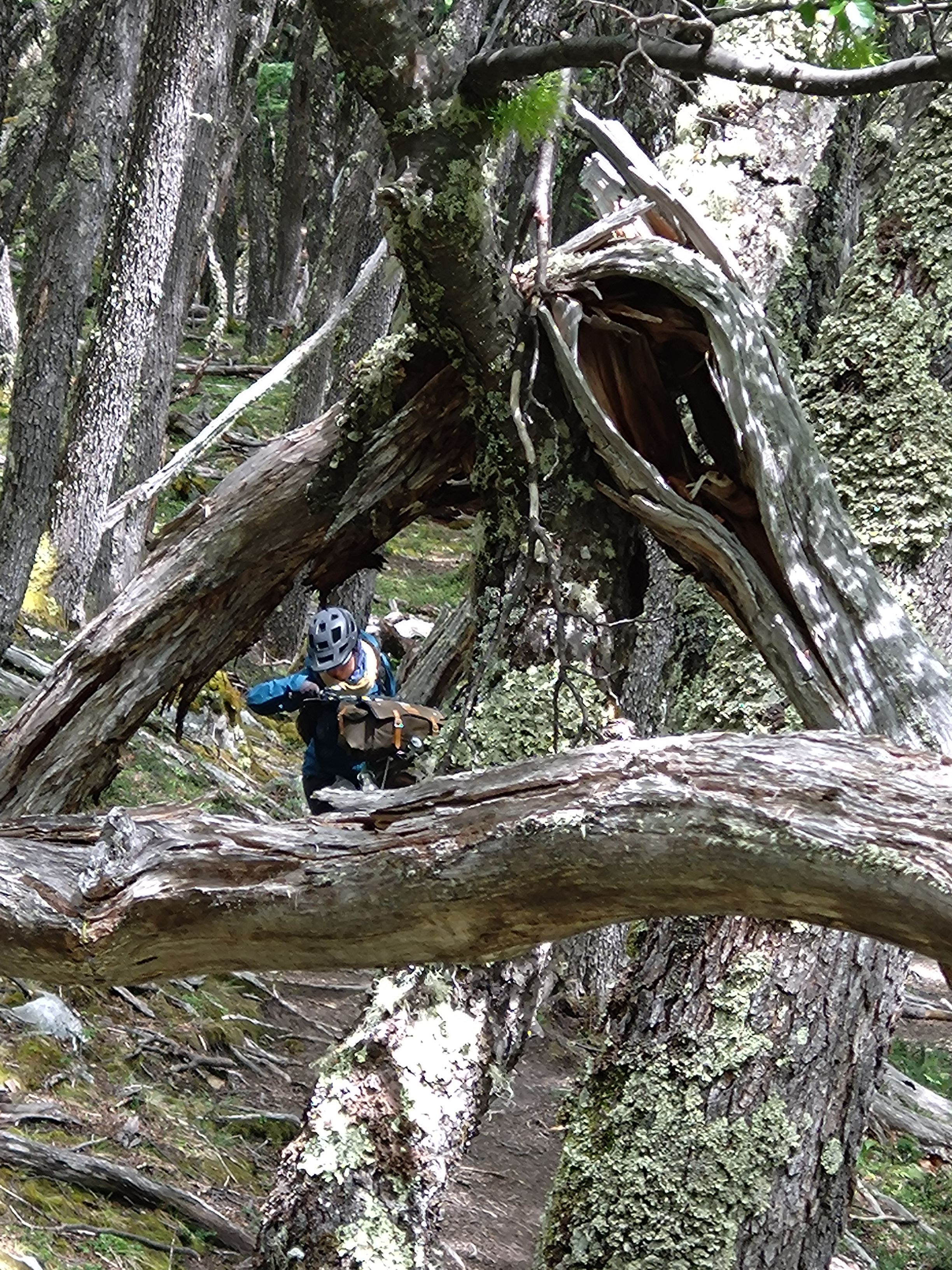
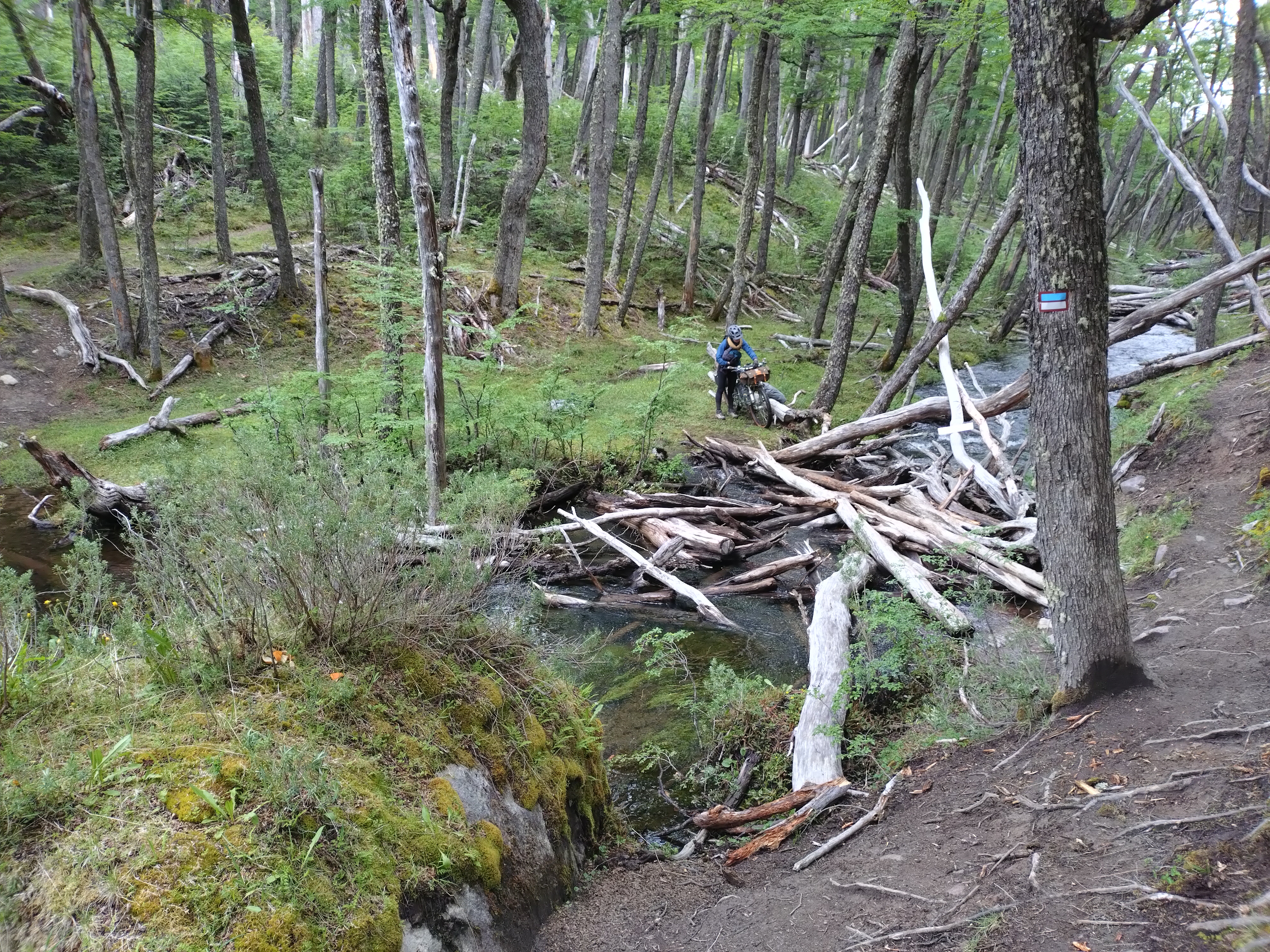
Through the other cyclists we’d met, and through our own research, we’d heard lots of tales about a small section of hike-a-bike that forms part of the route from El Chalten to Villa O’Higgins. It’s one of those stories where every time someone mentioned it, the arduous nature of the trail increased – the length became longer, the climb higher, the trail muddier, the time it takes increasing. It sounded like a trail that was right up our street and with all our previous experience of hike-a-bike on this trip, we figured it couldn’t be that bad. Again, we’d been warned that heading North made things more difficult as we would be climbing uphill for the 6km of trail. But we were keen to see how we would fare on bikes that are made for off-road riding and Ted reminded me of all our ‘training’ for this type of terrain from the European Divide. It was definitely the case that we had to push, carry and drag our bikes through narrow twisty, turny, rooty woods, over streams and across precarious log jams. As with all hike-a-bike it was physically demanding. Not easy. But in all honesty, despite being tired from our early start and sprint to the boat, we actually enjoy it. We took our time, there was no rush and we loved being in the beautiful untouched forest. We also took the opportunity to re-building some of the stream crossings where the logs had been washed downstream by the spring melt water. How on earth those with heavily loaded touring bikes manage it though, I do not know.
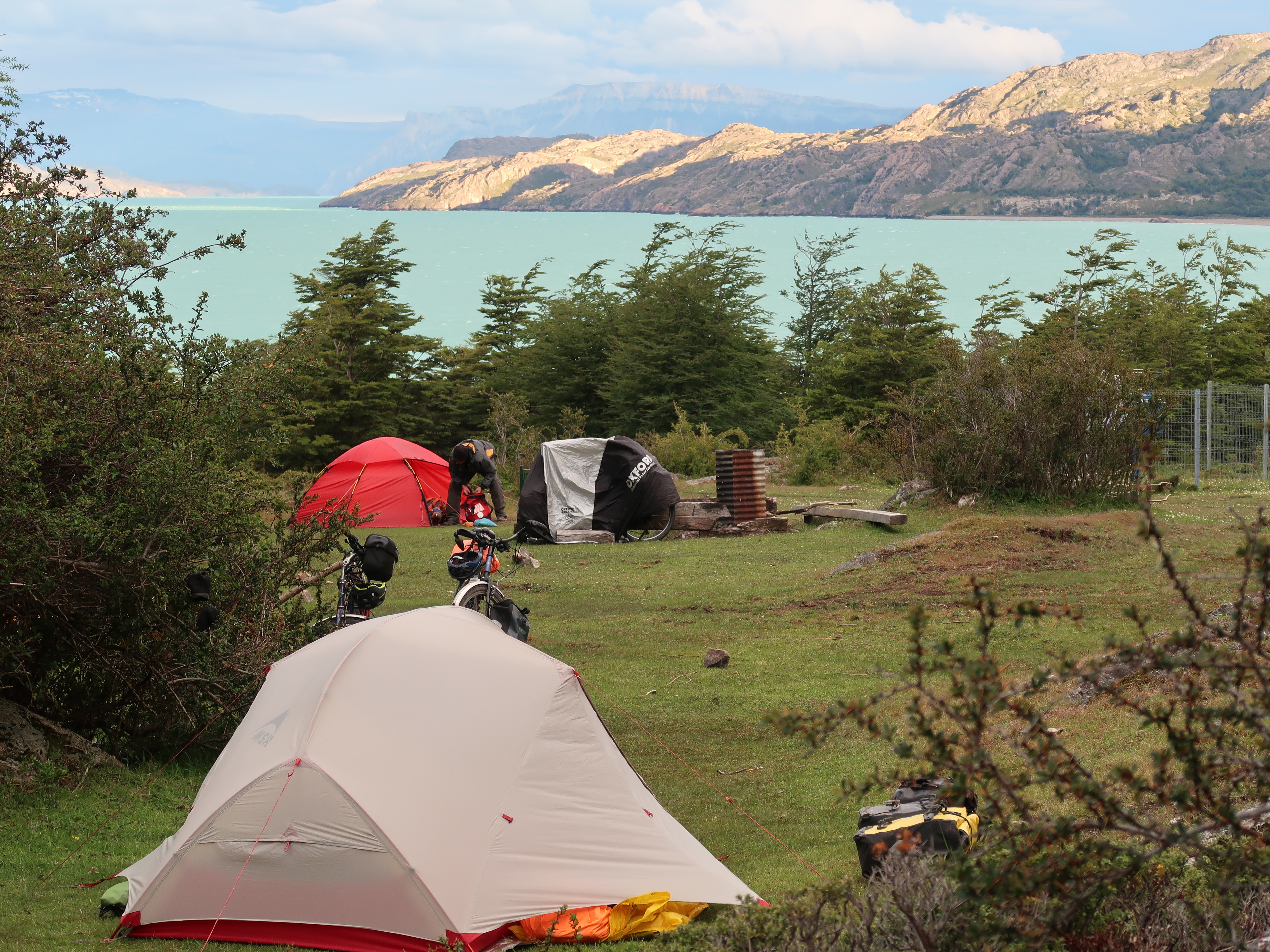
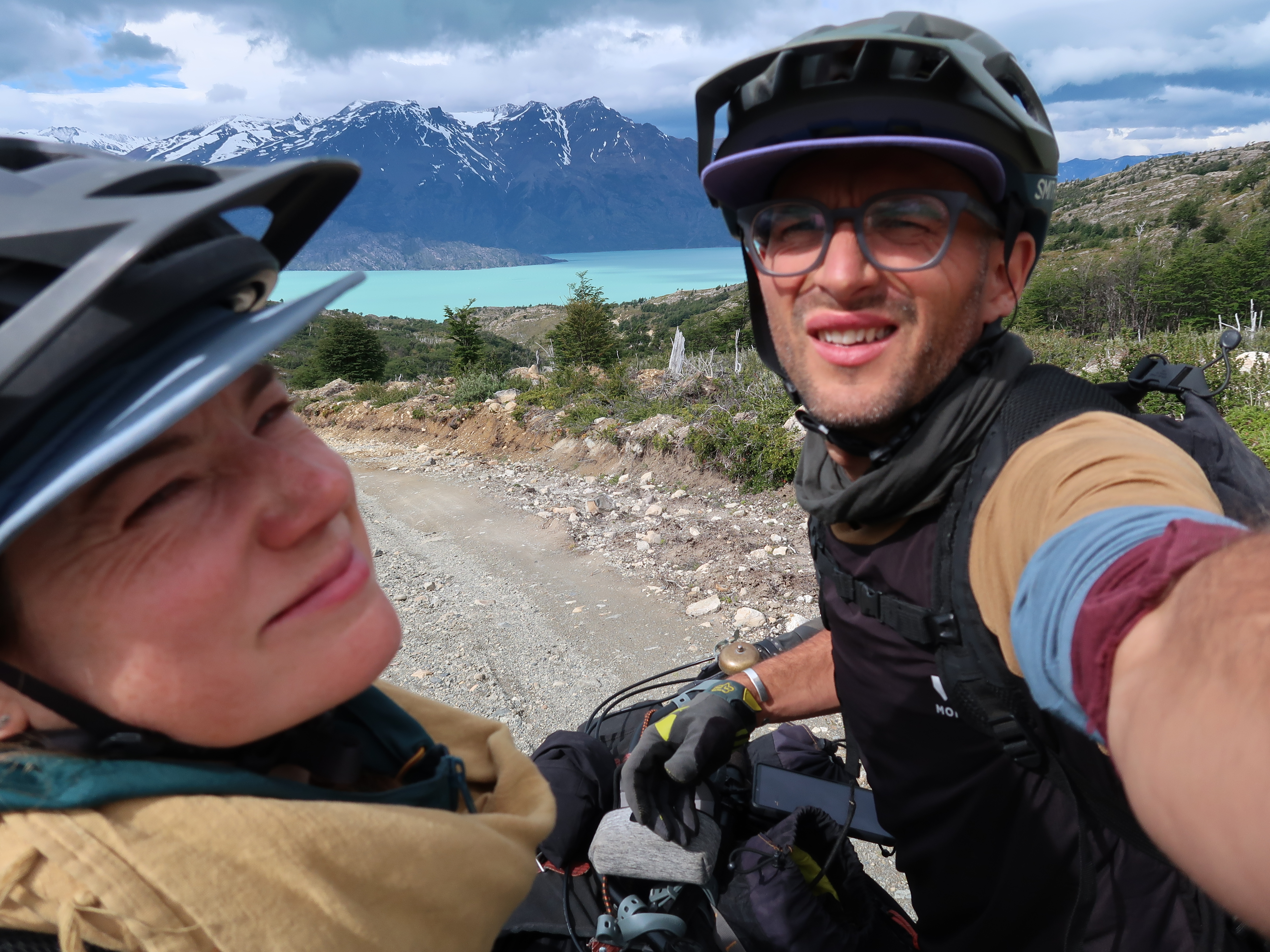
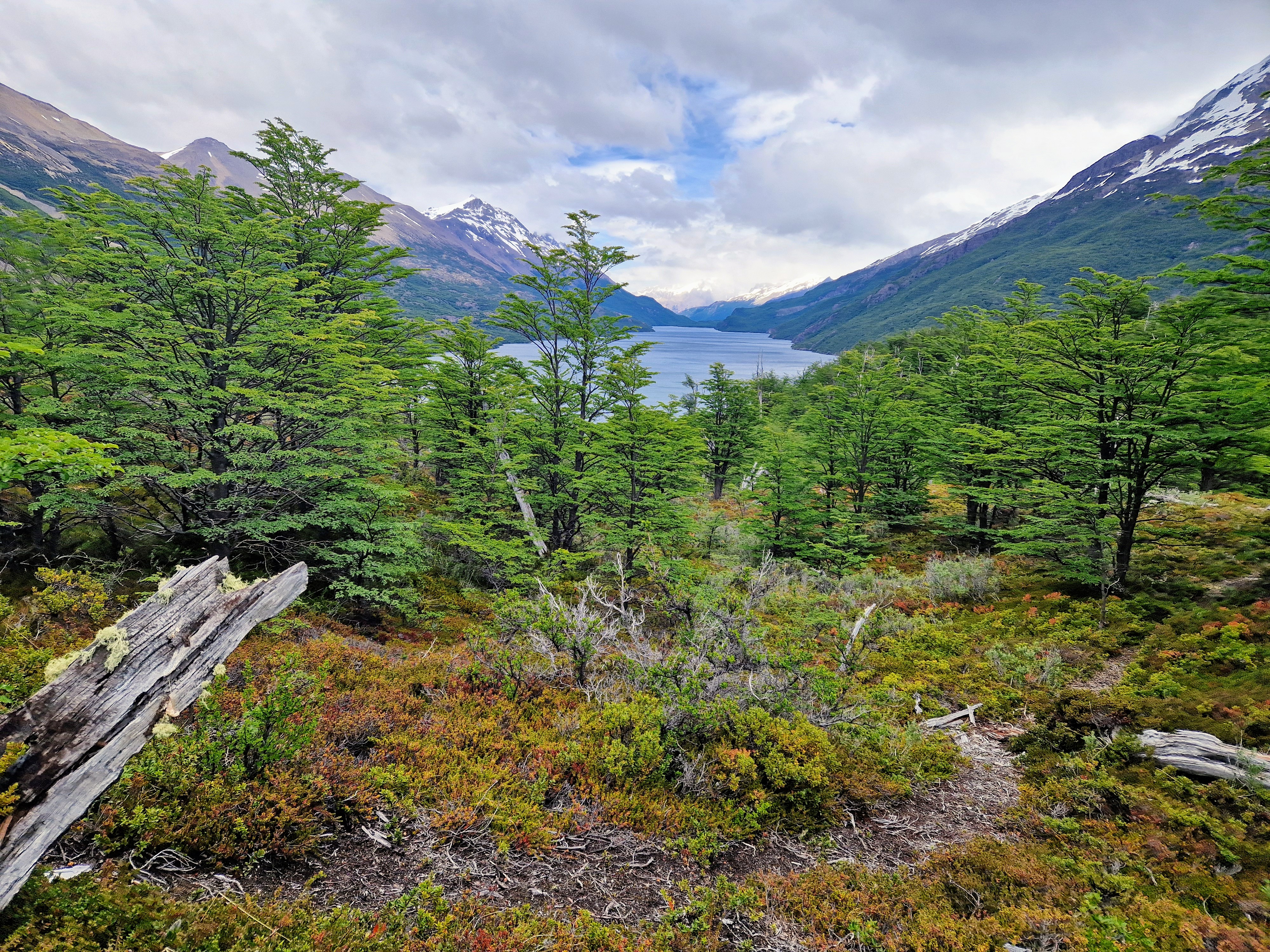
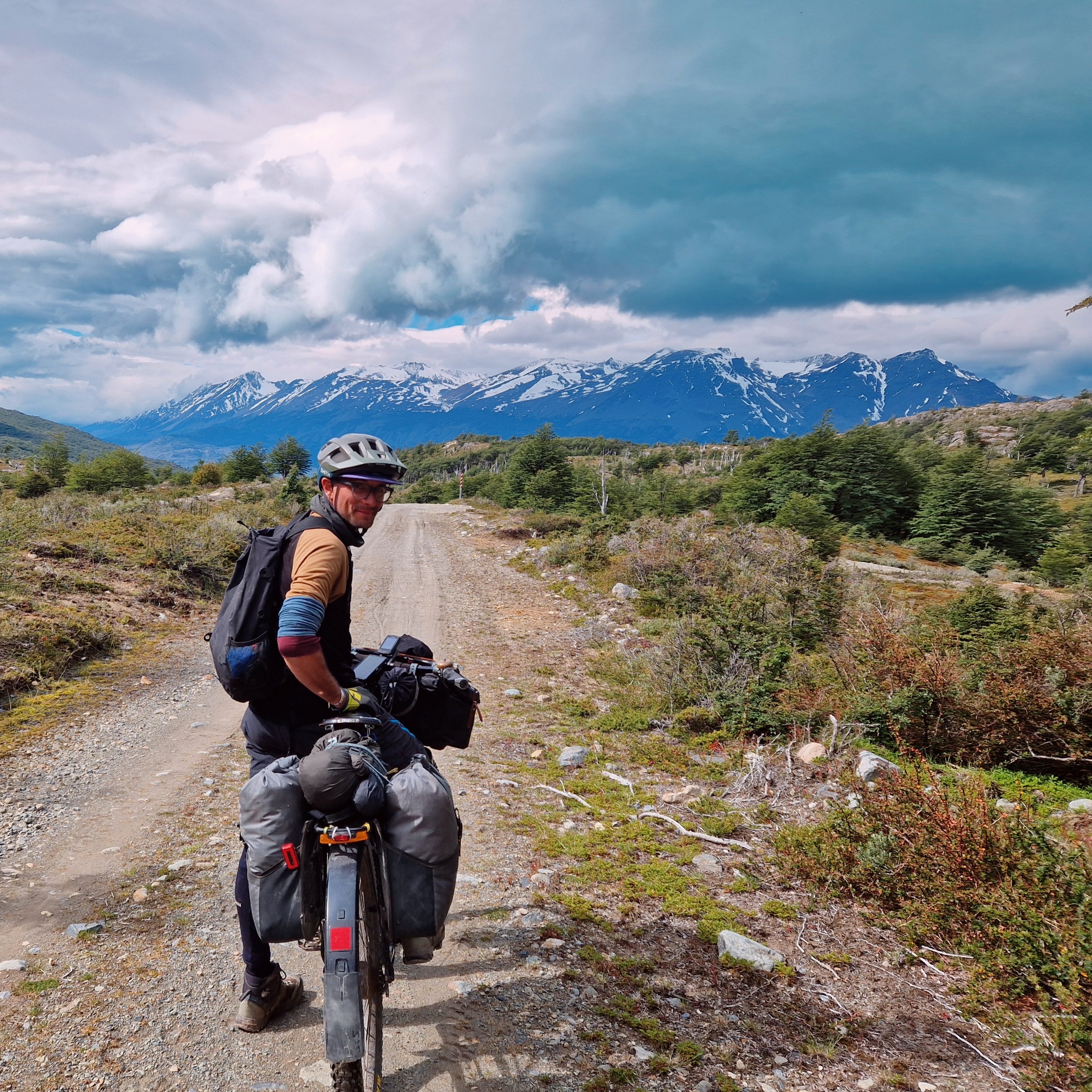
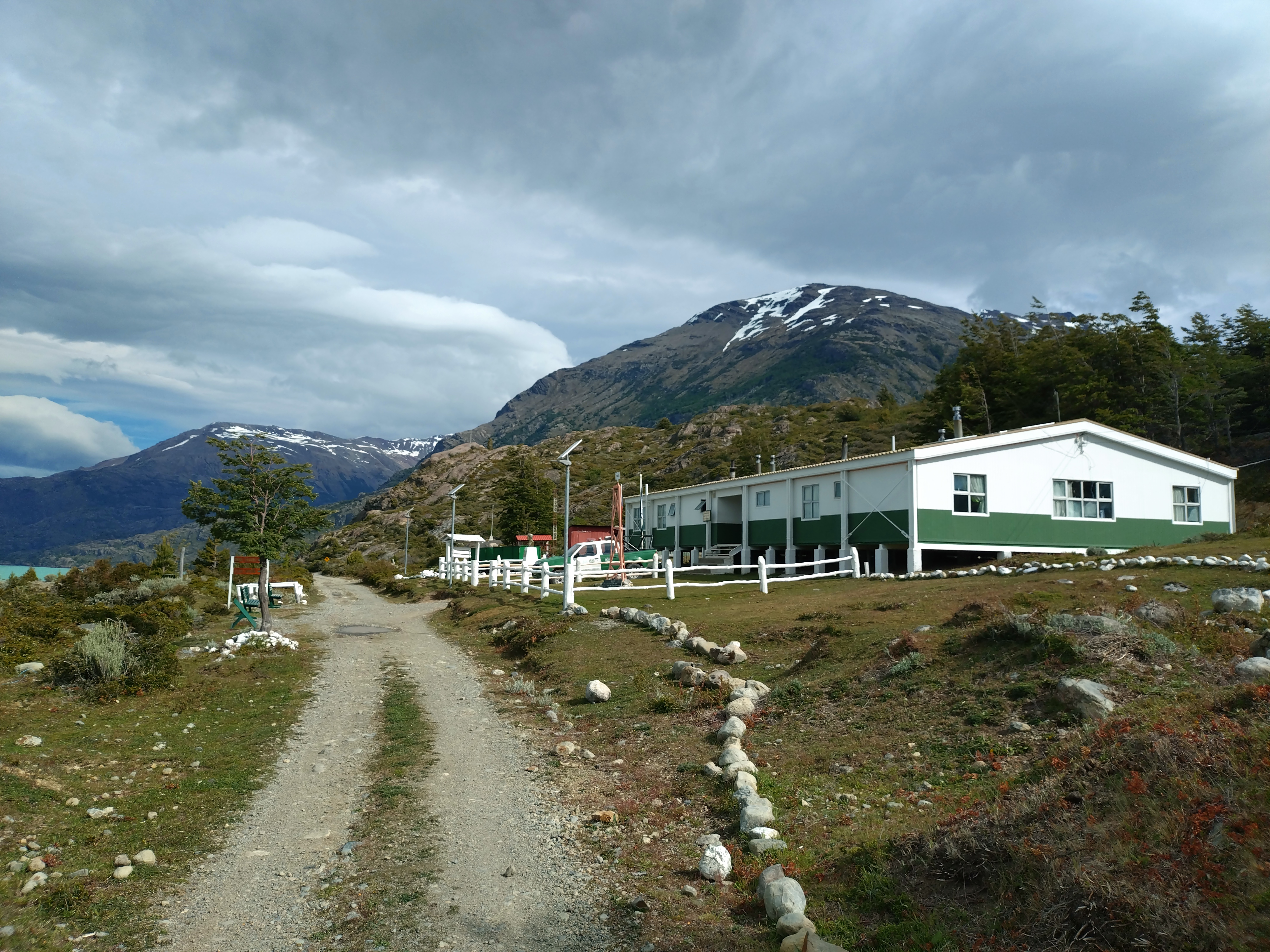
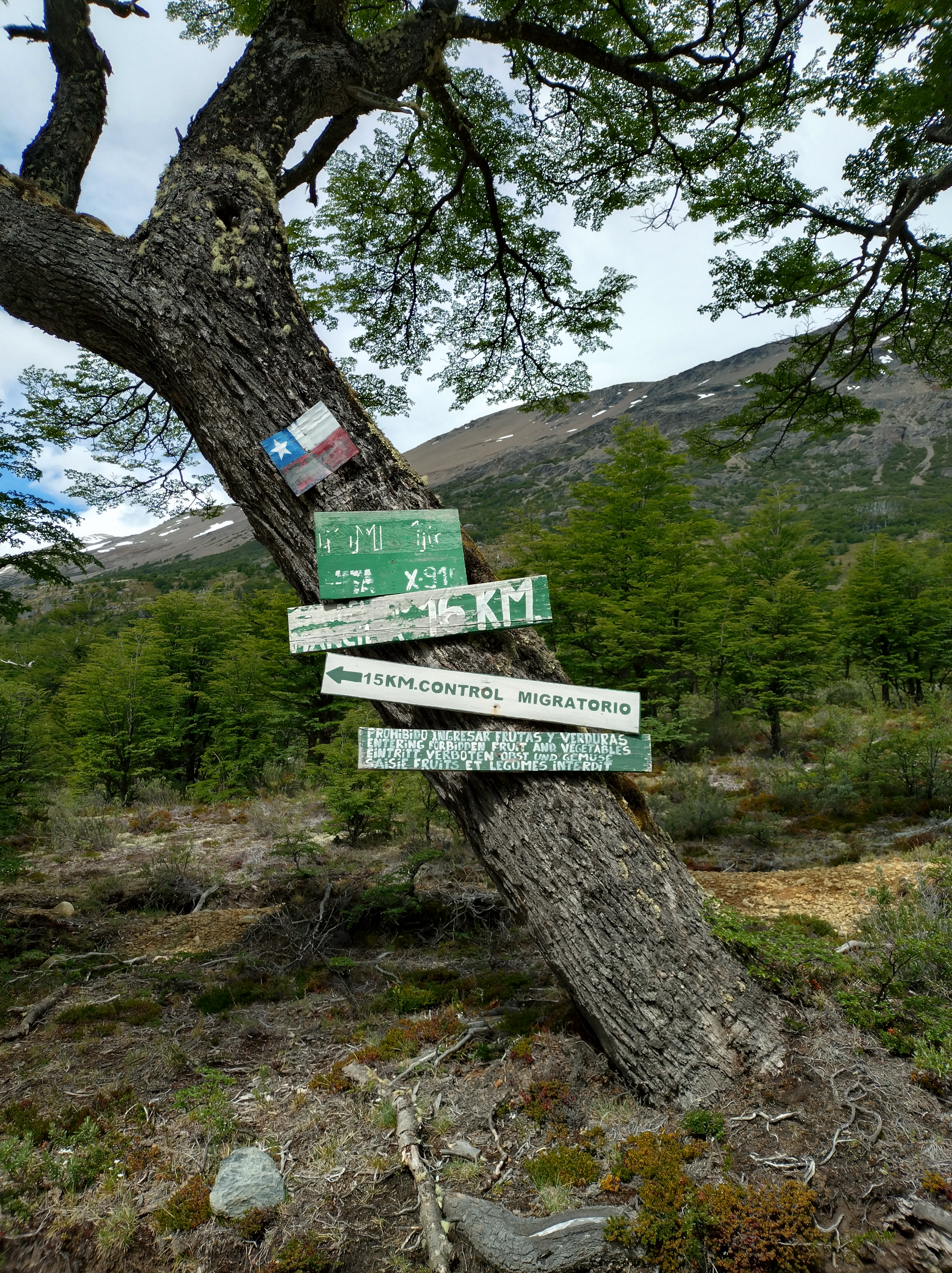
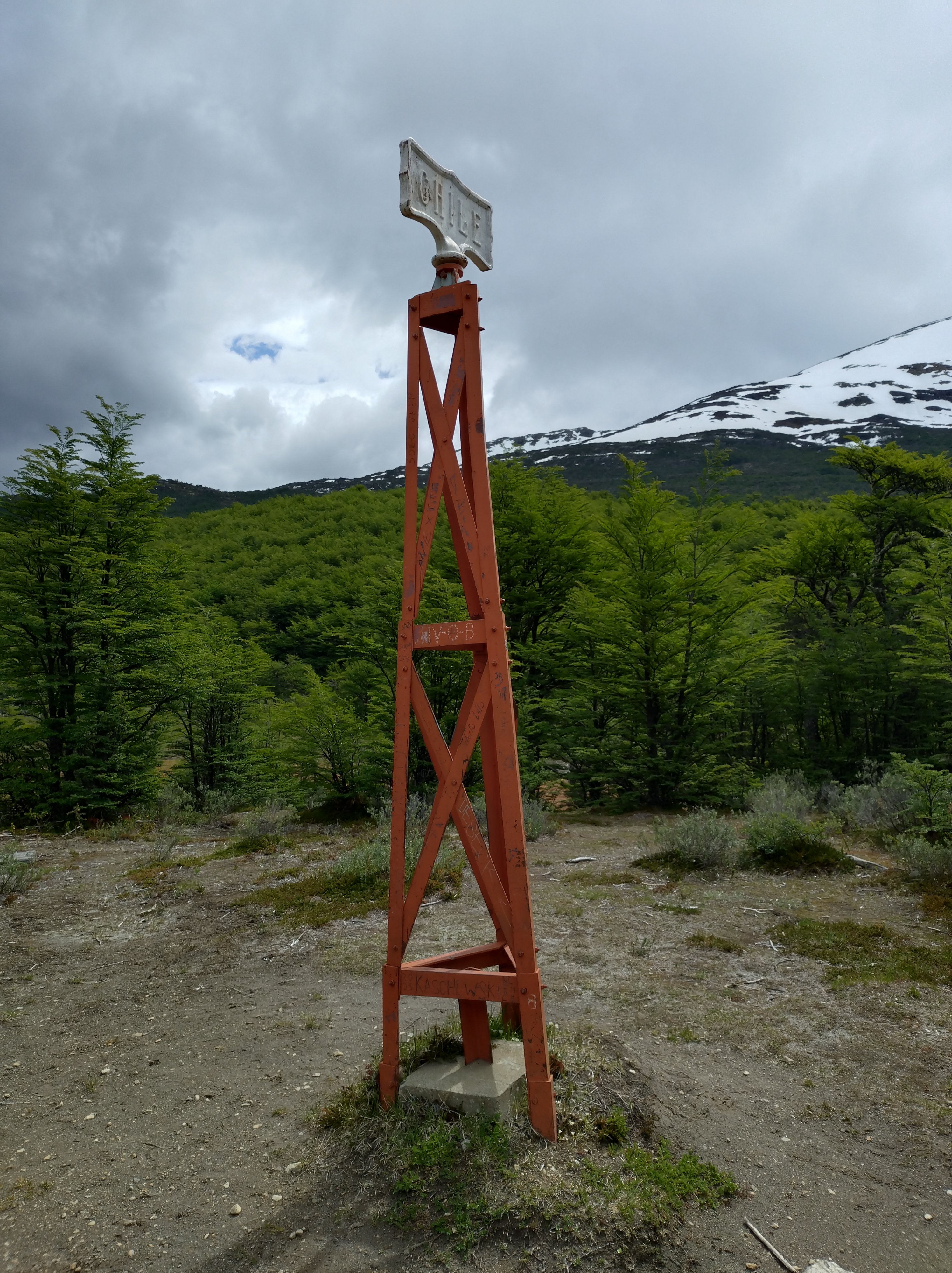
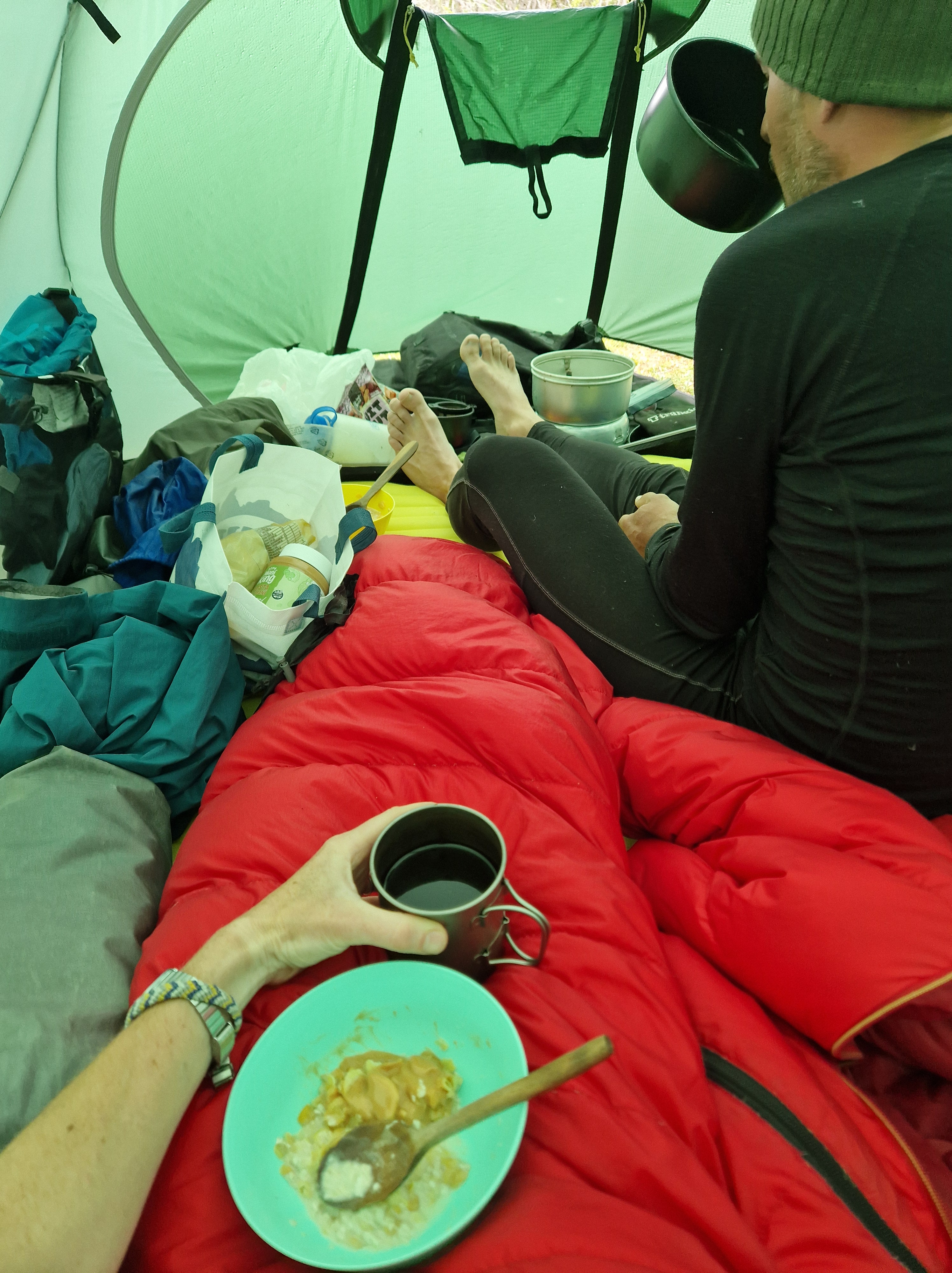
By 4pm we’d made it to the Chilean border where the trail ends and becomes a rideable, loose downhill doubletrack. By this point I was so tired. All I kept thinking about was being able to crawl into my sleeping bag and not getting out of it for more than 12 hours, not even to eat – the thought of eating breakfast at lunchtime tomorrow wrapped in cosy down became my dream! As we turned the final corner of the descent the glacial lake came into view, pure azure blue and surrounded by snow capped peaks – so unbelievably beautiful. And nestled just above it was a basic campsite, sheltered from the winds, only accessible to those on bike or foot, with this vista as it’s view – It was such a perfect place to spend a rest day and I couldn’t wait!
A very choppy crossing
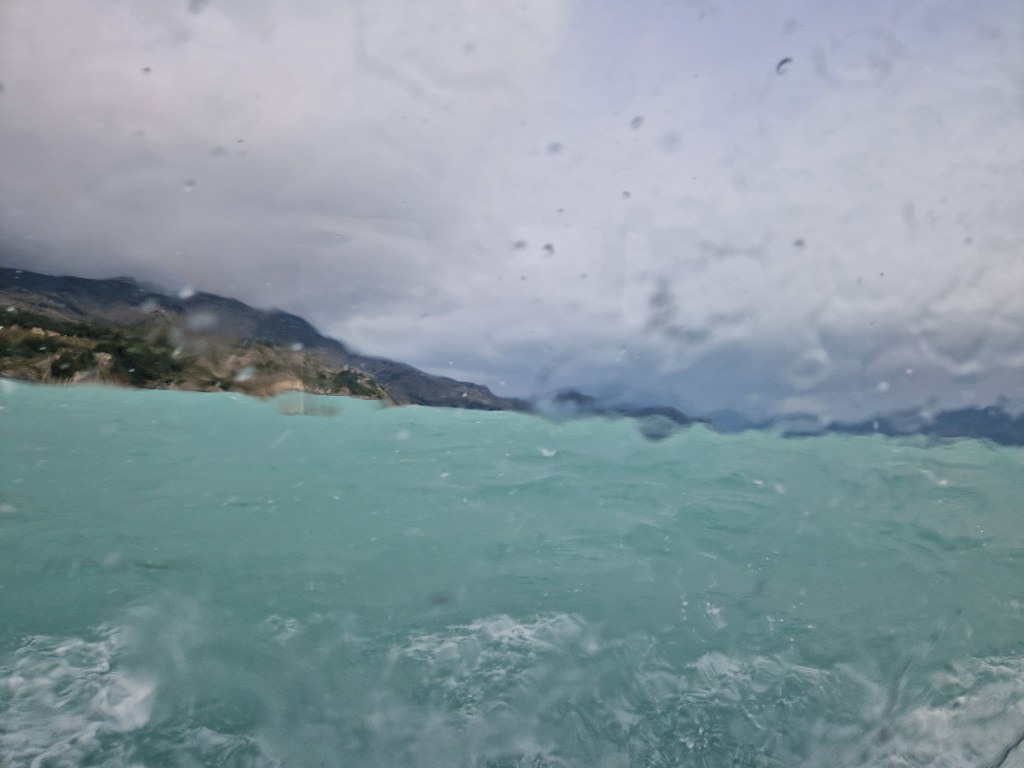
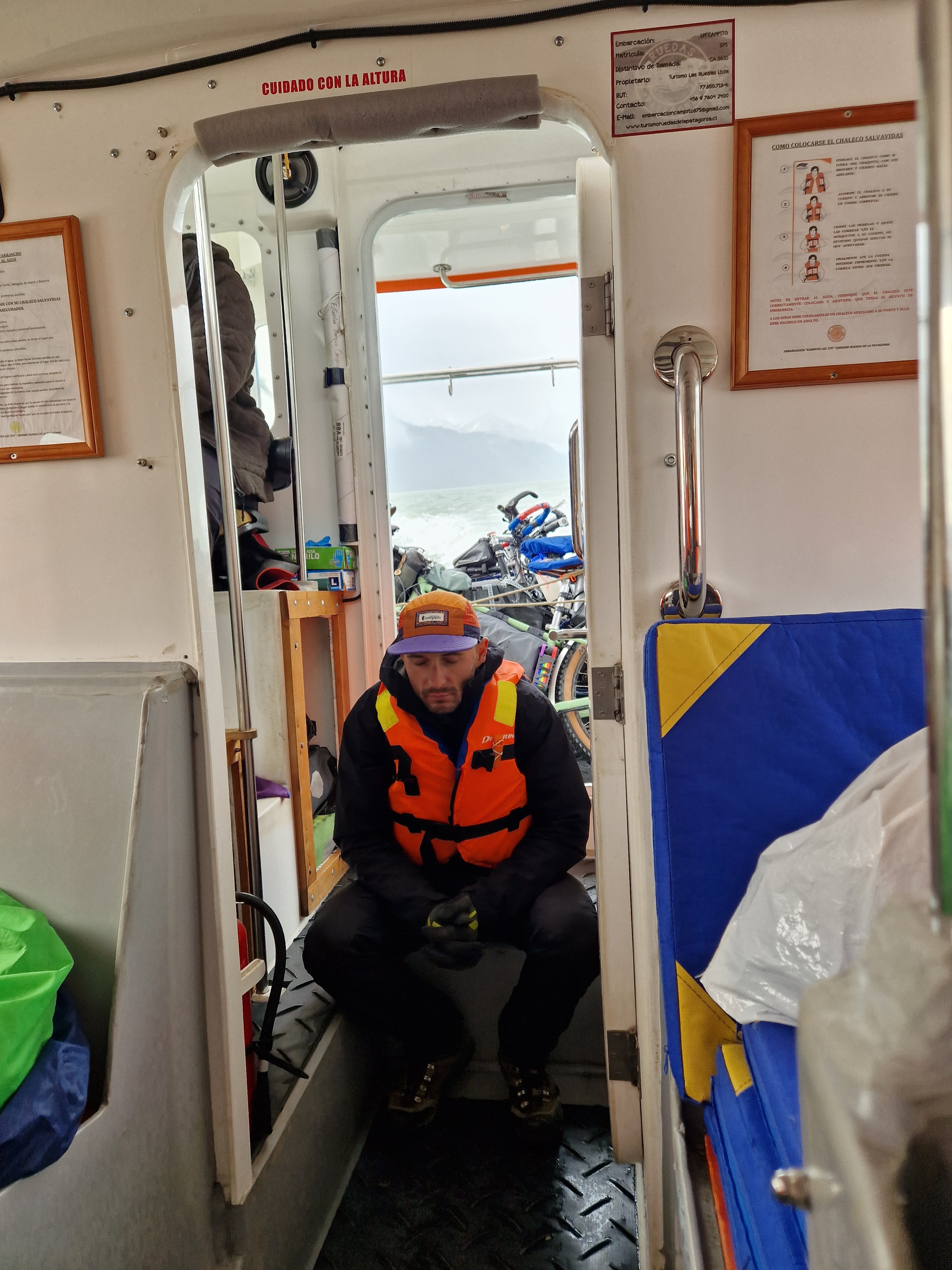
After our much needed rest day at the picture perfect campsite, we had our final boat ride that would take us to Villa O’Higgins. At 7am we were waiting at the dockside with the other 10 or so passengers when a small boat, the size of an inshore lifeboat rig (but with a roof) arrived. This was it. It was tiny. We’d heard that crossing the lake (which is huge), can be pretty dicey as there are various different winds that all converge on its surface but I still wasn’t expecting waves as big as they were – it was hard to believe we were on a lake and not in the sea. Safe to say, Ted did not enjoy the crossing! He spent most of the three hour journey looking as white as a ghost at the back of the boat, losing his breakfast overboard. For me, I enjoyed the rollercoaster with great views, there were only a couple of nerve-wracking moments when even the boat captain made a few alarmed noises. But after 3 hours we made it to Villa O’Higgins and hot footed it through the rain to a laidback, cosy hostel (El Mosco) so Ted could recouperate by the warmth of the toasty warm kitchen stove.
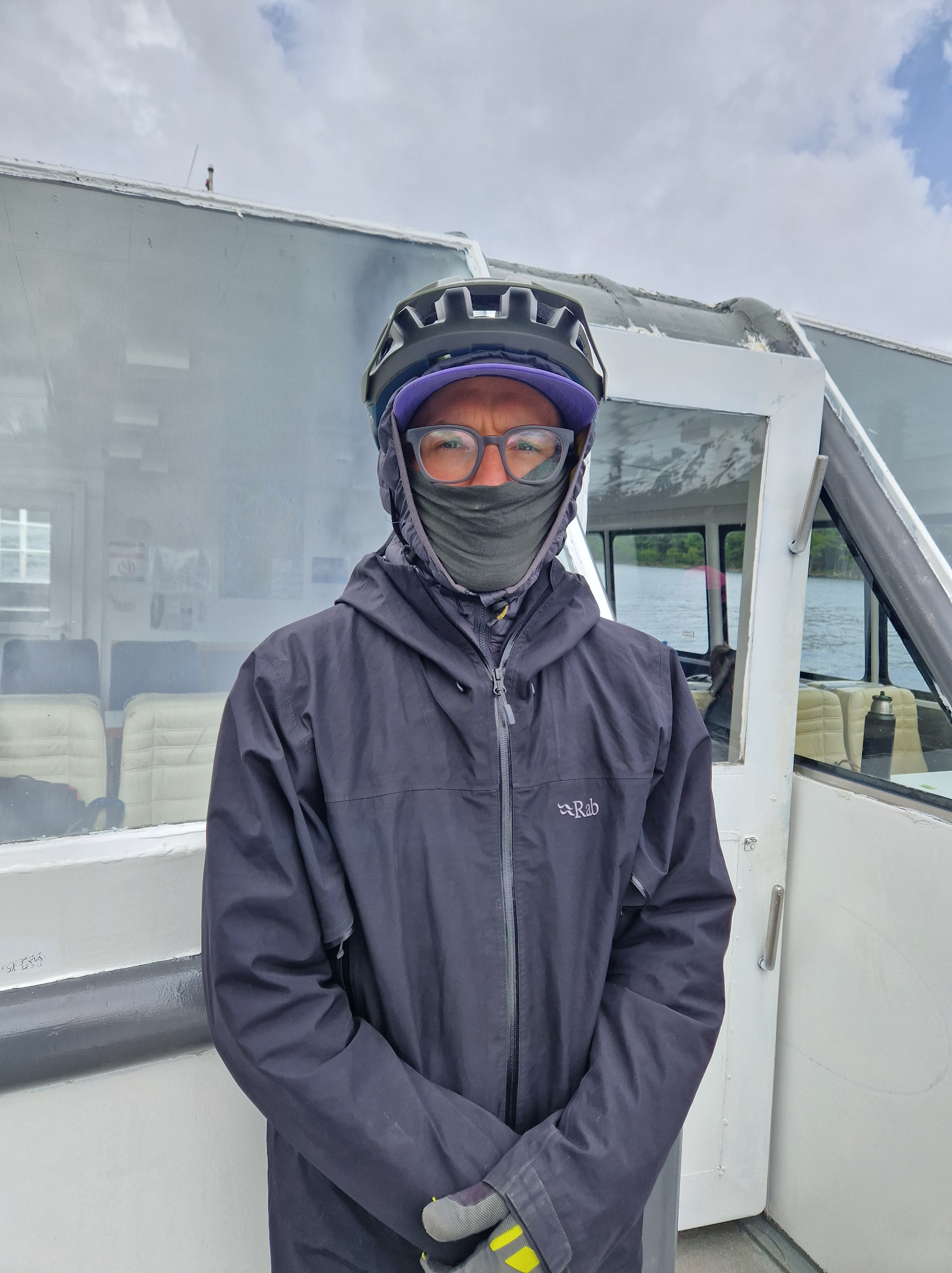
The Caraterra Austral – a classic for good reason.
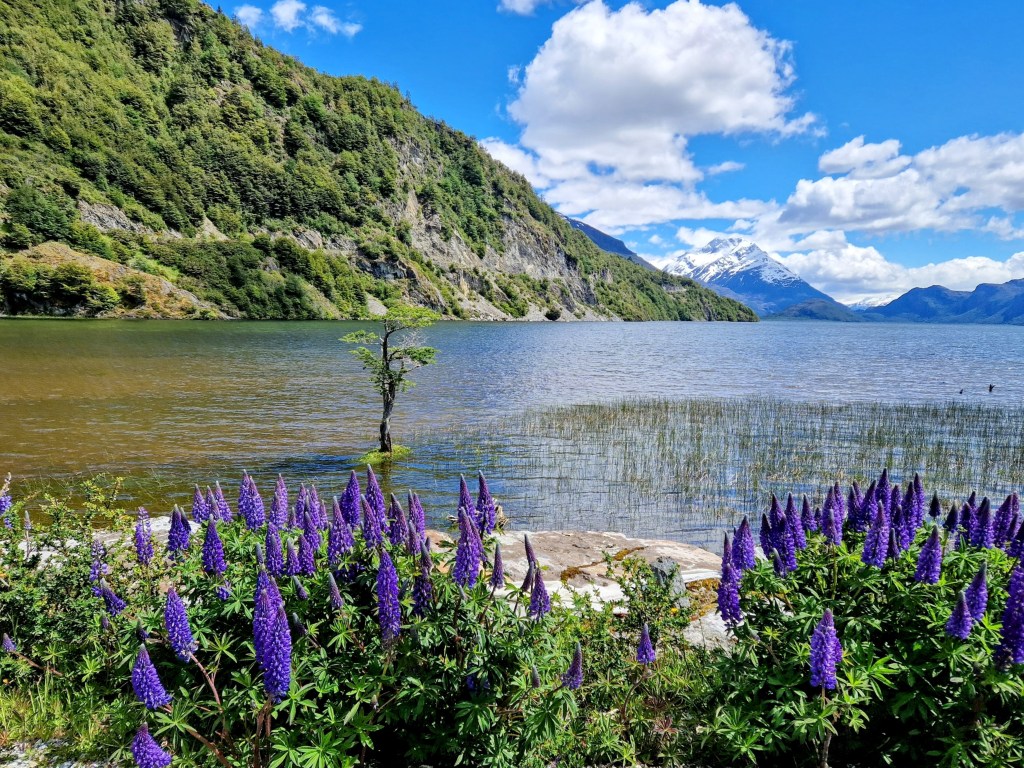
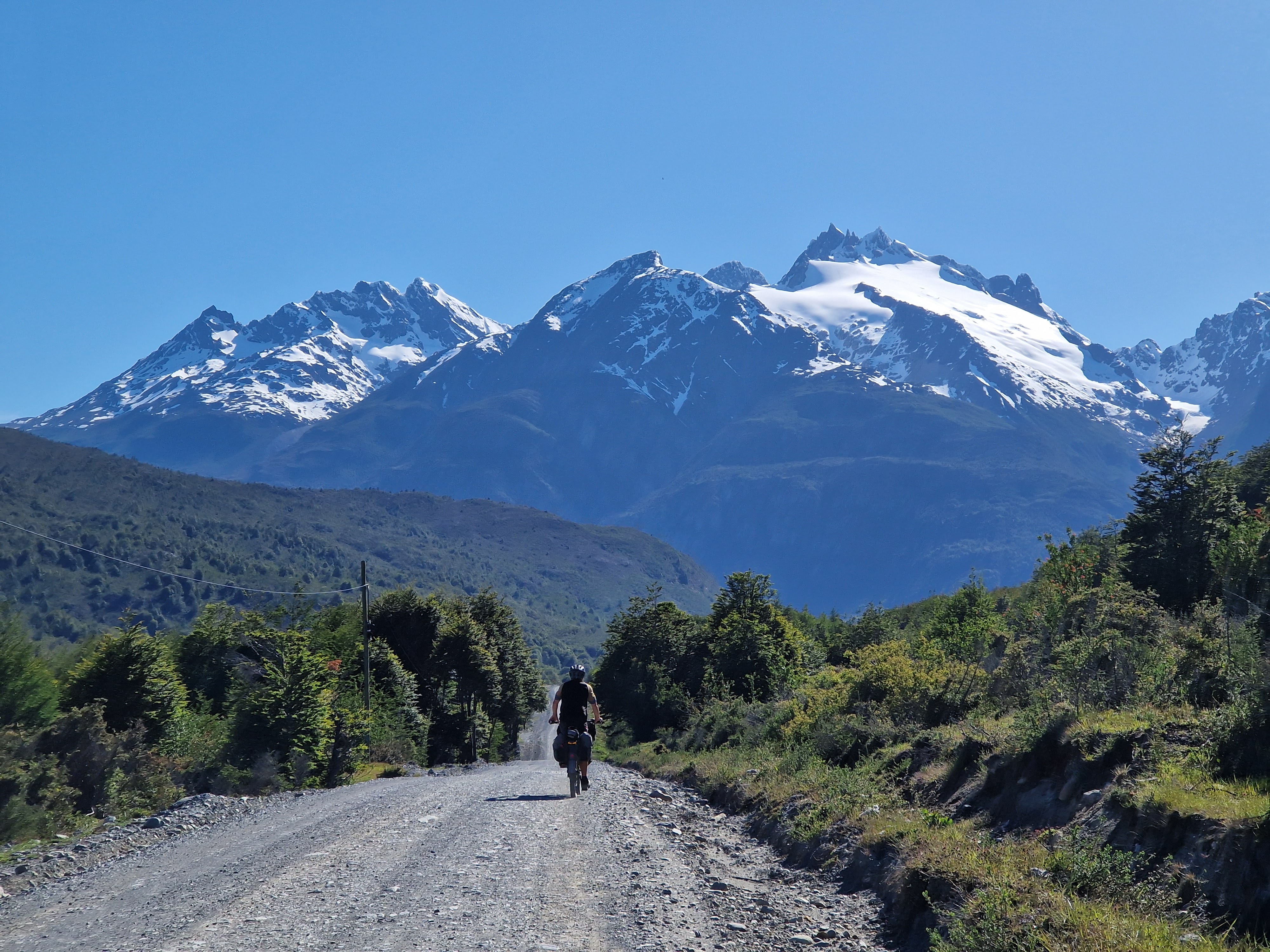
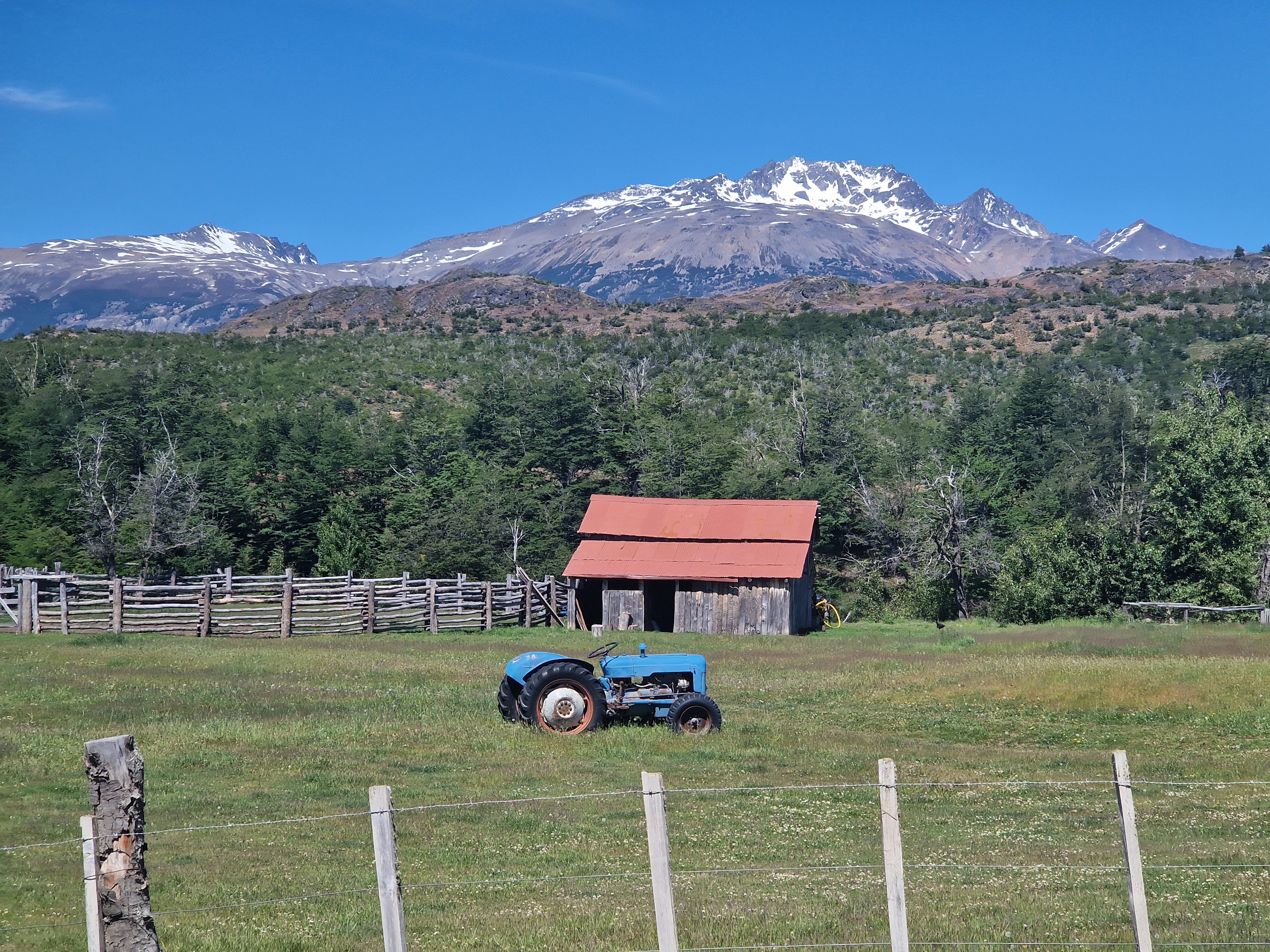
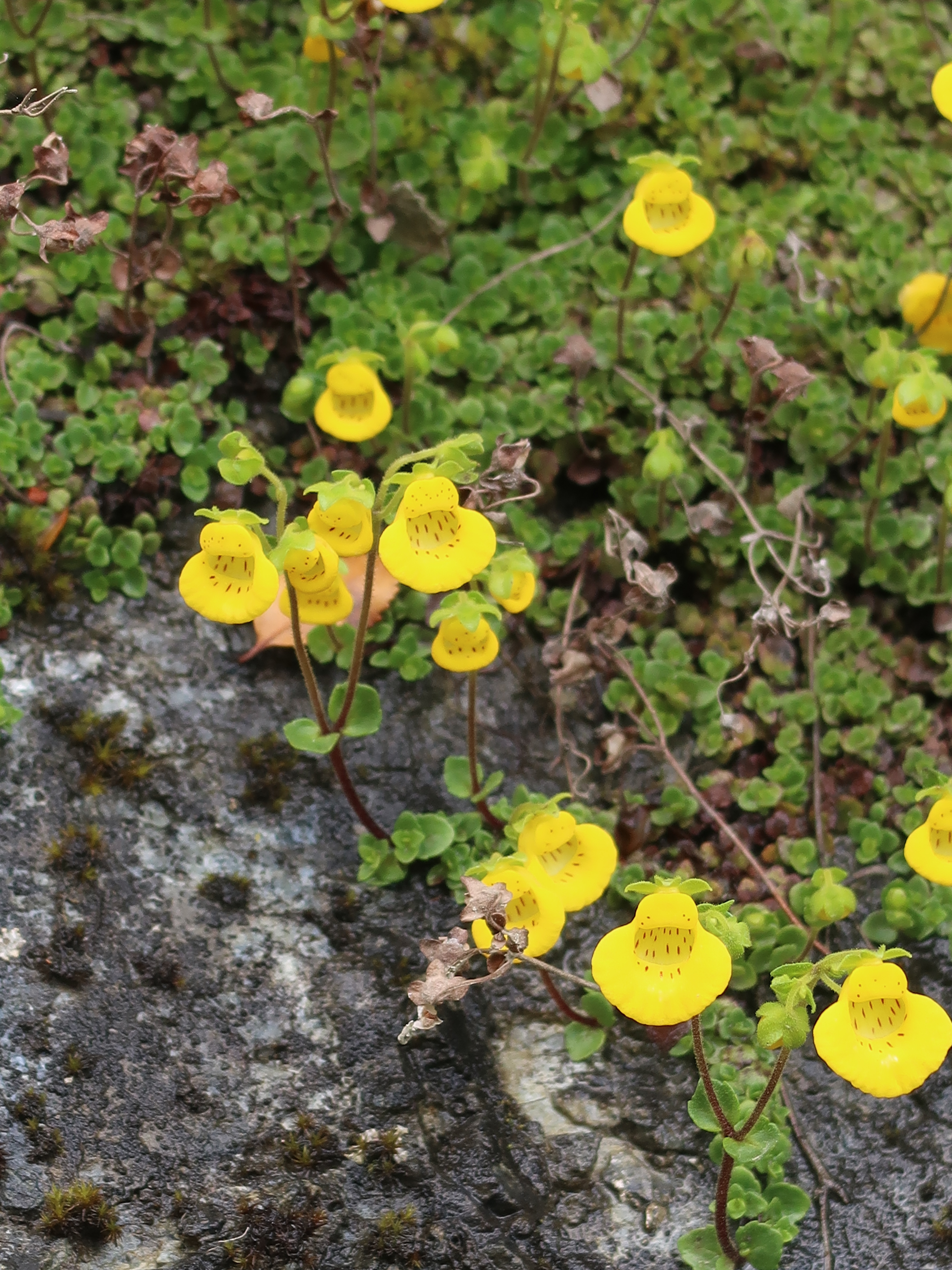
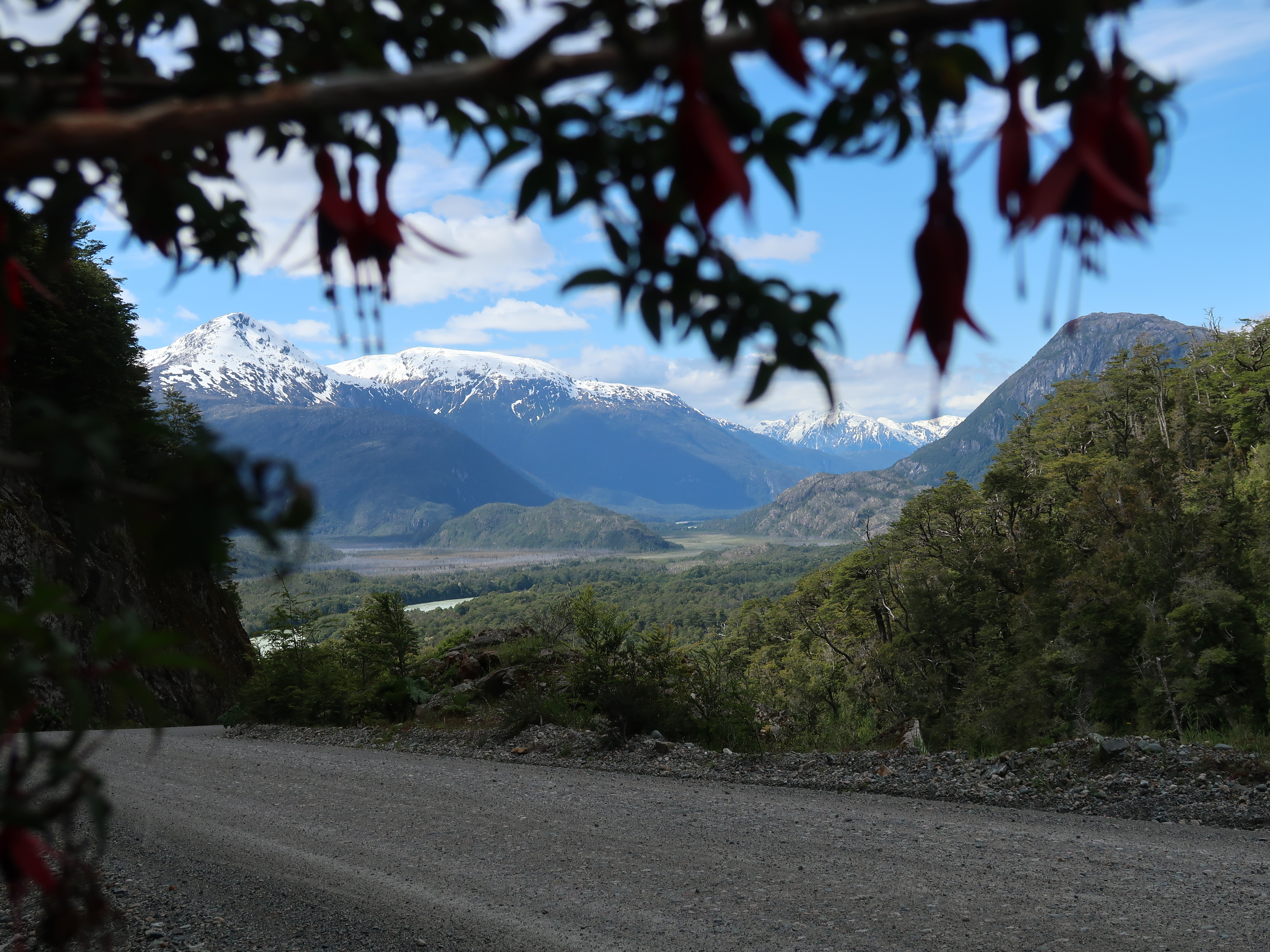
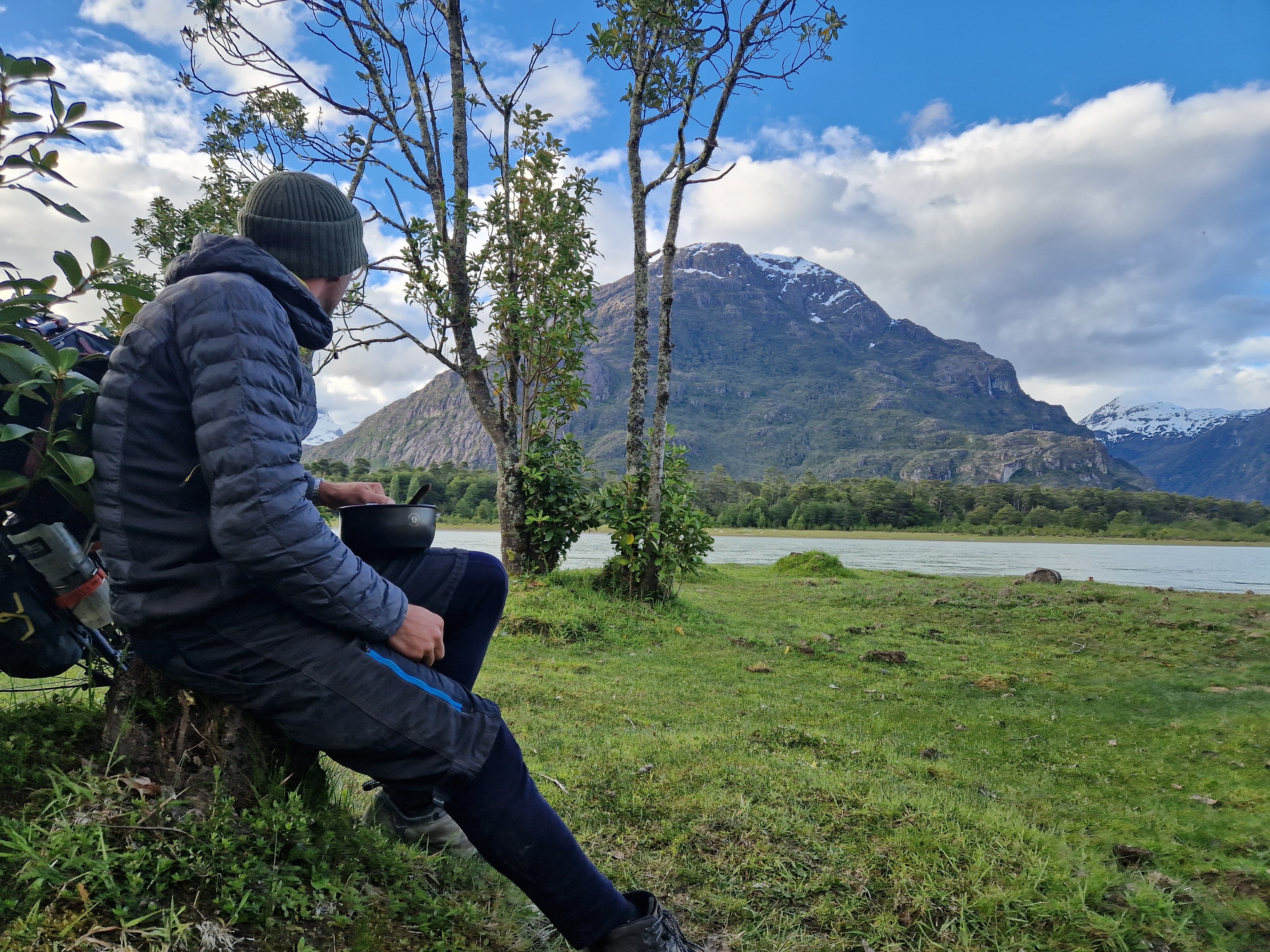
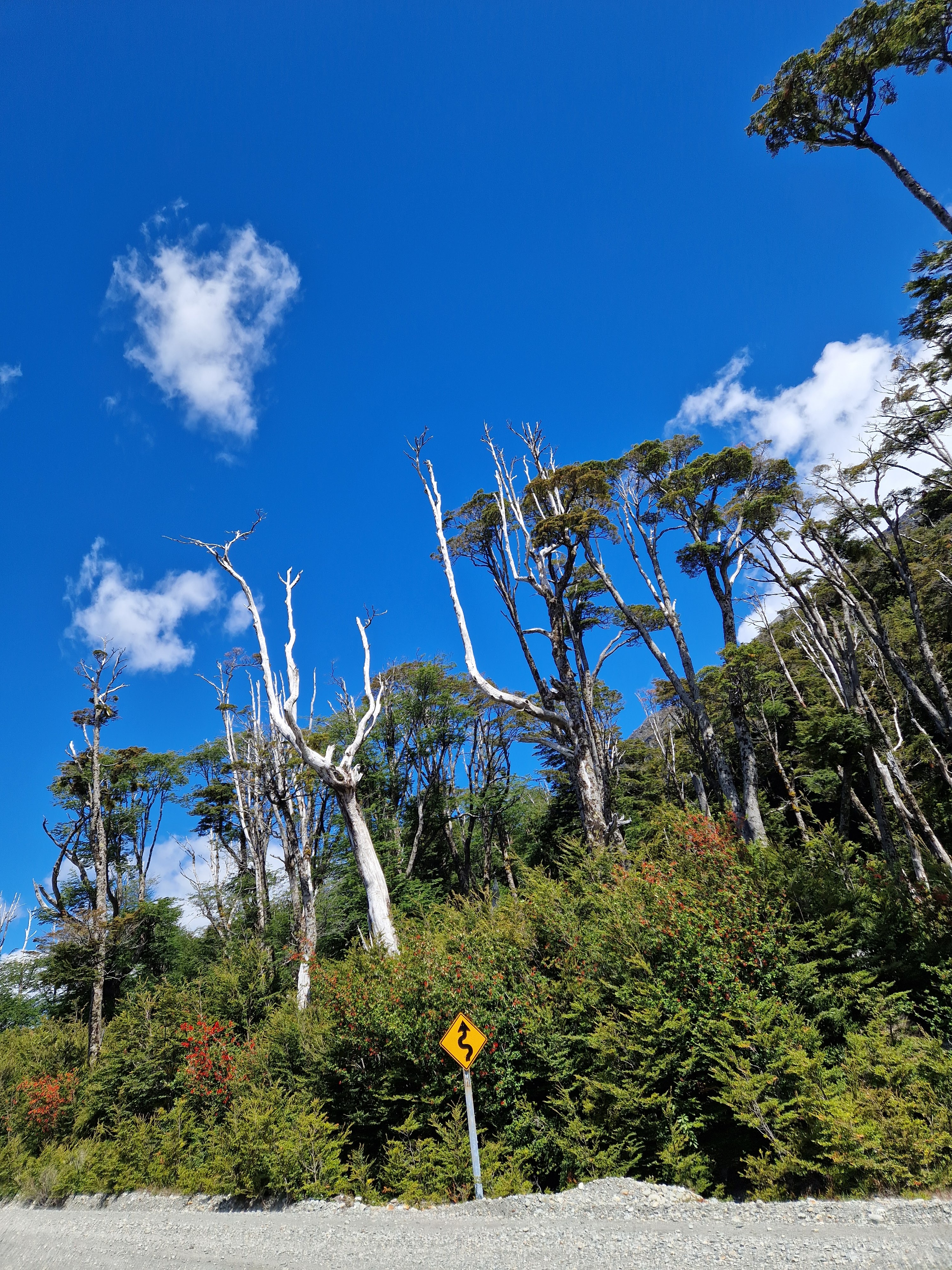
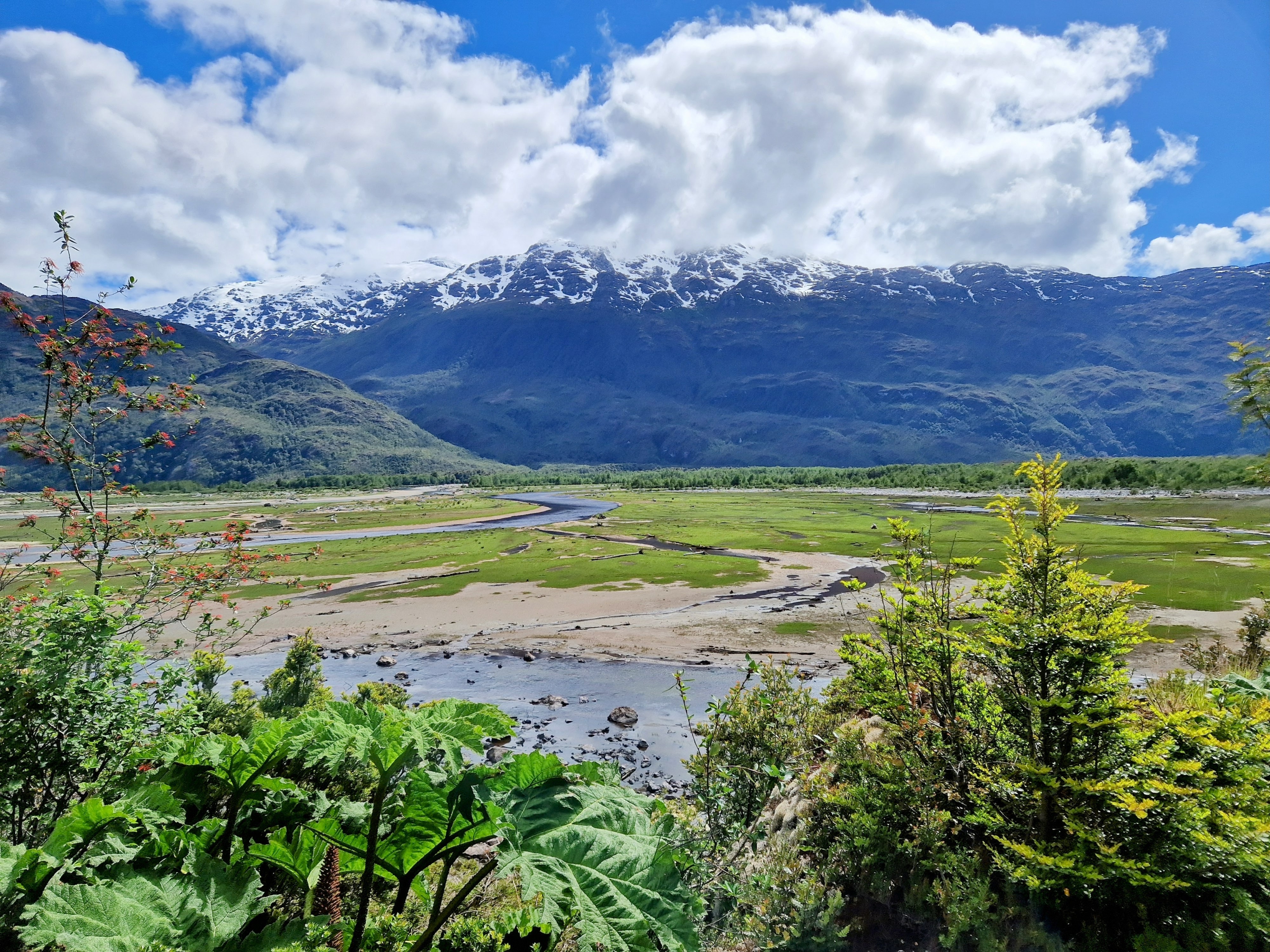
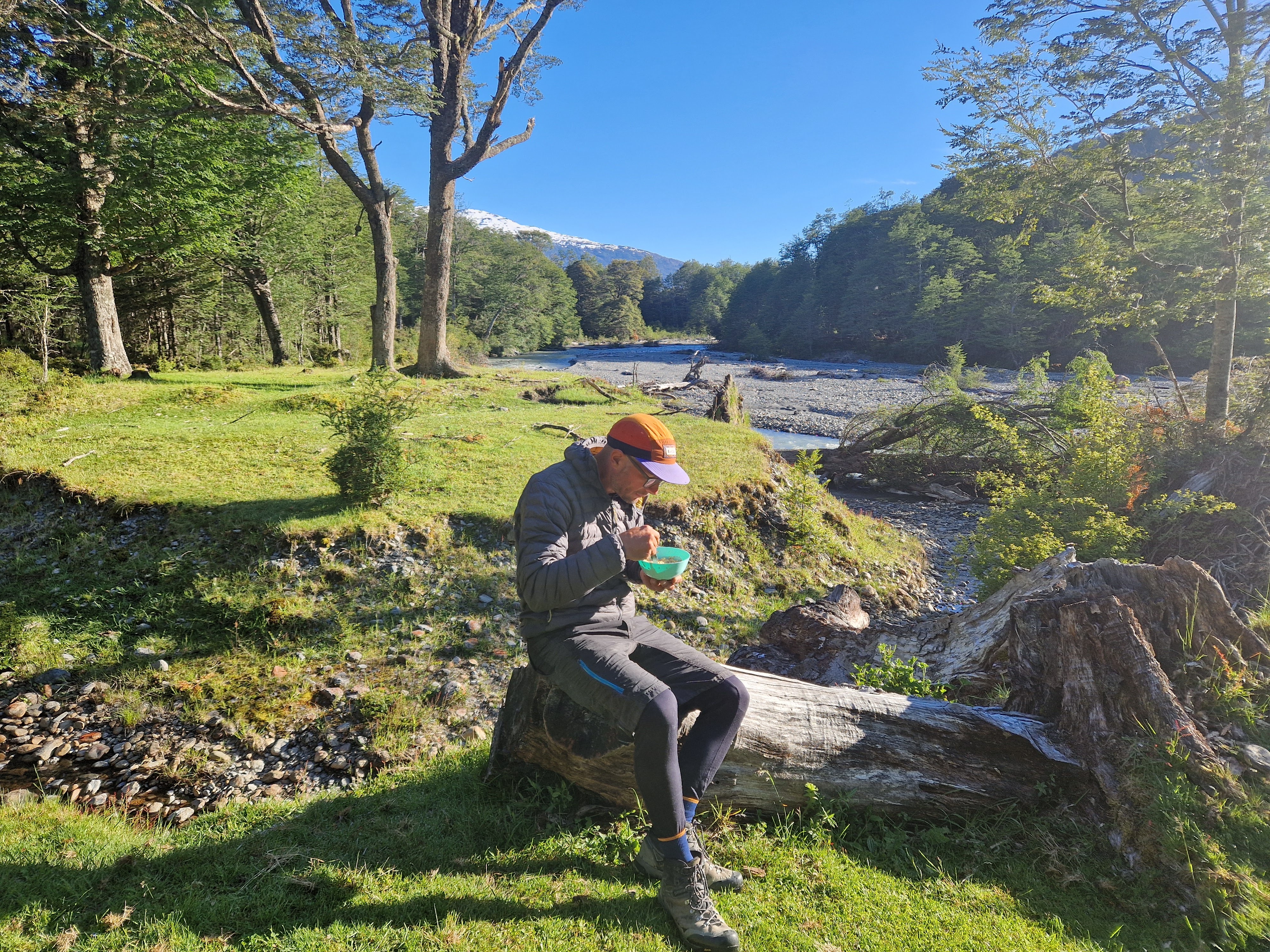
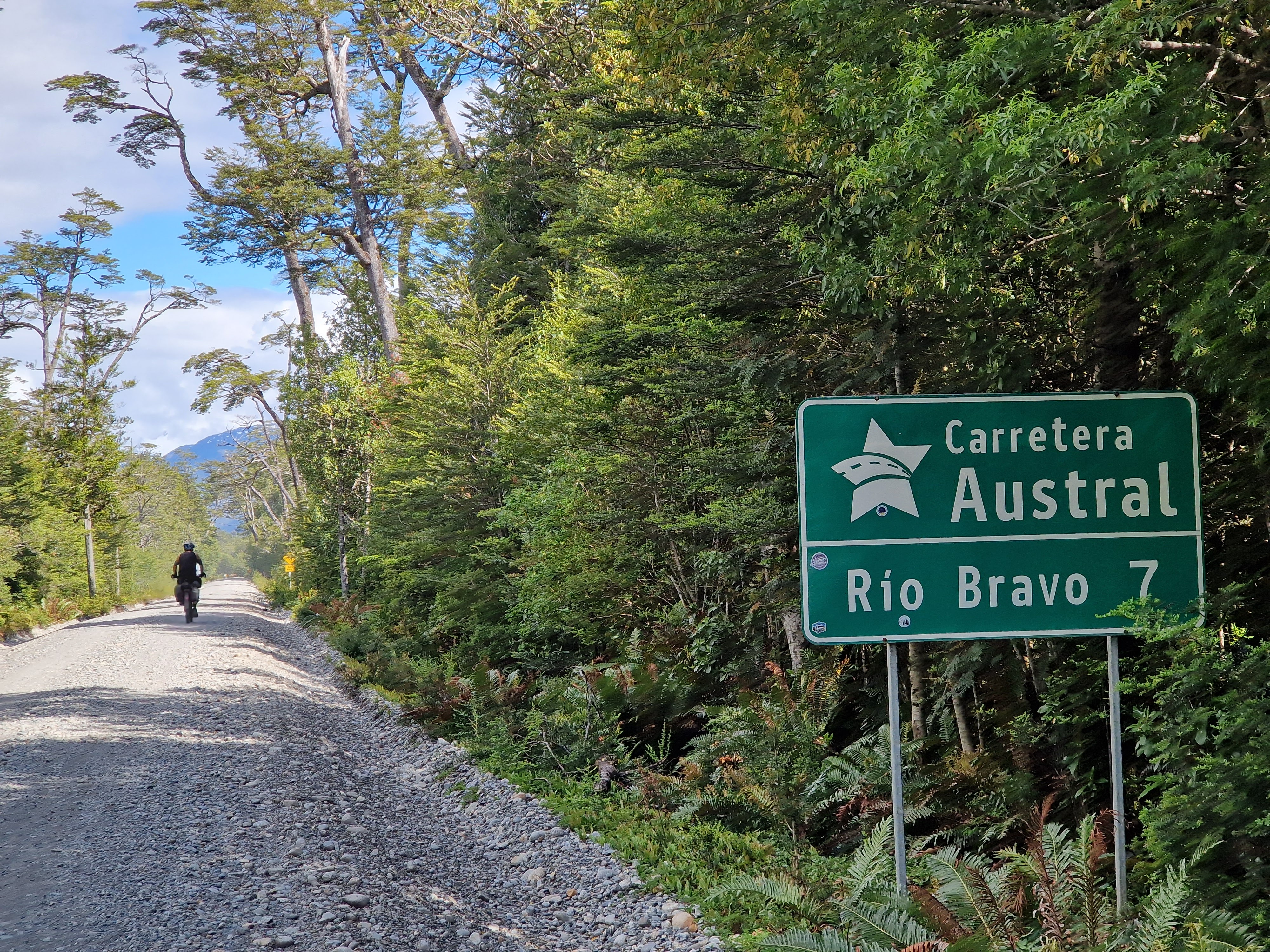
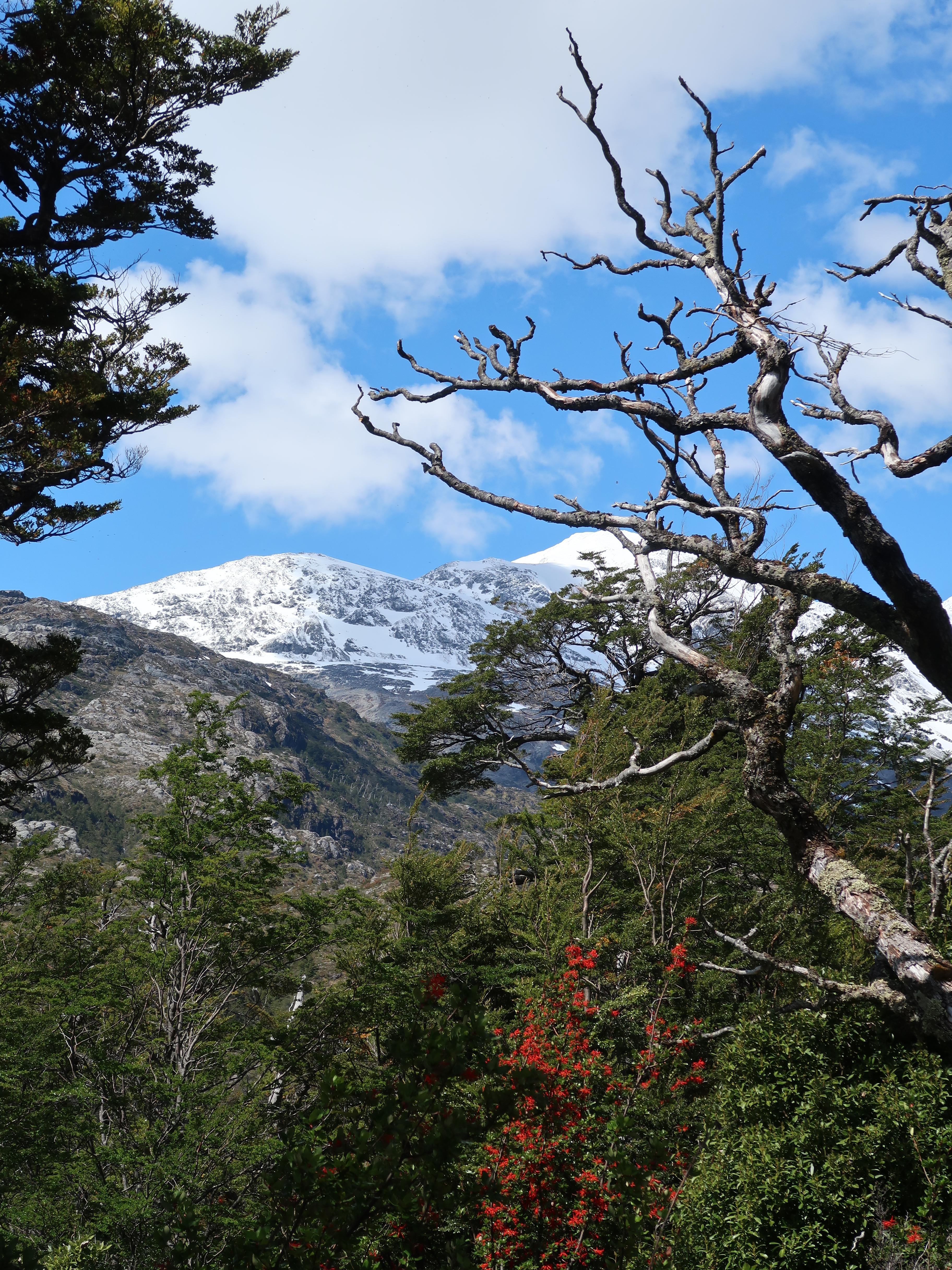
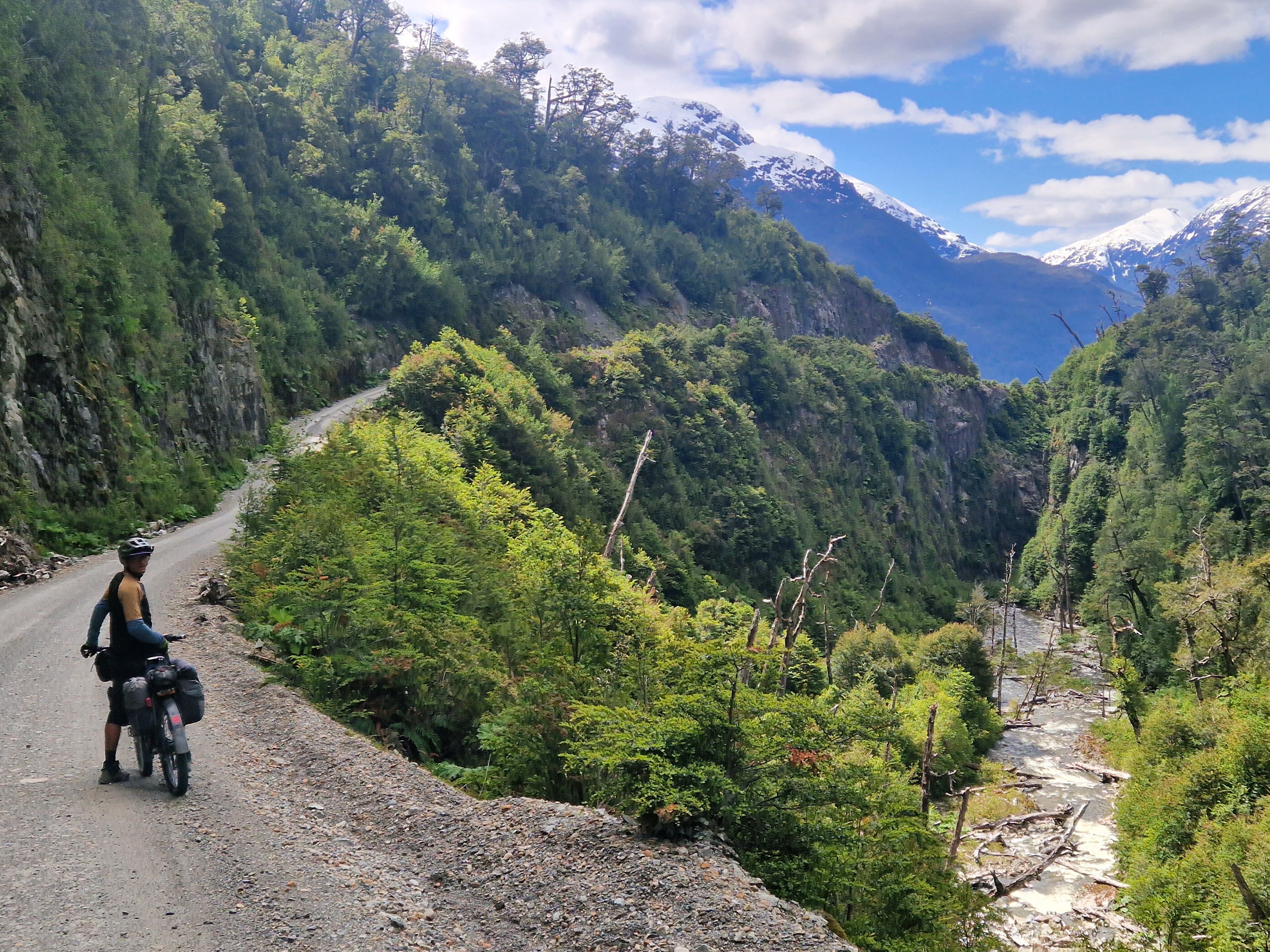
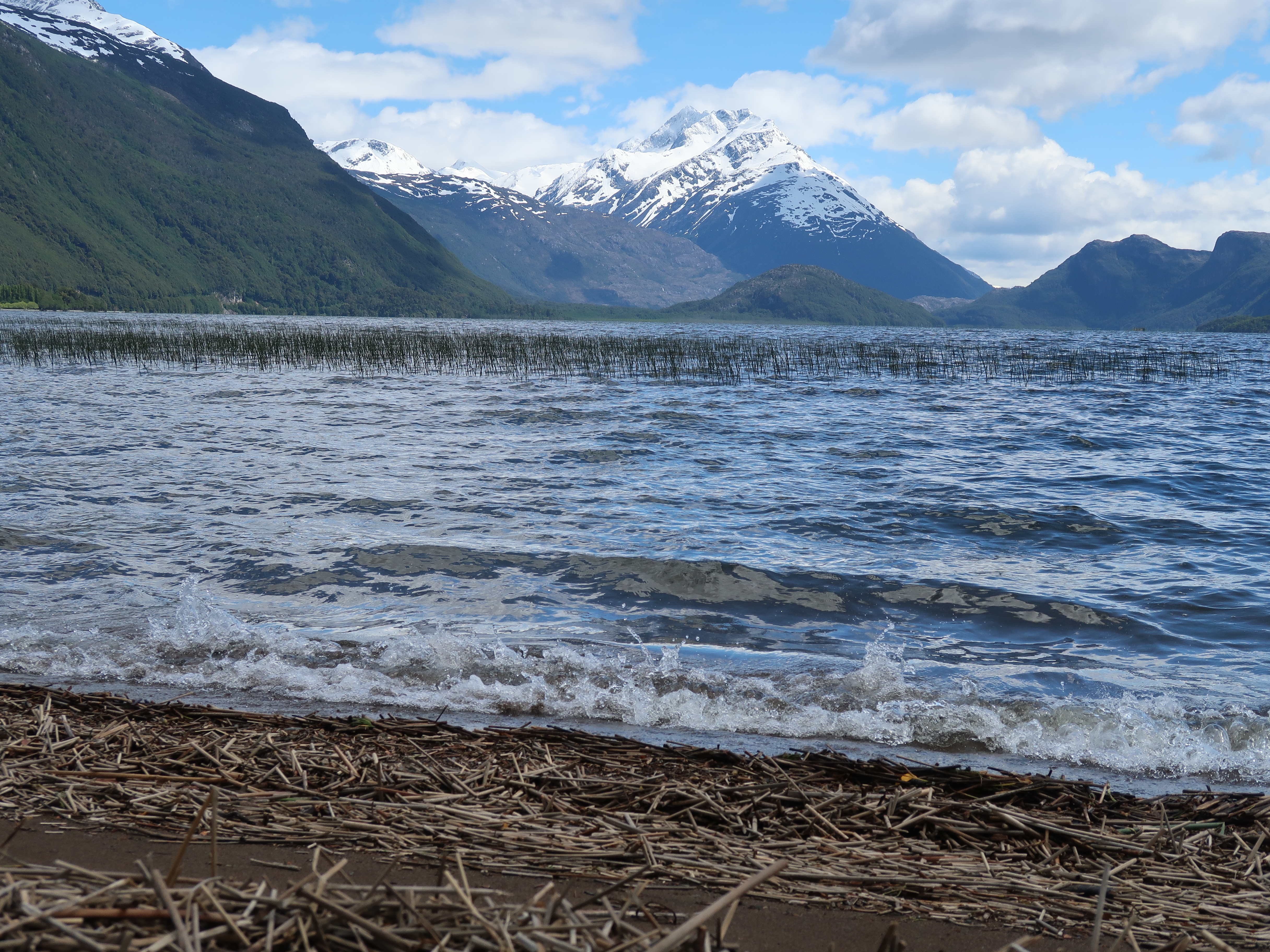
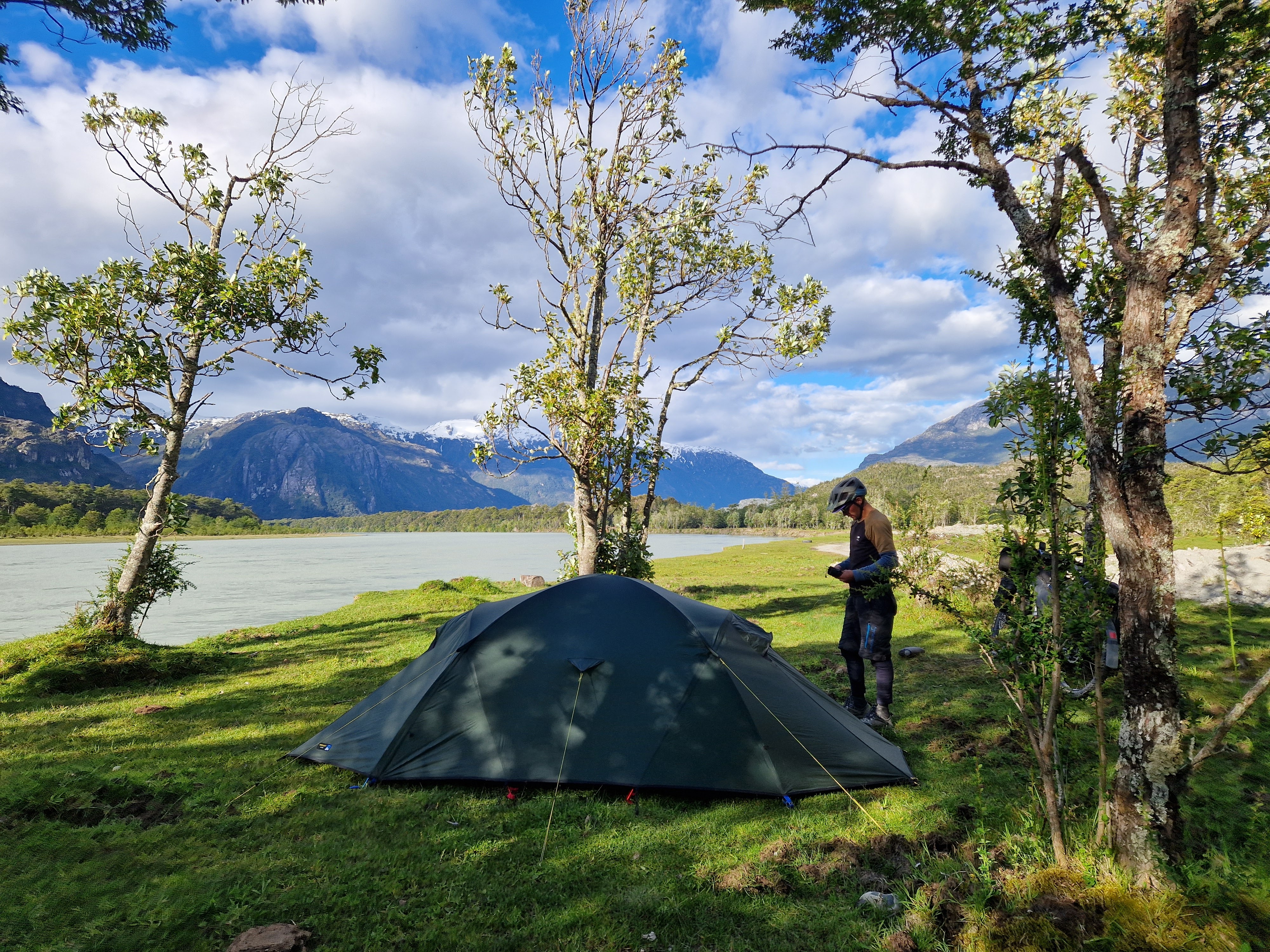
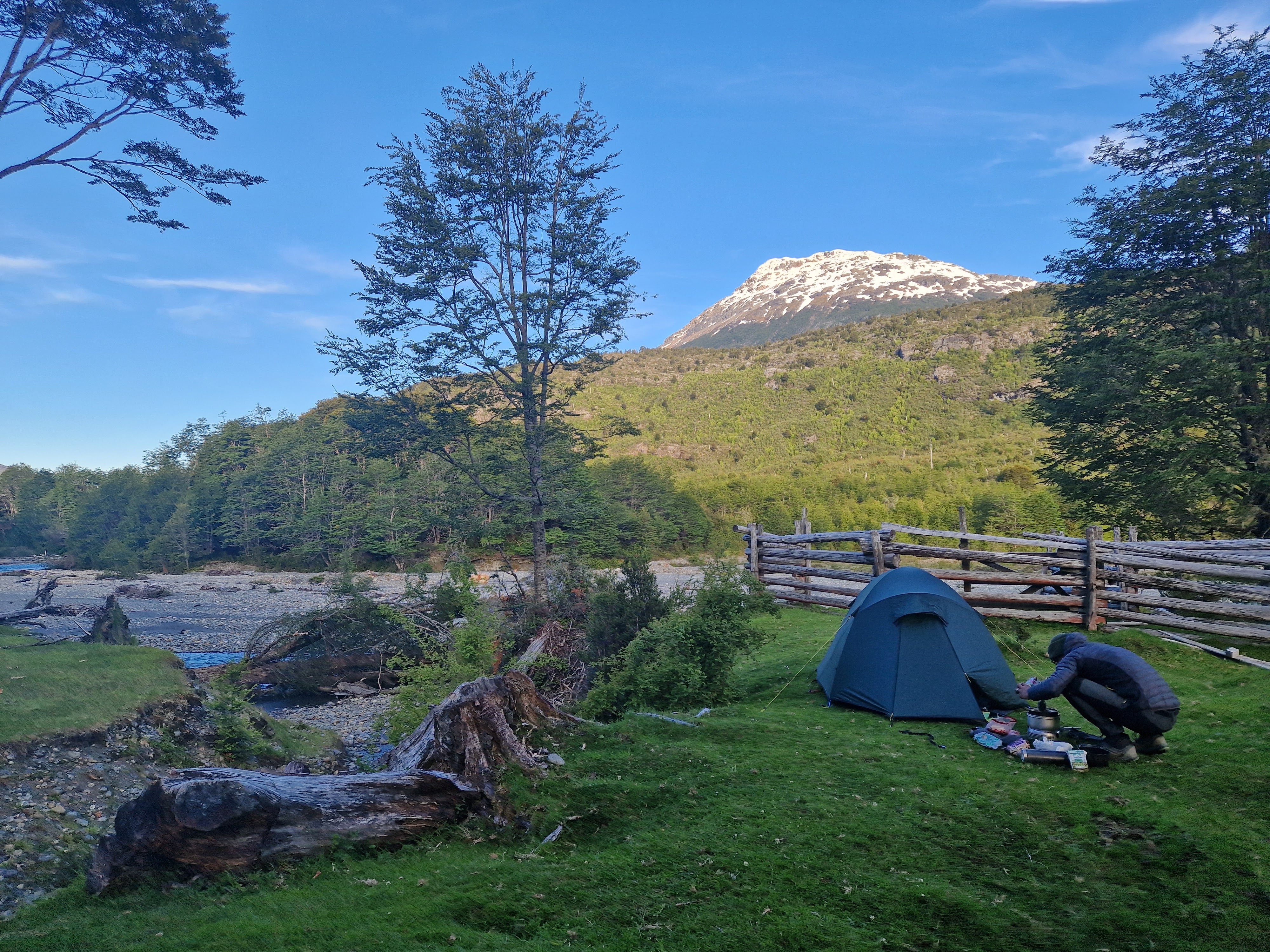
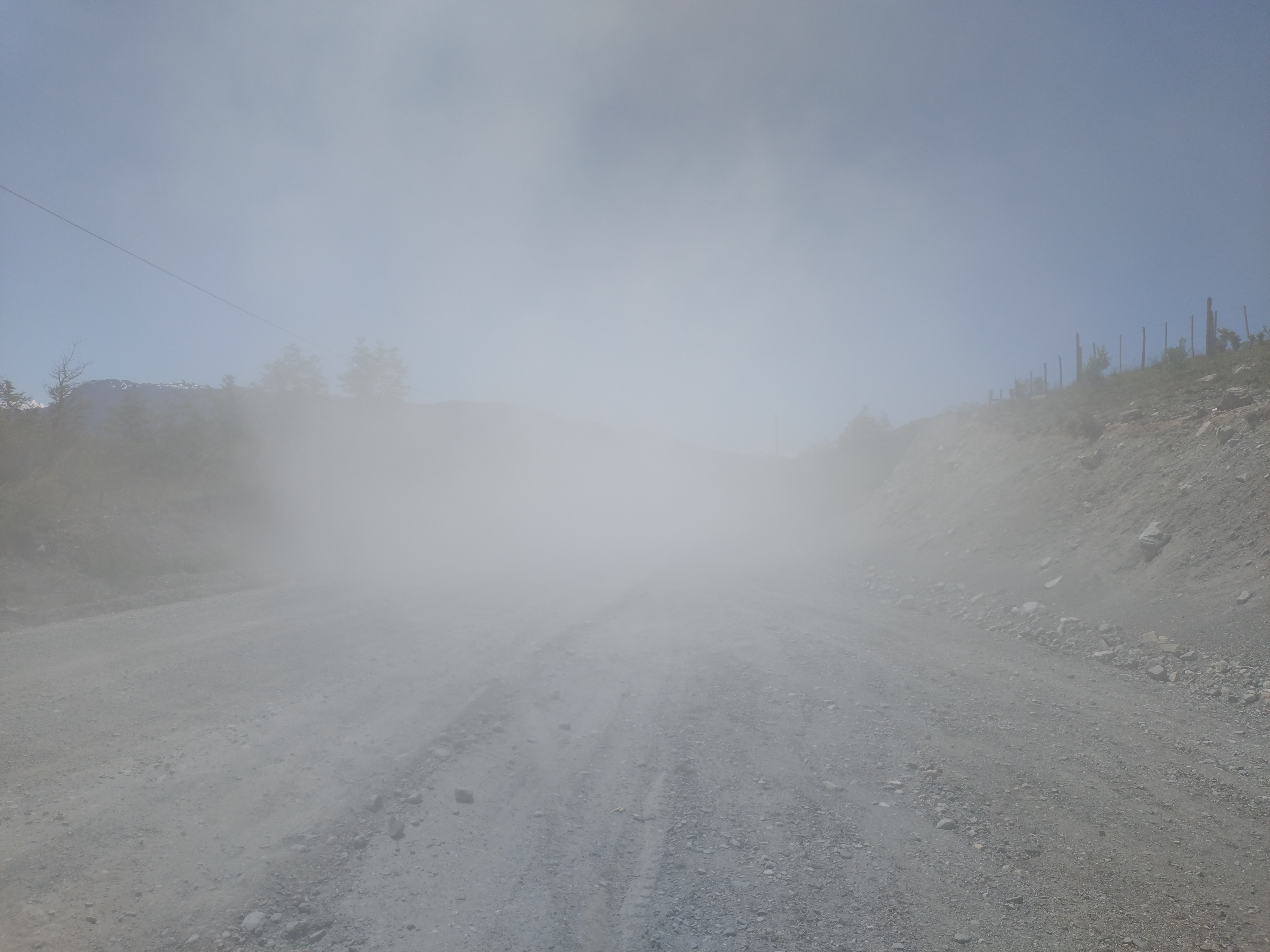
The Caraterra Austral is the name of the Ruta 7 road in Chile. It runs from Villa O’Higgins in the South to Puerto Monte in the North. It is an extremely popular classic cycle touring route, but the bottom section (of about 350km) is unpaved gravel, so is pretty shakey for many cycle tourists on skinny wheels with heavy loads. Despite our intention to spend as much time off road as possible on this trip, this classic is the main route North through Patagonia and there’s good reason. The scenery along the road is incredible, every corner, every hill top presents another unbelievable view of mountains, valleys, lakes, glaciers, rivers, gorges, forestry and waterfalls. It’s hard to describe it all, so again I’ll let the photos work their magic. Yes the road is unbelievably dusty (which isn’t great for my asthma or Ted’s sinuses which seem to block up everytime he gets on the bike!), and yes some of the vehicles are very inconsiderate of cyclists (not slowing down or giving us space), but all that is easily forgotten when you take a moment to look around you and absorb where you are. It’s pretty special.
Because Ted never loses anything
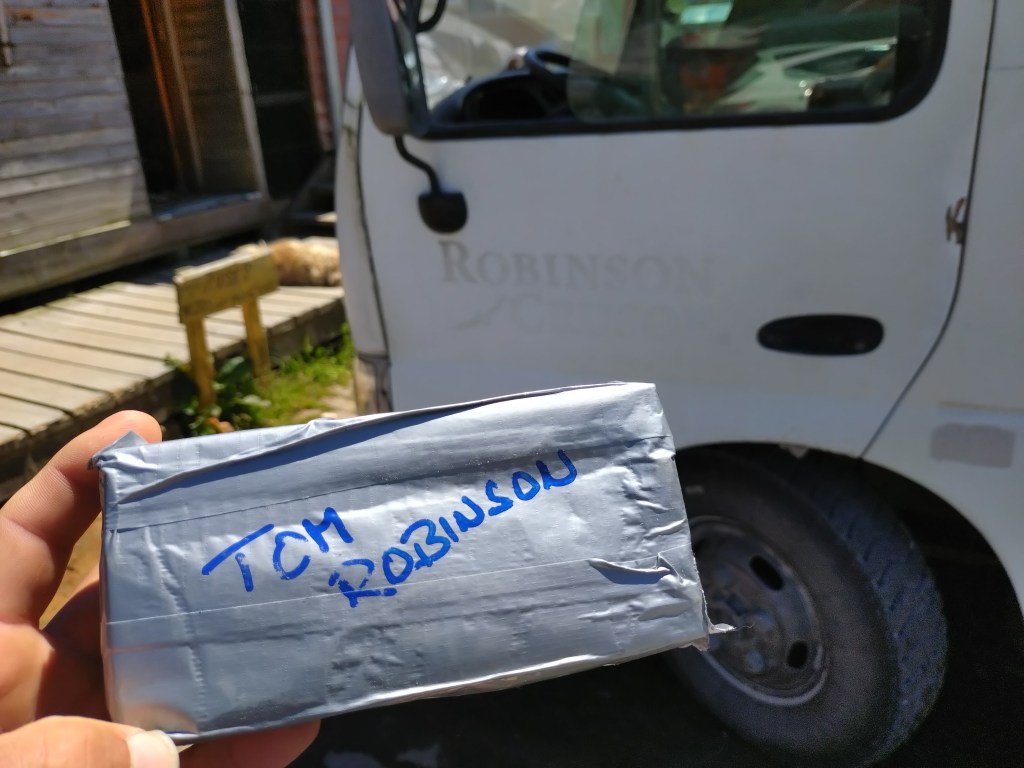
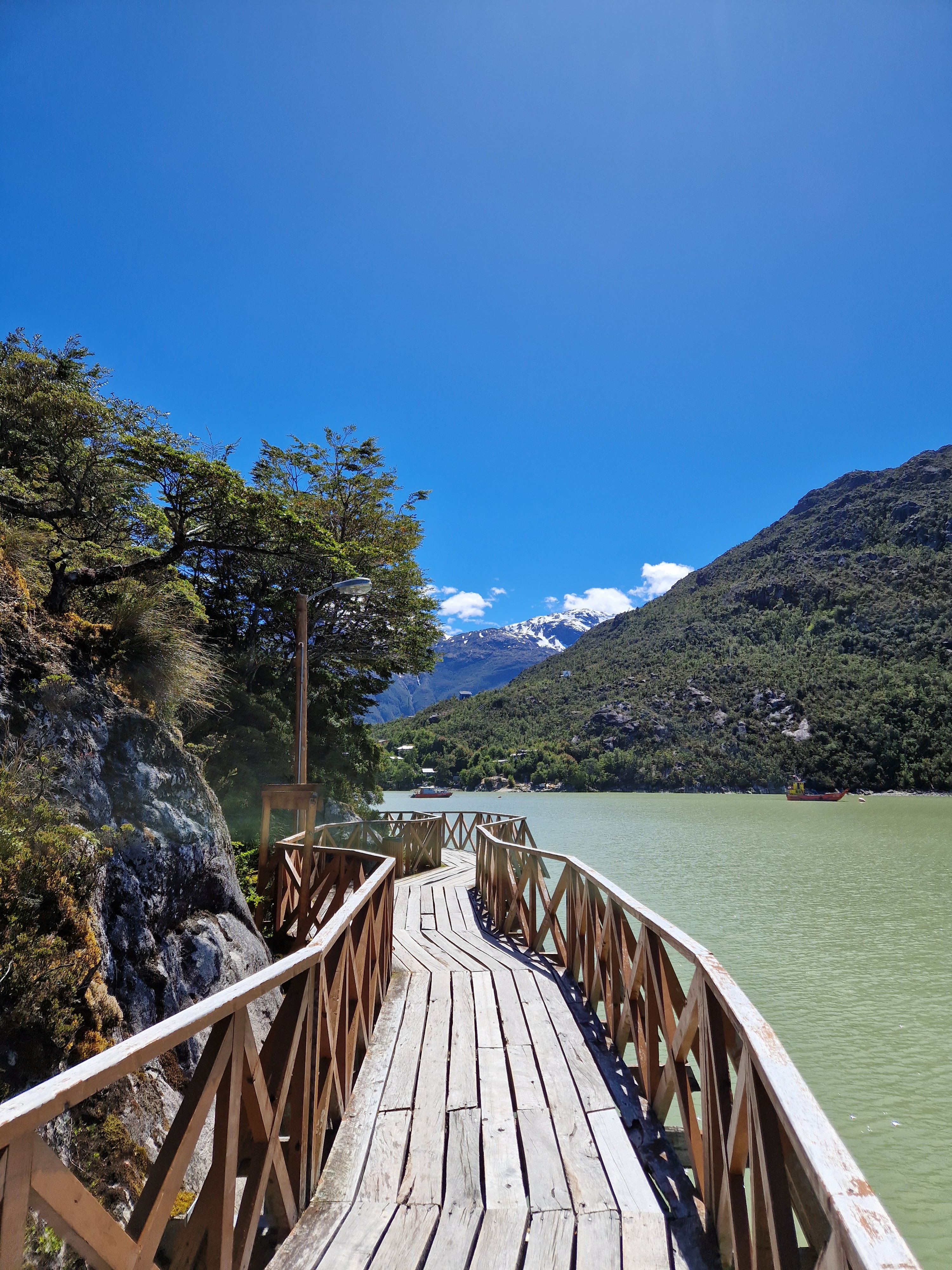
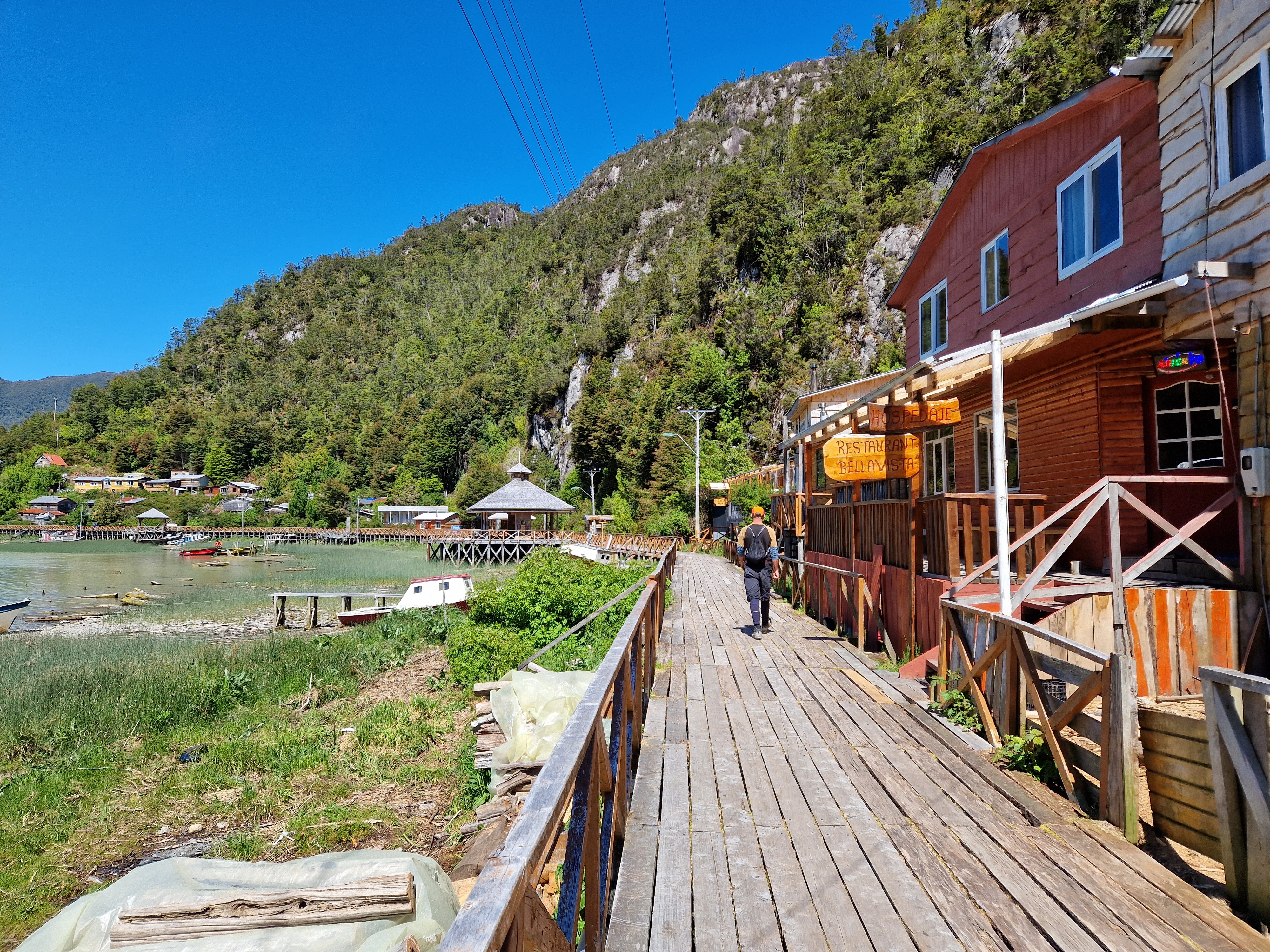
Ted frequently mentions in passing that he never loses anything. I don’t really believe that. I mean, for one, he left his cycle helmet in a café in El Chalten for a couple of hours, but thankfully it was still there when he realised. Secondly, he left his waterproof coat at one of our lunch spots, and was grateful that the wind hadn’t whipped it away when he cycled back to retrieve it. And thirdly, he left his leatherman tool (which is our only, and therefore essential, multi tool) on a rock at our campsite before our ferry crossing to Villa O’Higgins. Ted obviously had no desire to repeat the ferry crossing, and on speaking to the amazing staff at the hostel they had no qualms in contacting the campsite owner, who went in search of the leatherman and somehow found it. Despite the long and slightly complex journey of a boat, then a car, then a bus, then a bus on a boat(!) we were casually assured that if we set off cycling, the leatherman tool would come on an adventure of its own and meet us in Tortel (2 days ride away). Tortel is a unique village, nestled onto the edges of a sheltered fjord at the west of Patagonia. The village is entirely built over the fjord, with wooden walkways and platforms linking the buildings, which are all built on stilts. The water of the fjord is glacial blue and the steep sided fjord is tree lined right to the waters edge, so on first glance it looks more like Fiji than Patagonia. We were really pleased to have made the effort to detour to such an amazing place to meet the leatherman. Miraculously, at 1pm just as planned, the bus pulled up and as Ted told the bus driver his name, the package containing the leatherman was handed to him. Amazing. We marvelled at all the kind people who’d helped to get it back to us. We thought about how it was the people in this tale that had made it all work. In the UK we are likely to have been told to fill out a form or two or three, and it’s likely to have been lost forever! So strictly speaking Ted may have not lost anything (just yet), because he’s always managed to get it back or find it – miraculously!! But I suppose it depends on your definition of lost, right!?!
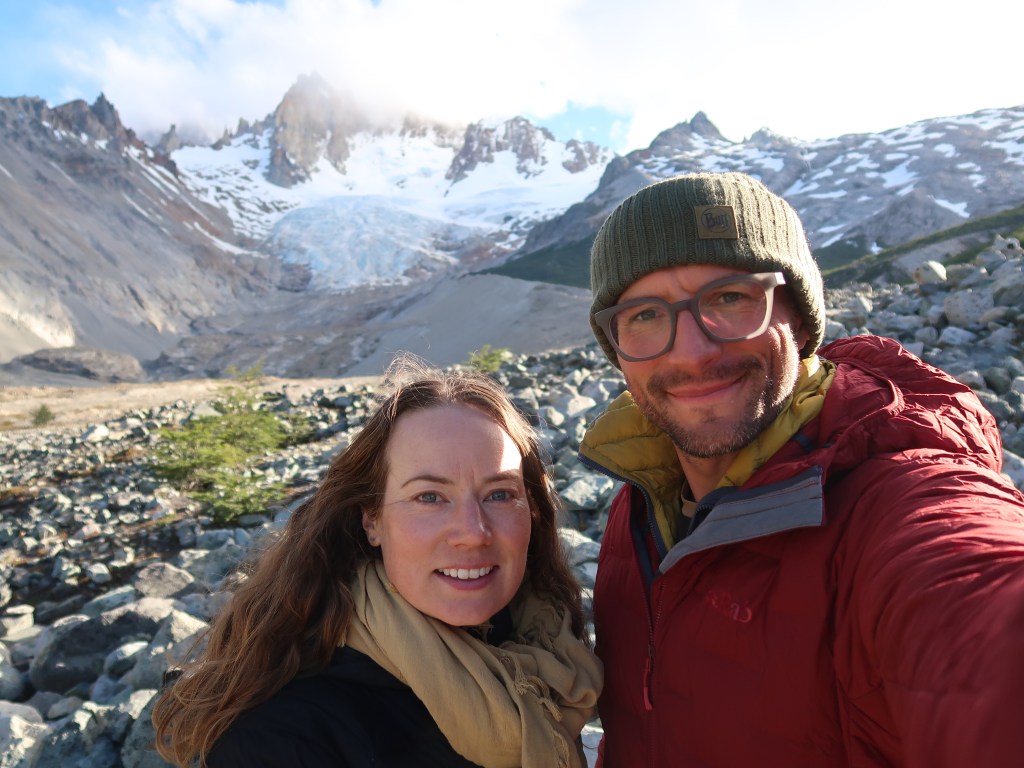
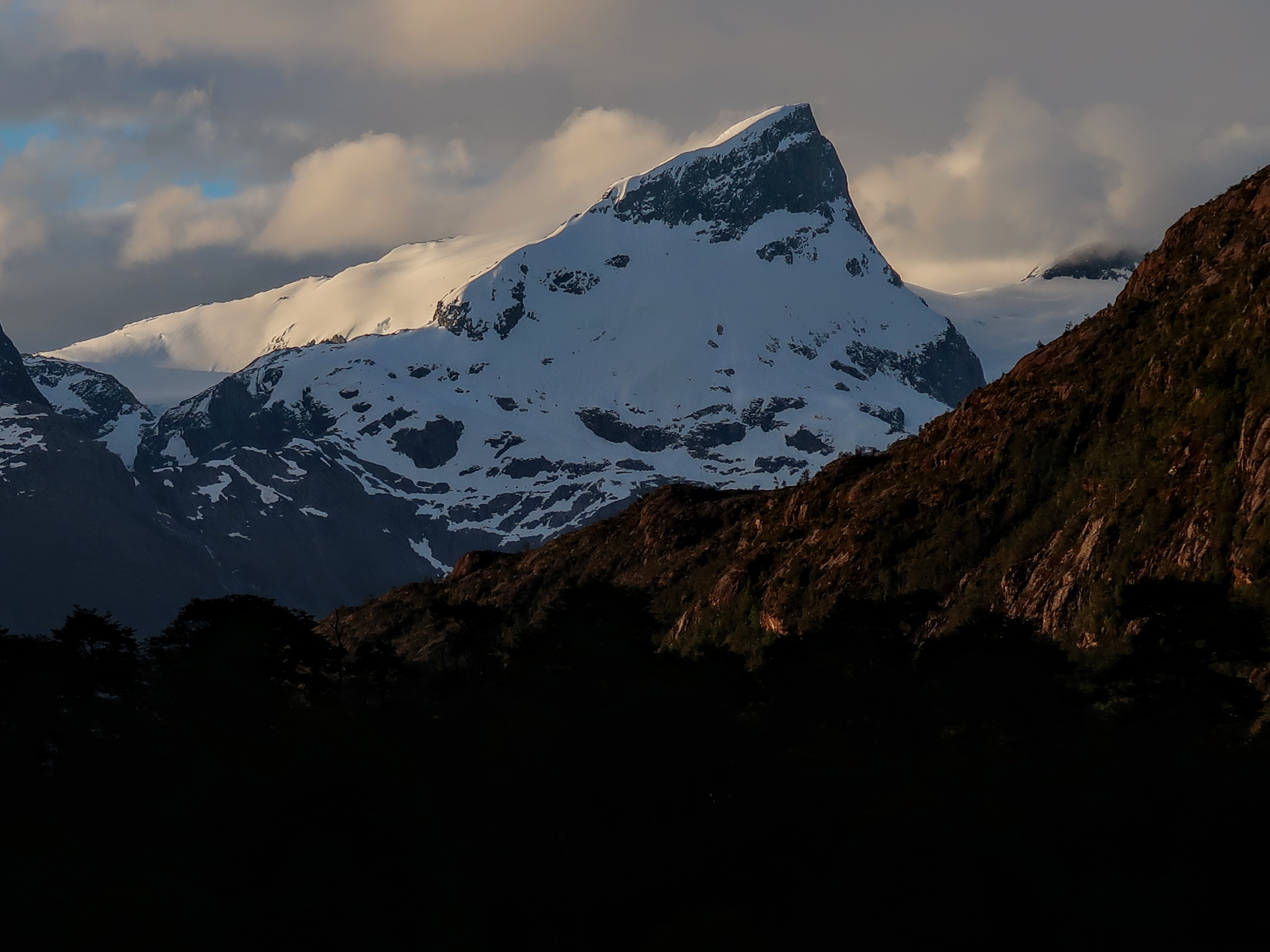
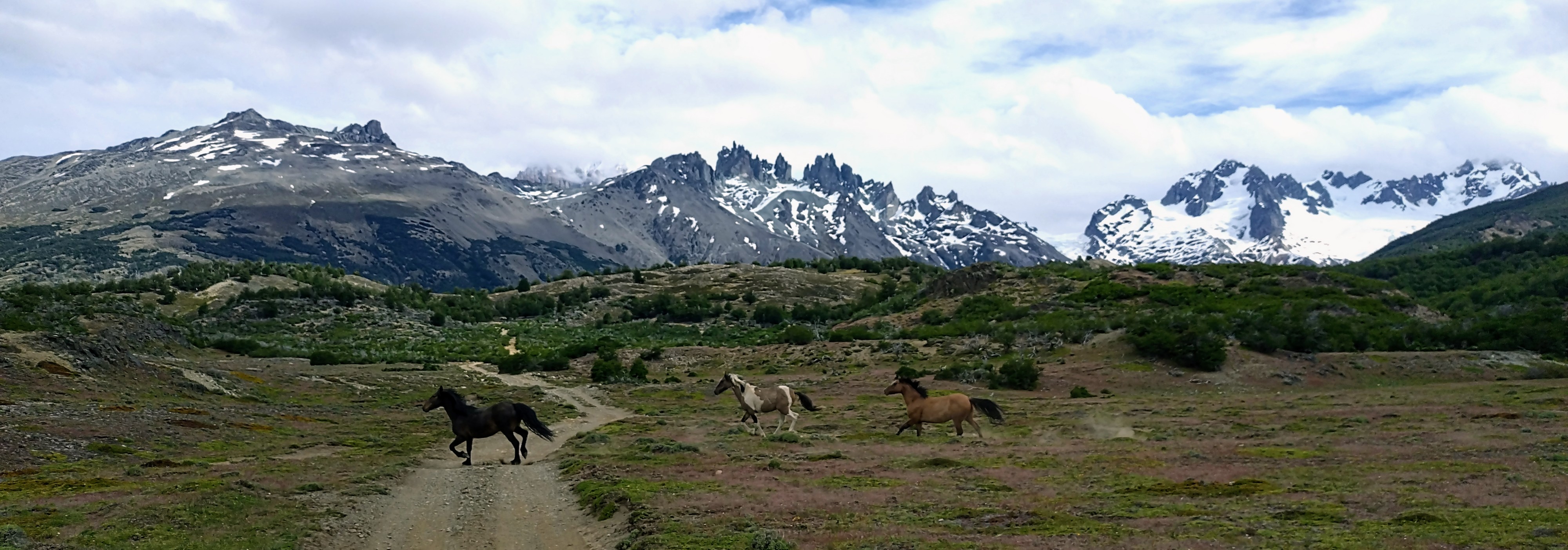
So this brings me right back up to date. And although I started writing this post in the refugio, I’m finishing it off back at the Estancia. Our time at the refugio was definitely an experience to remember. We hiked up to the edge of the glacier and watched the swirling clouds roll over the mountain peak, and marvelled at just how small standing in front of it makes you feel. We could hear the noise of the creaking, booming glacier even from inside the hut. We slept in front of the stove to keep us warm (and to be within reaching distance of the kettle, obviously!) and hiked back to the Estancia the following day. Again, the photos try to capture some of the magic and do better than my description can, but it’s still nothing quite like actually being here. Sometimes it feels like looking at the views here is like staring at a postcard or a poster, or the beginning of an old school movie right before the Paramount lion appears, you expect to blink and the scene to have changed but it doesn’t – it’s actually real!
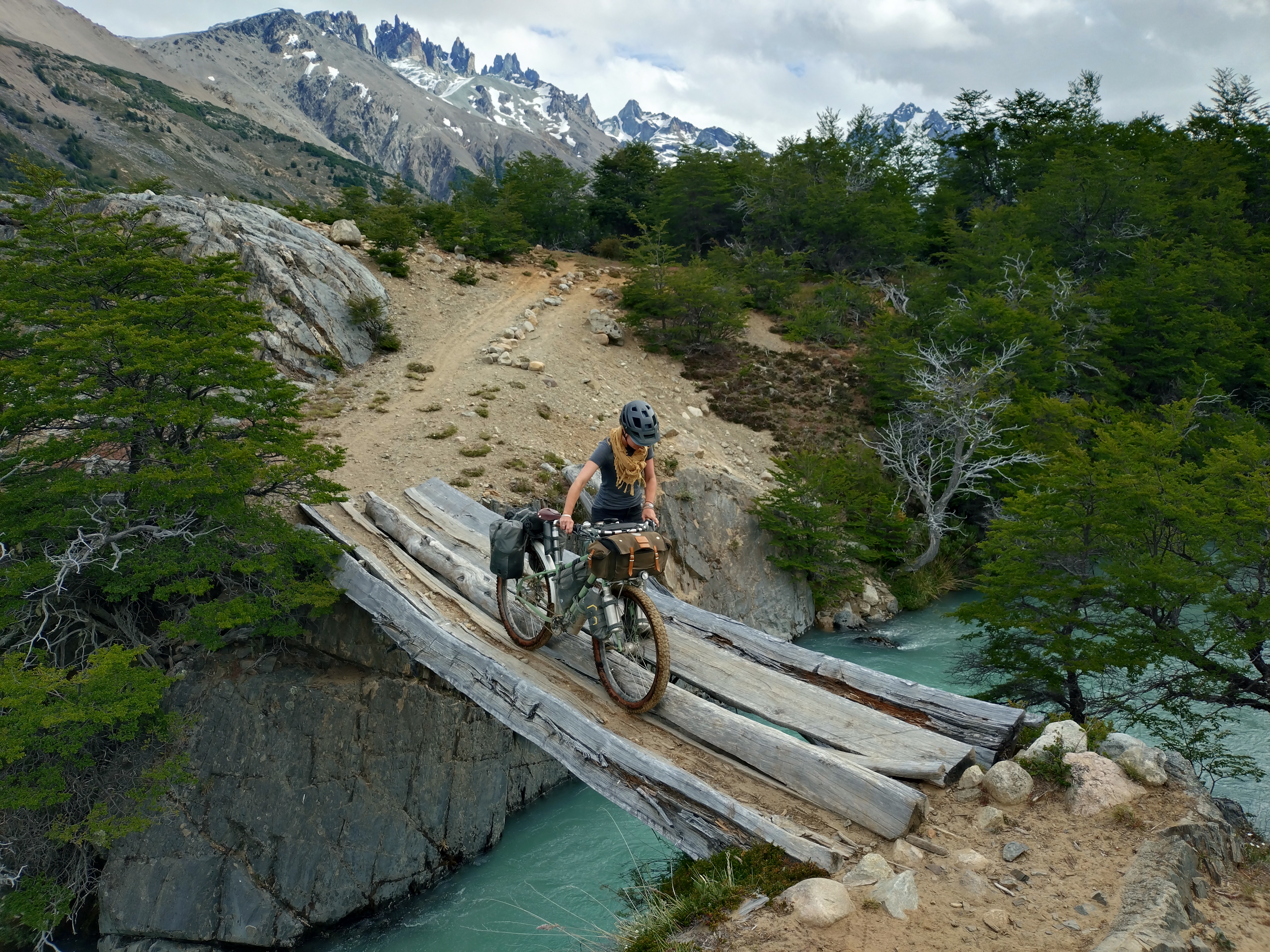
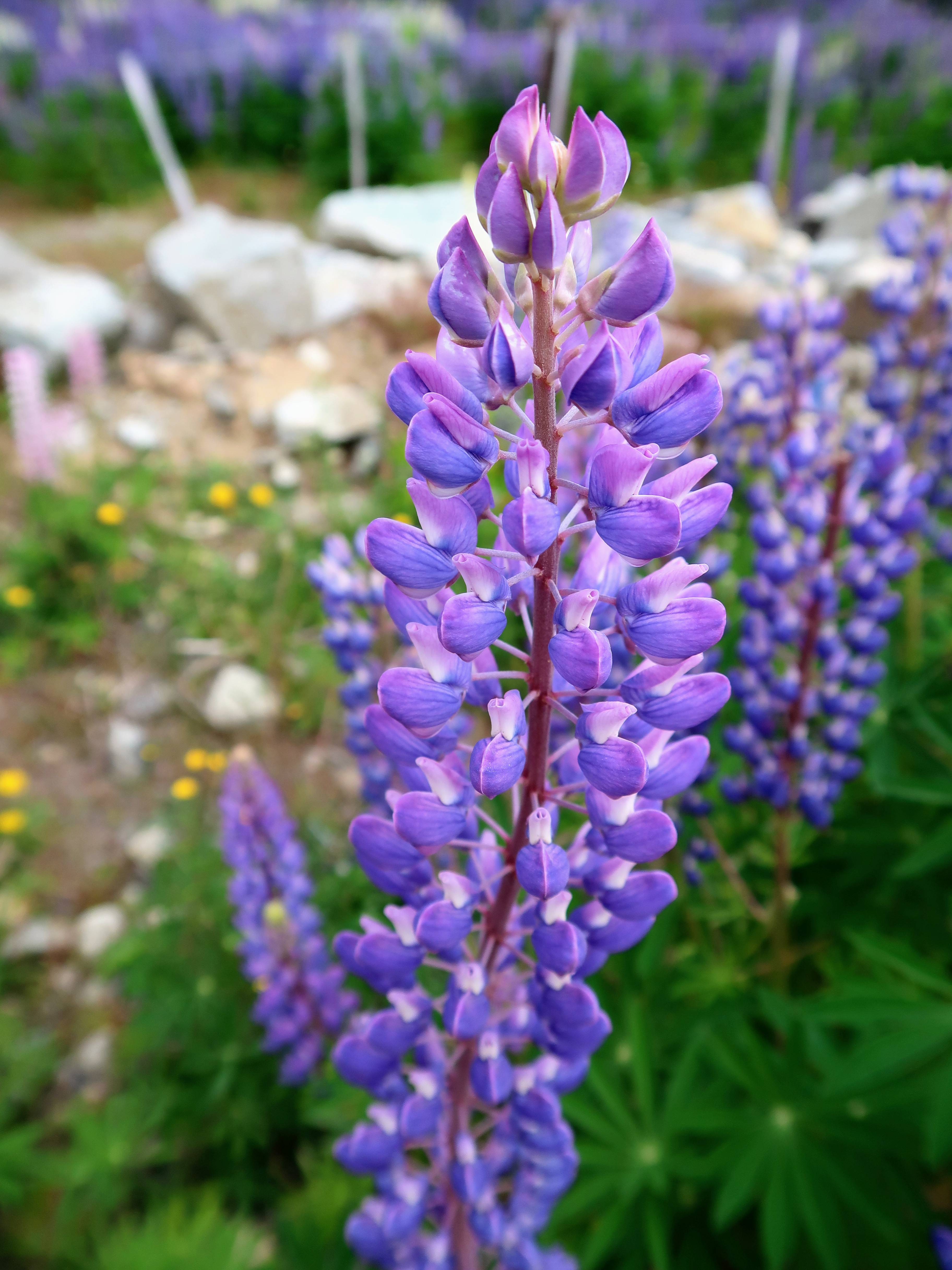
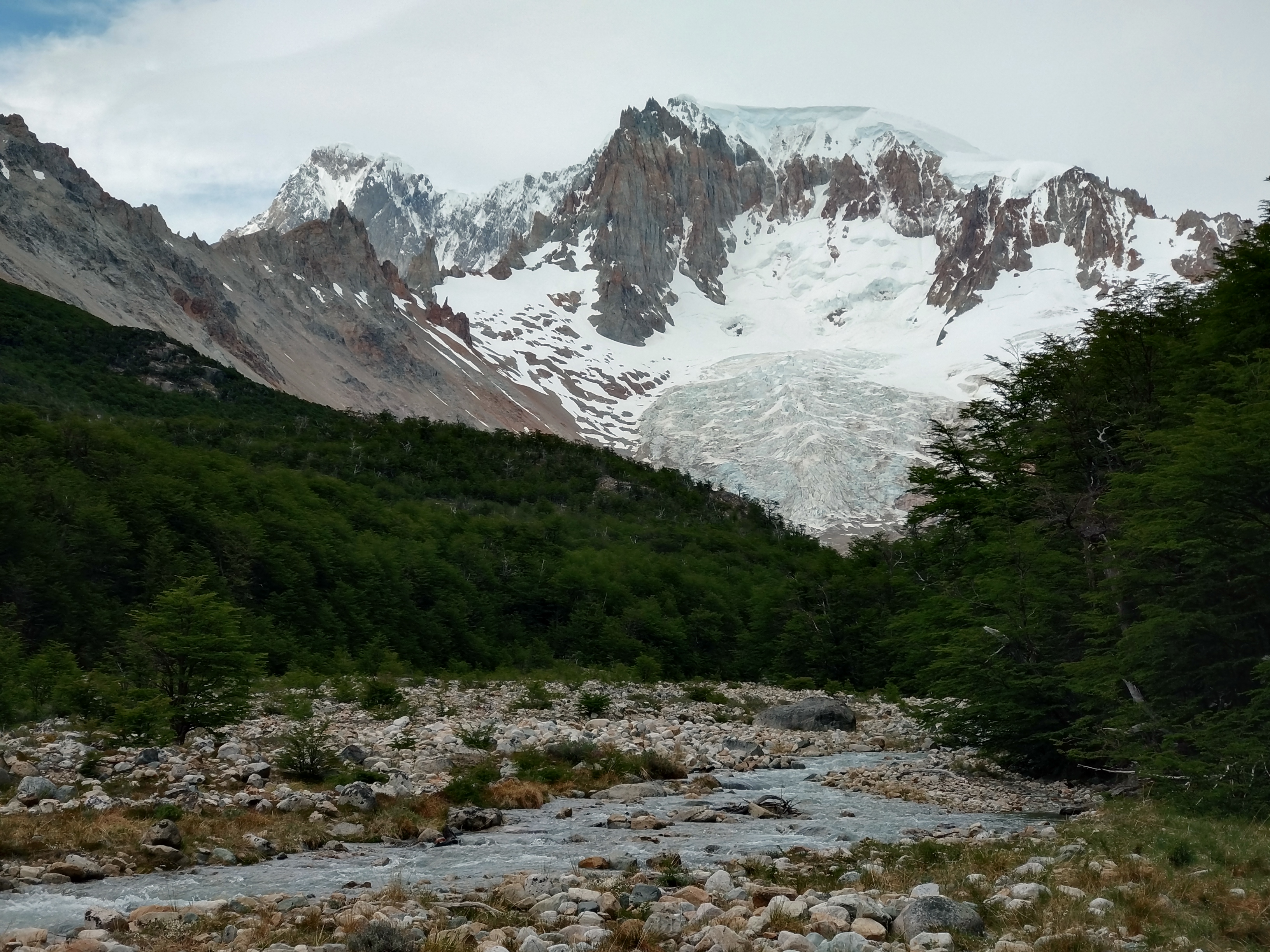
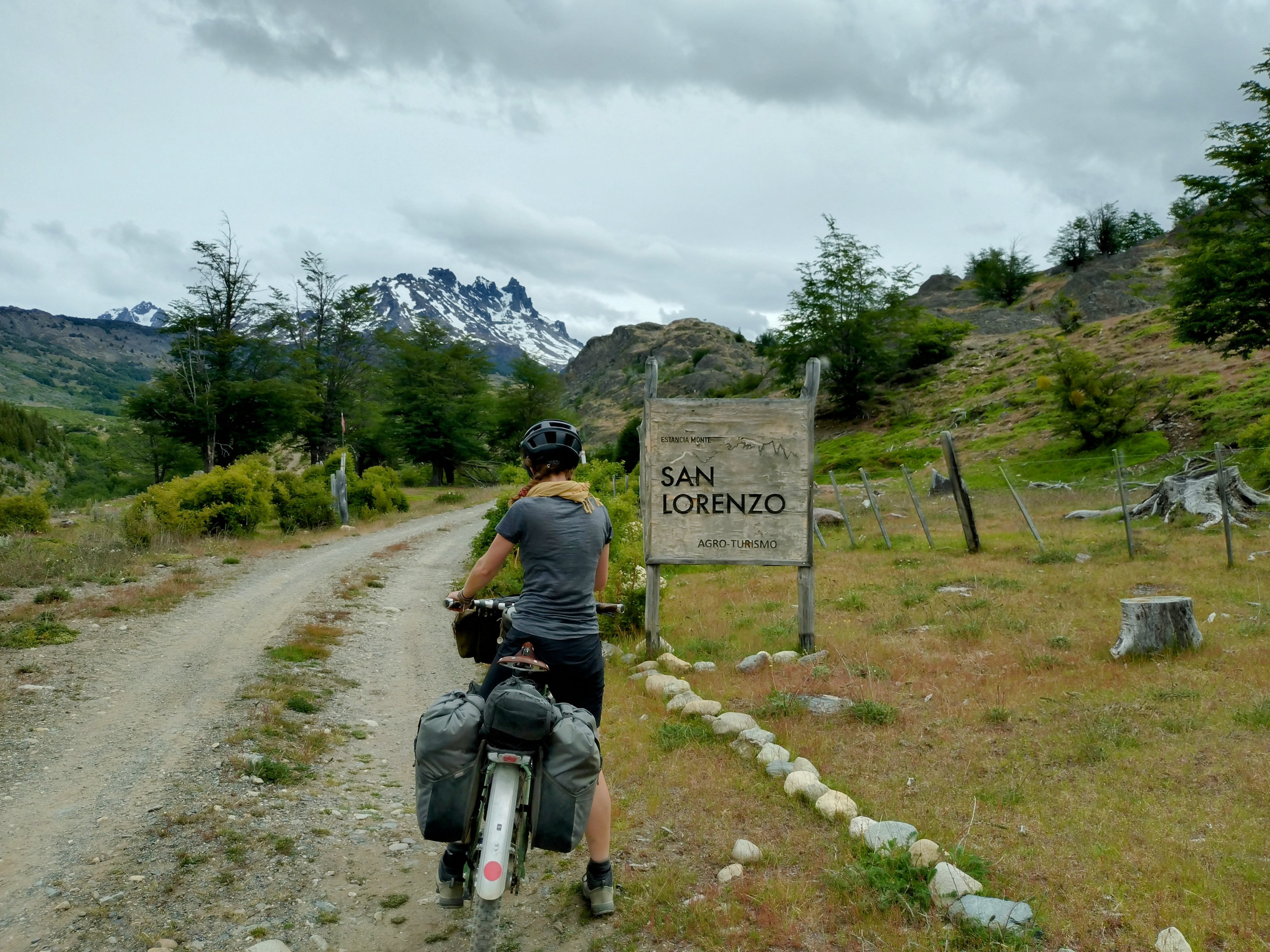
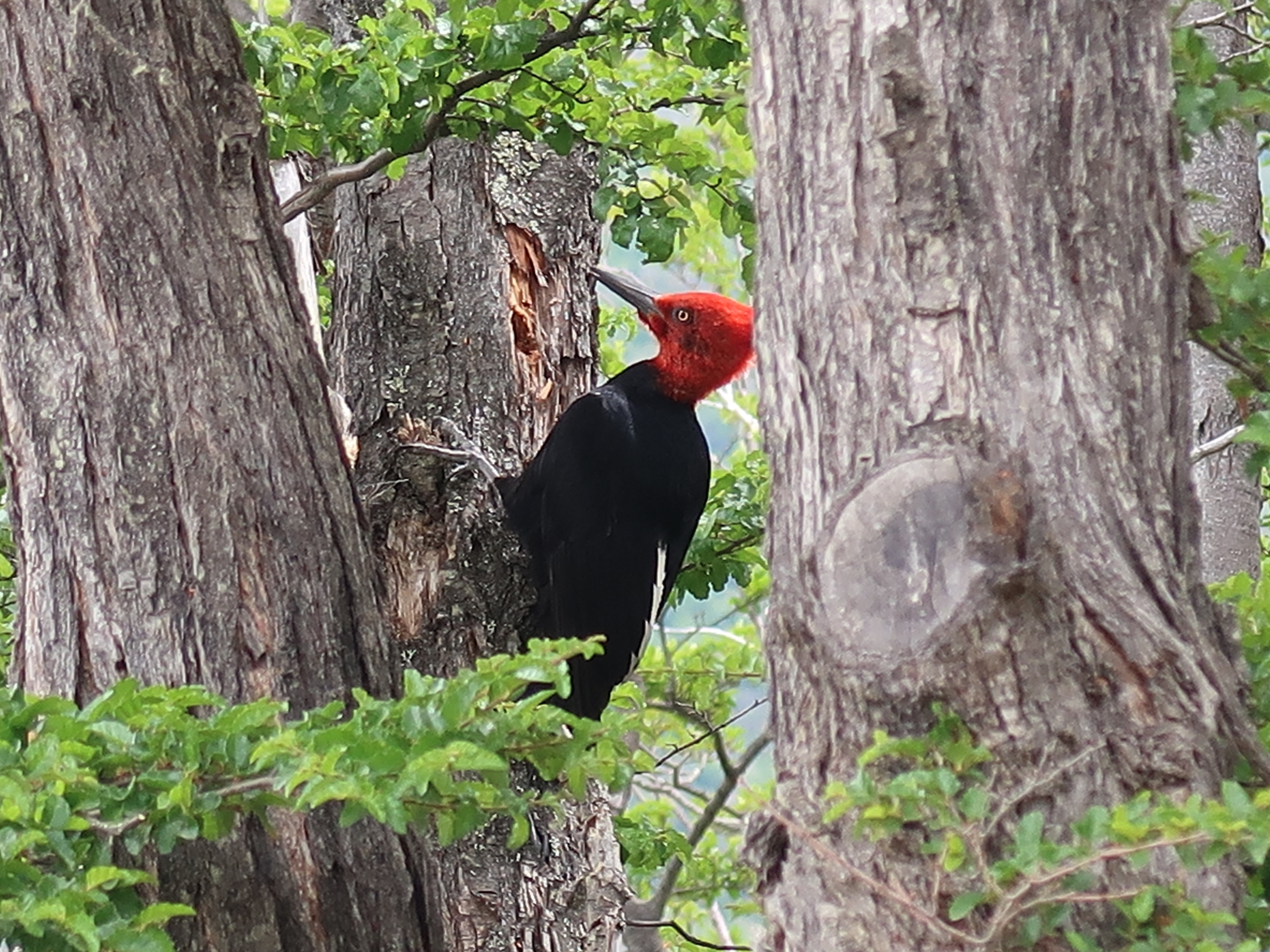
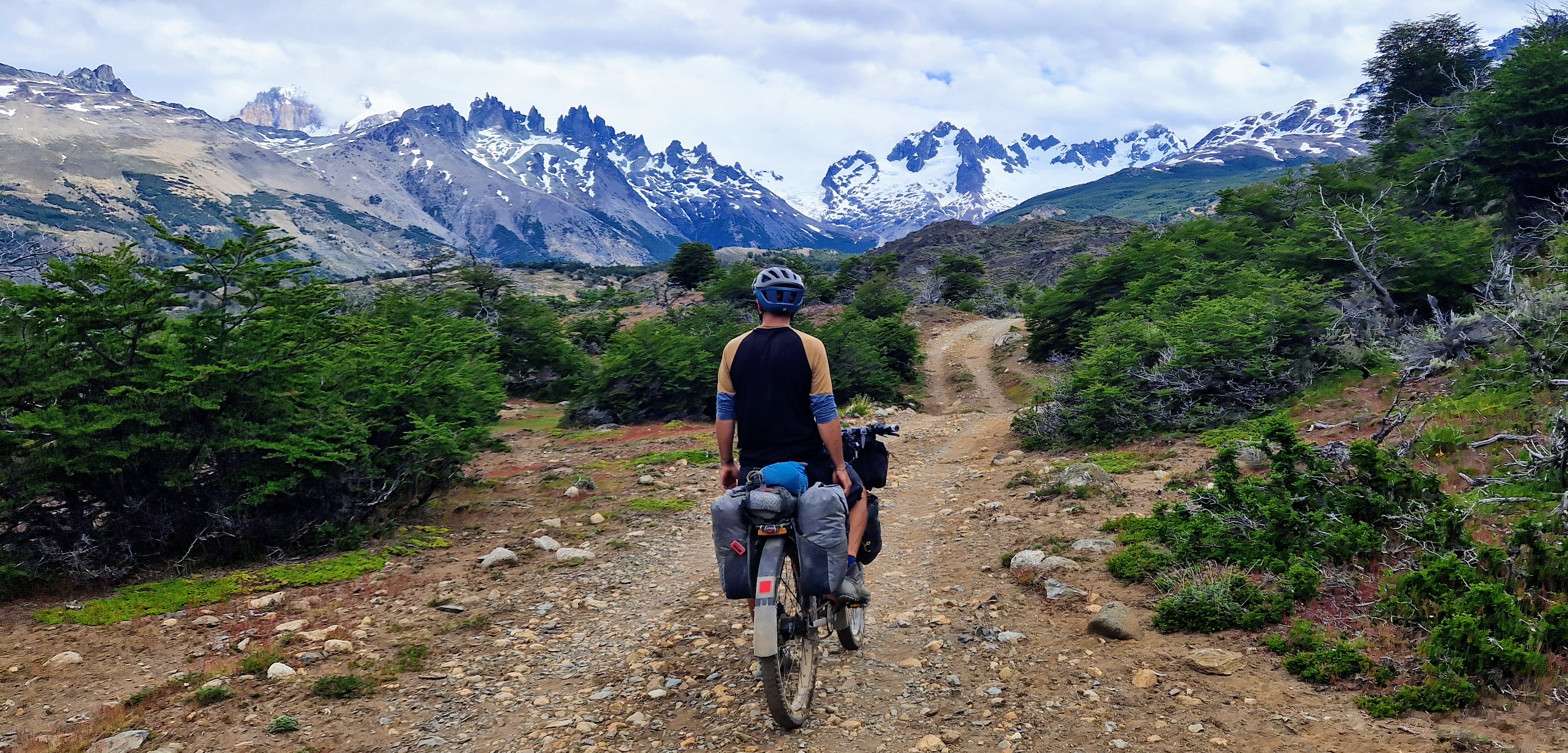
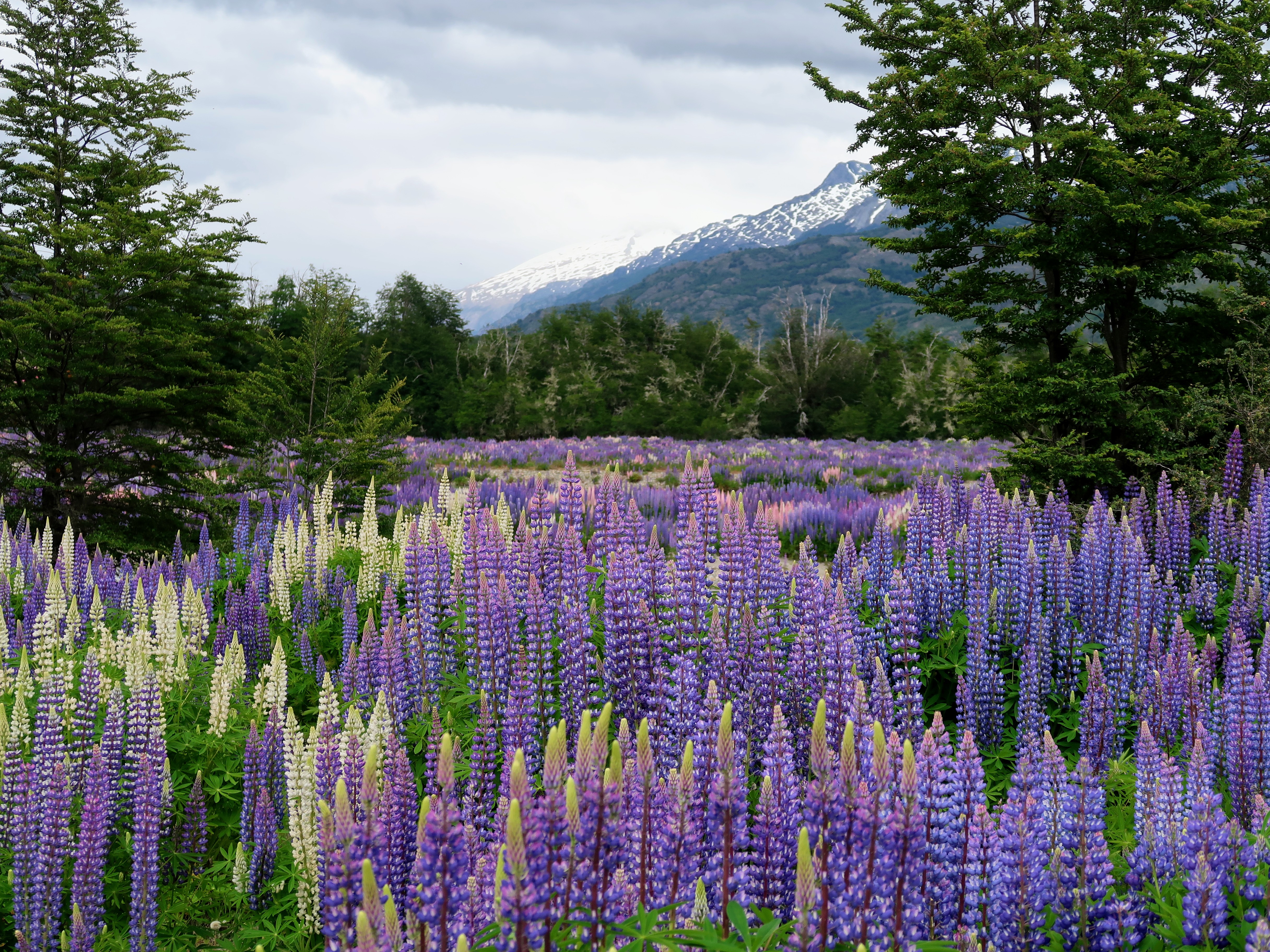
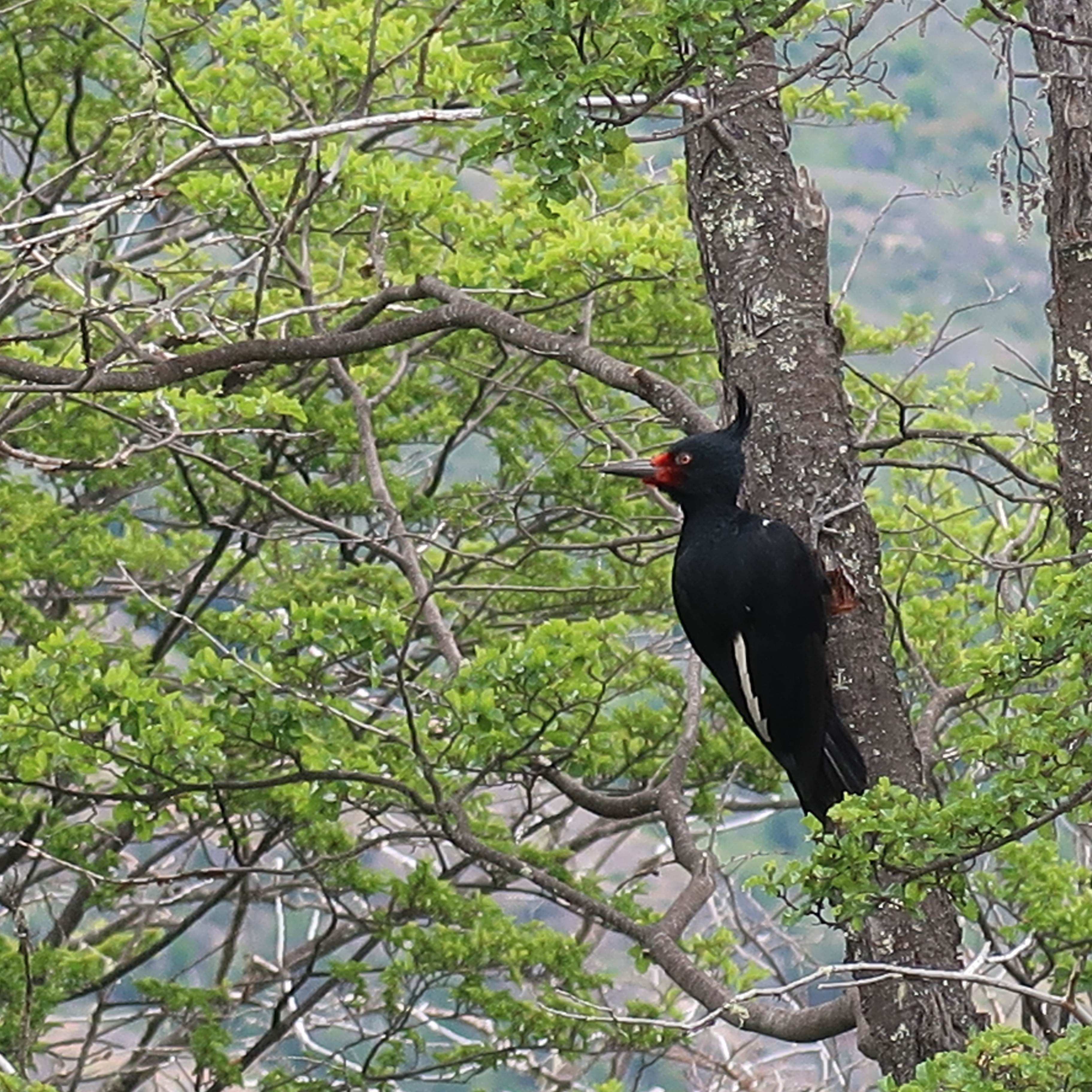
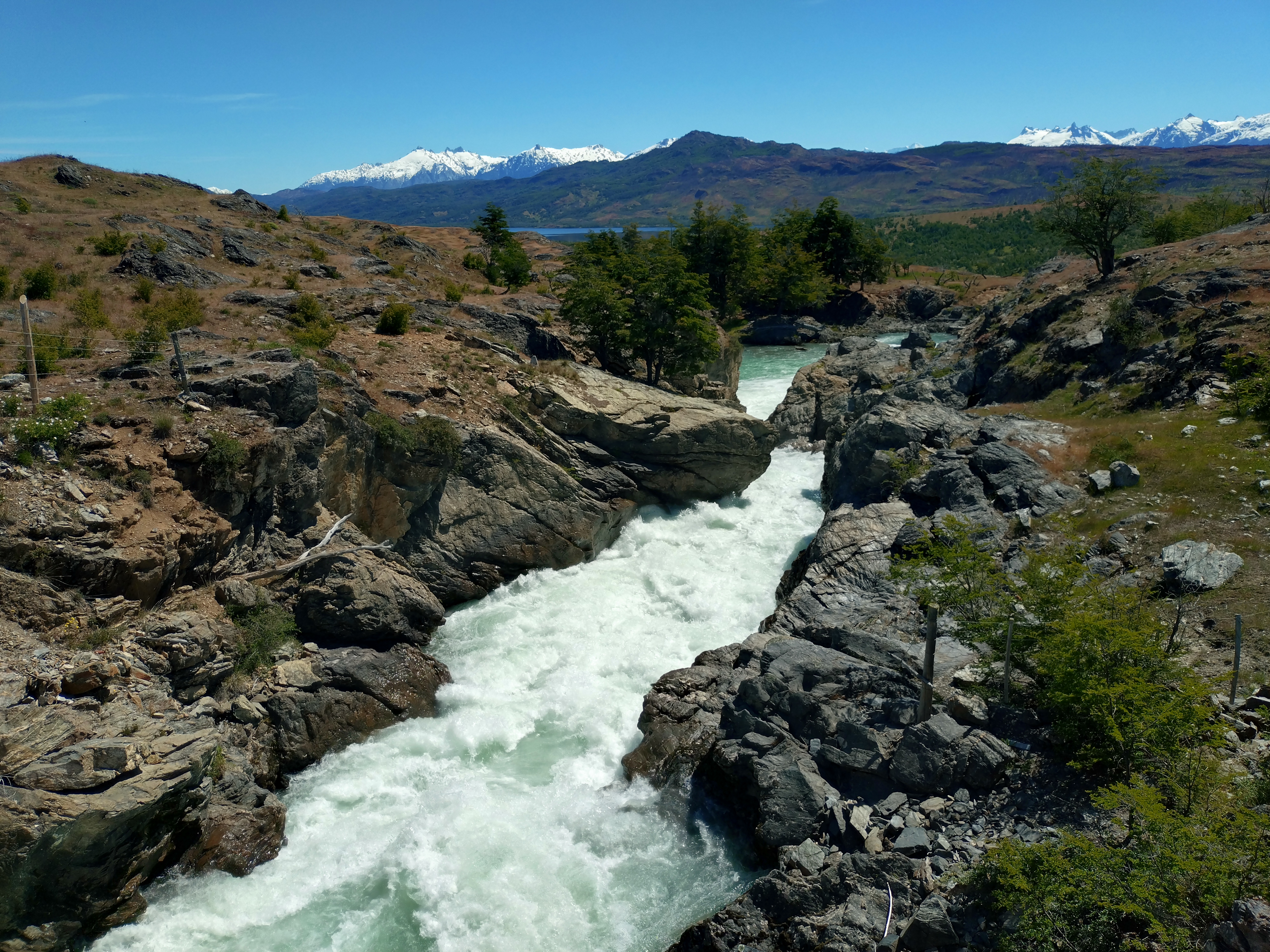
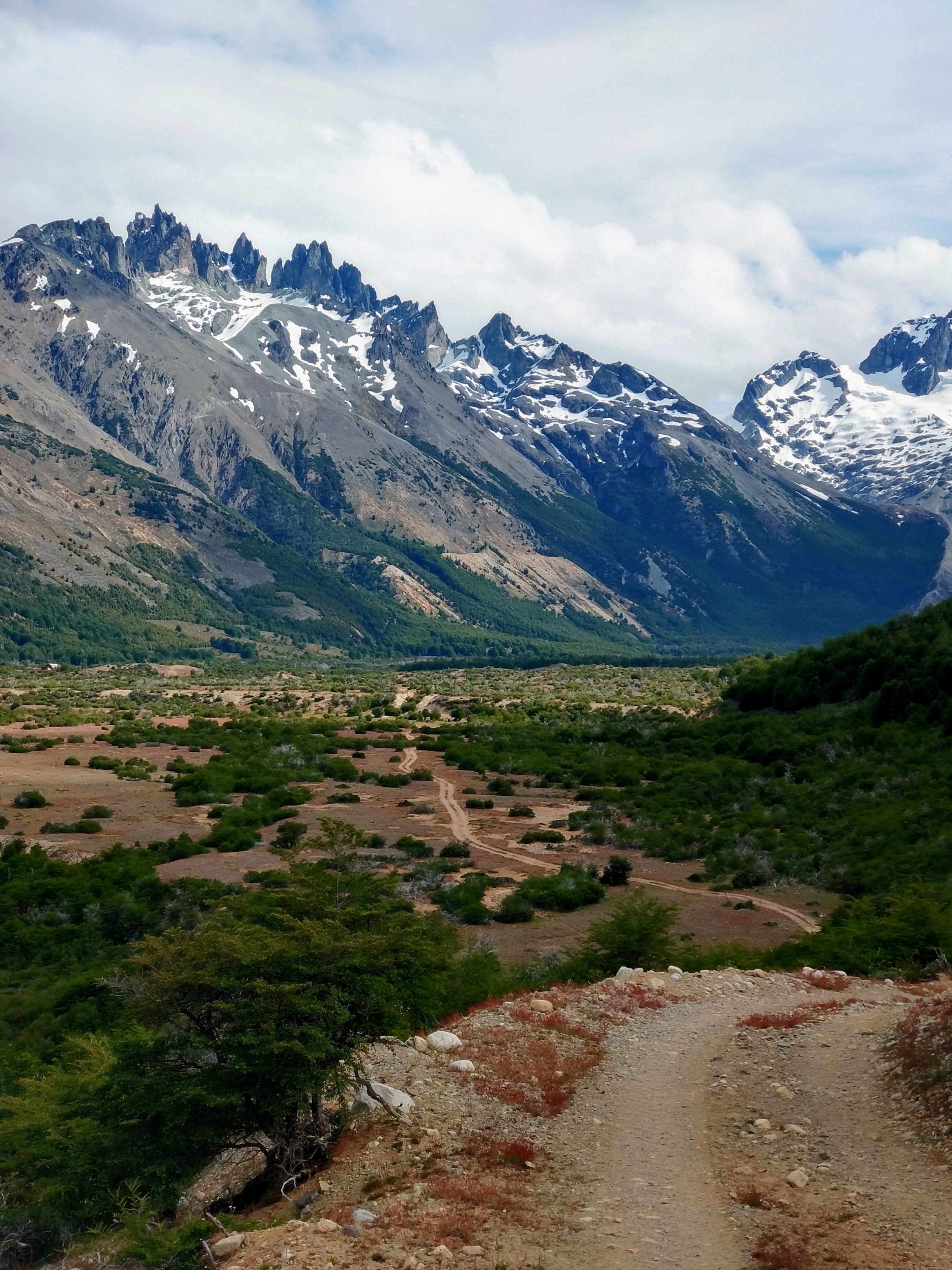
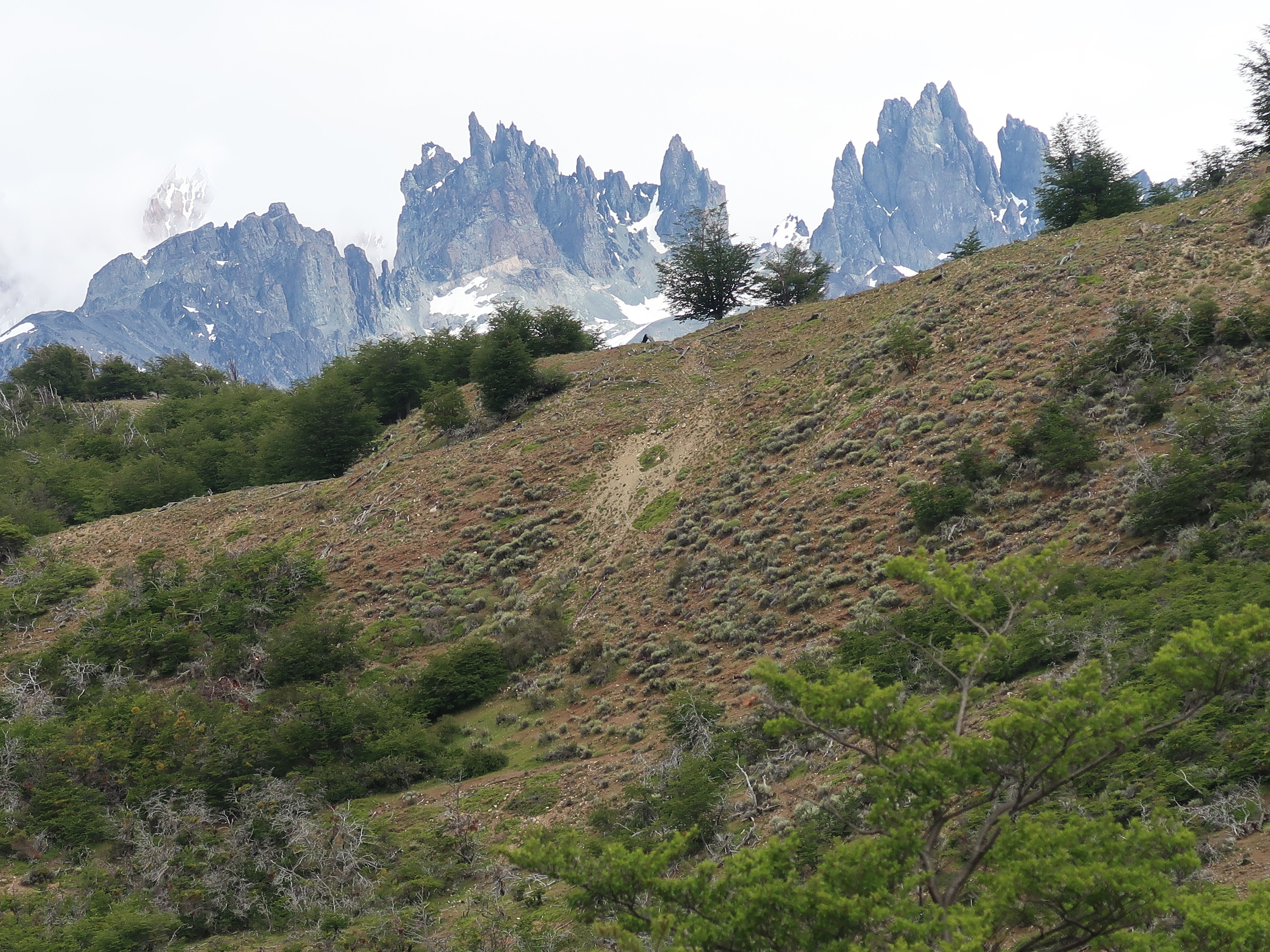
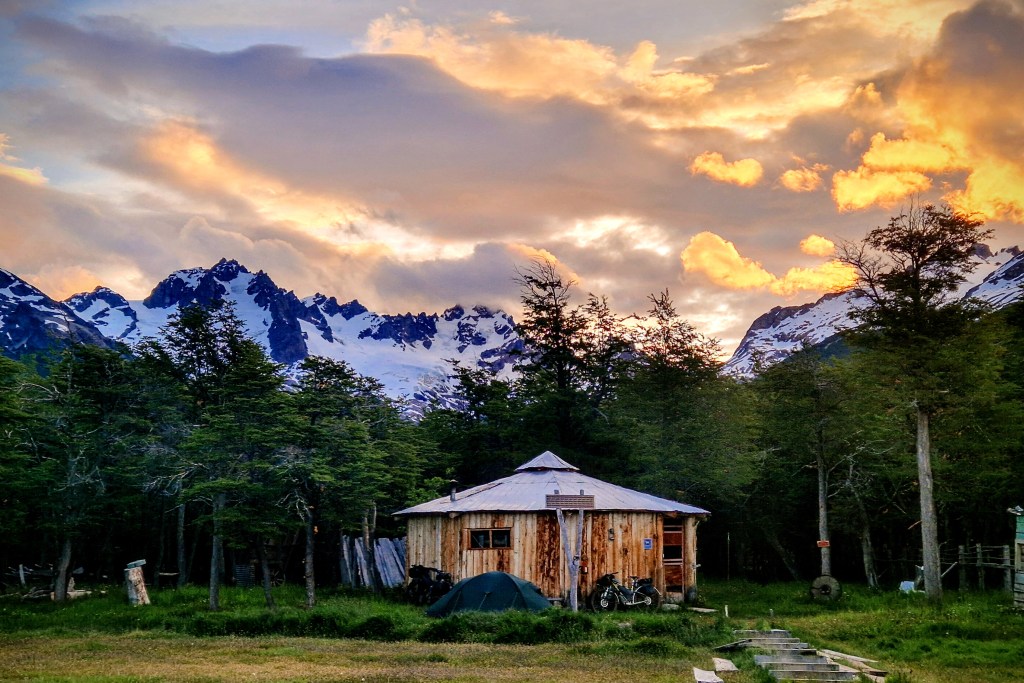
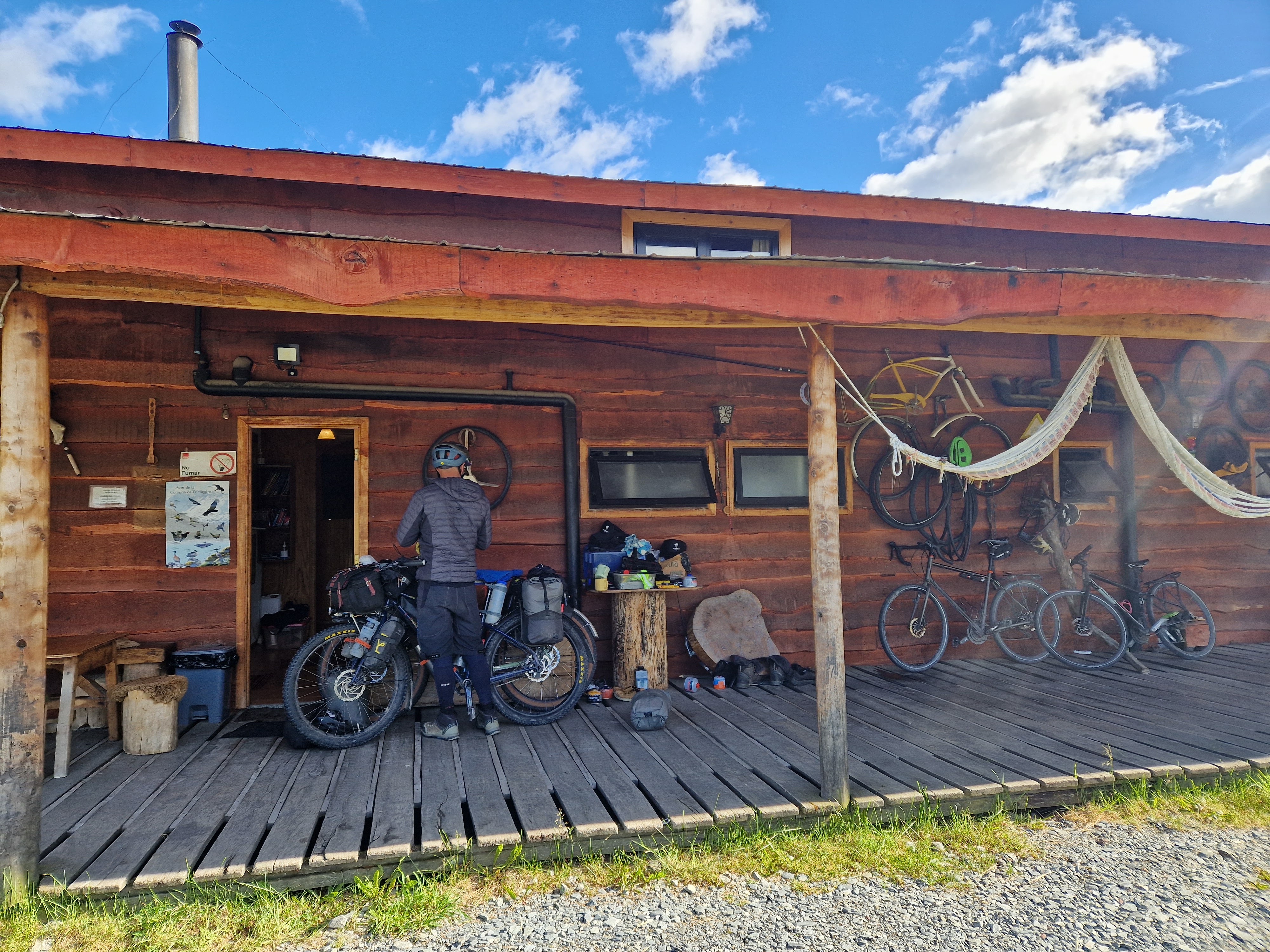
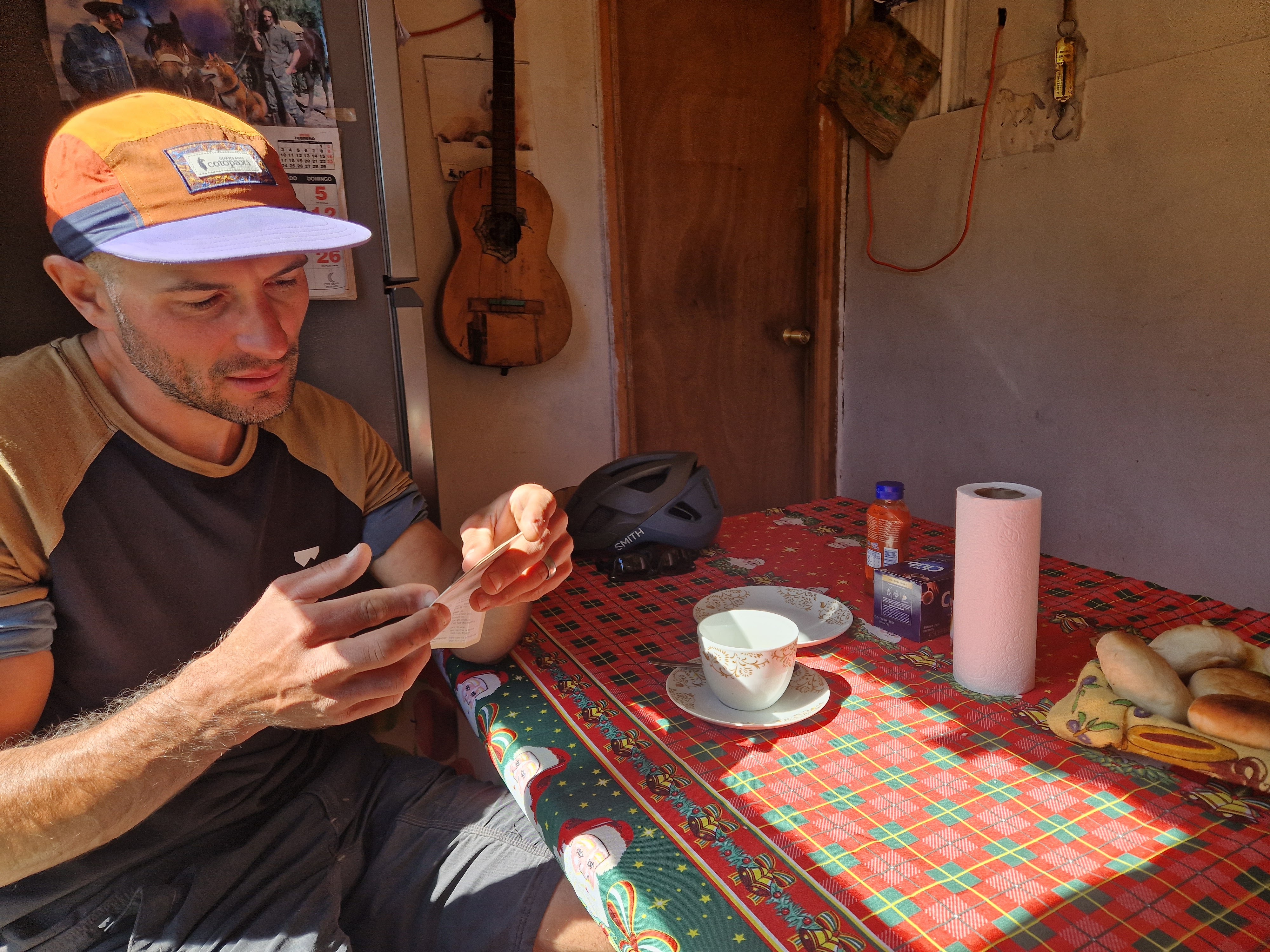
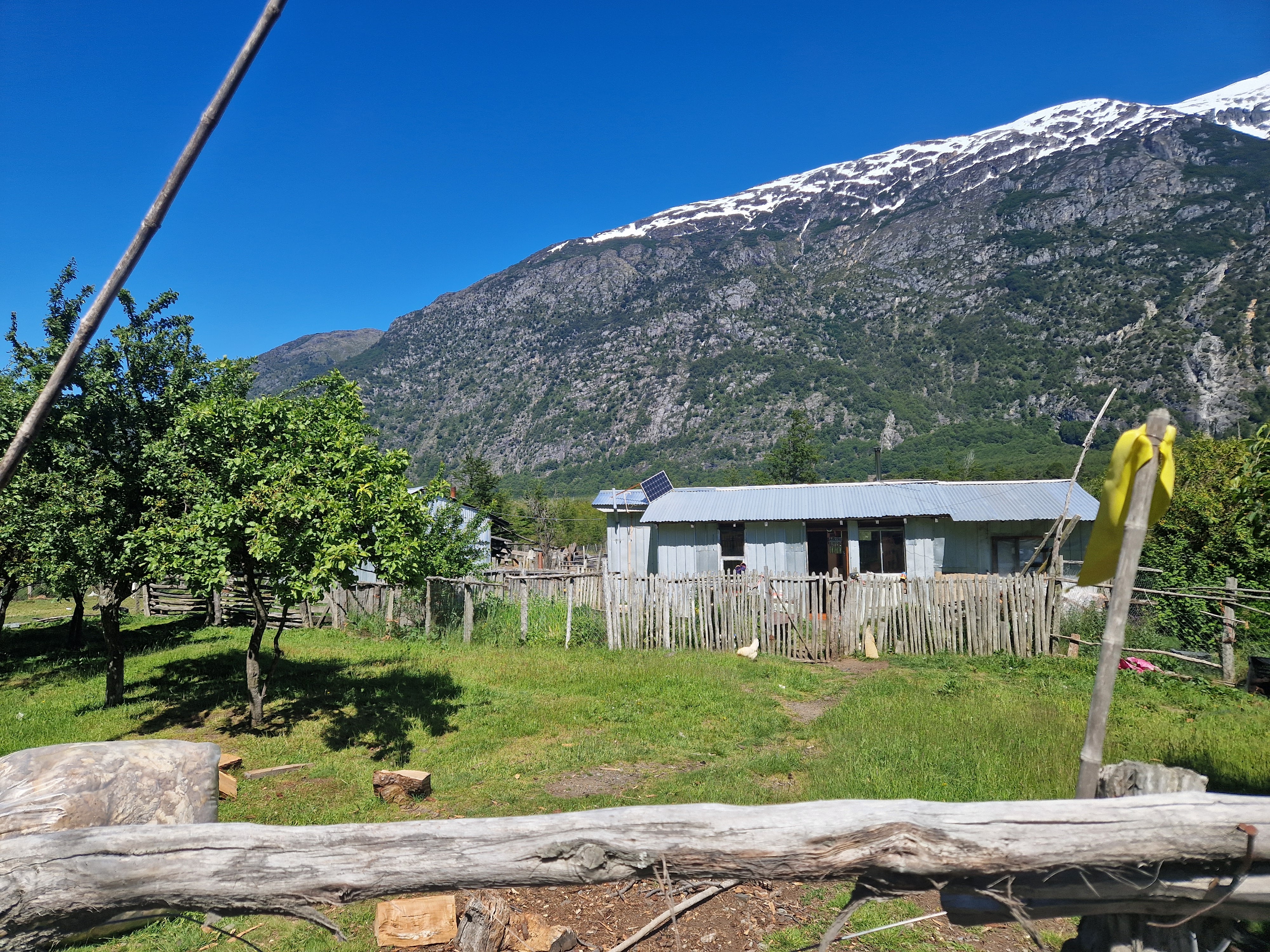
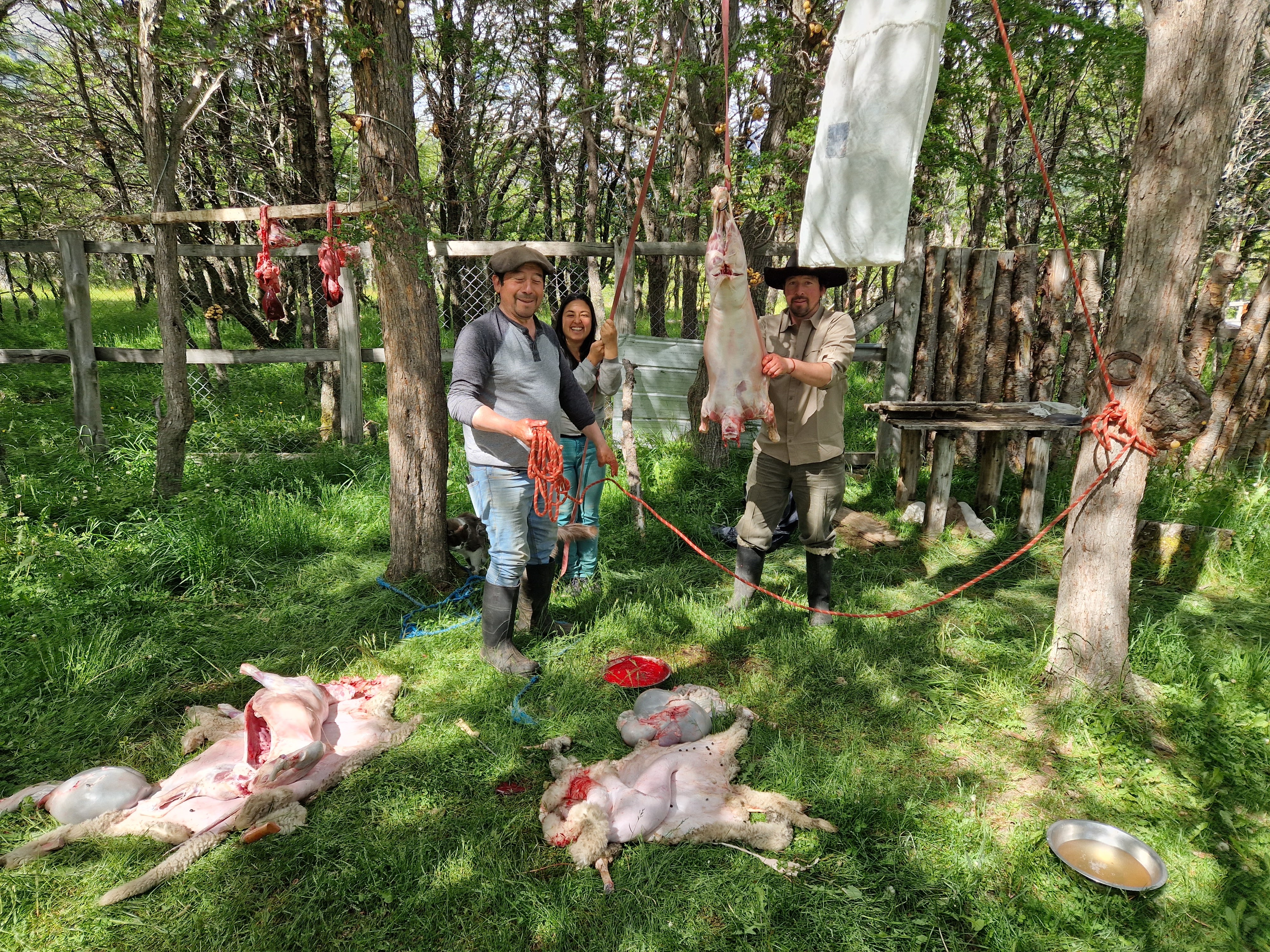
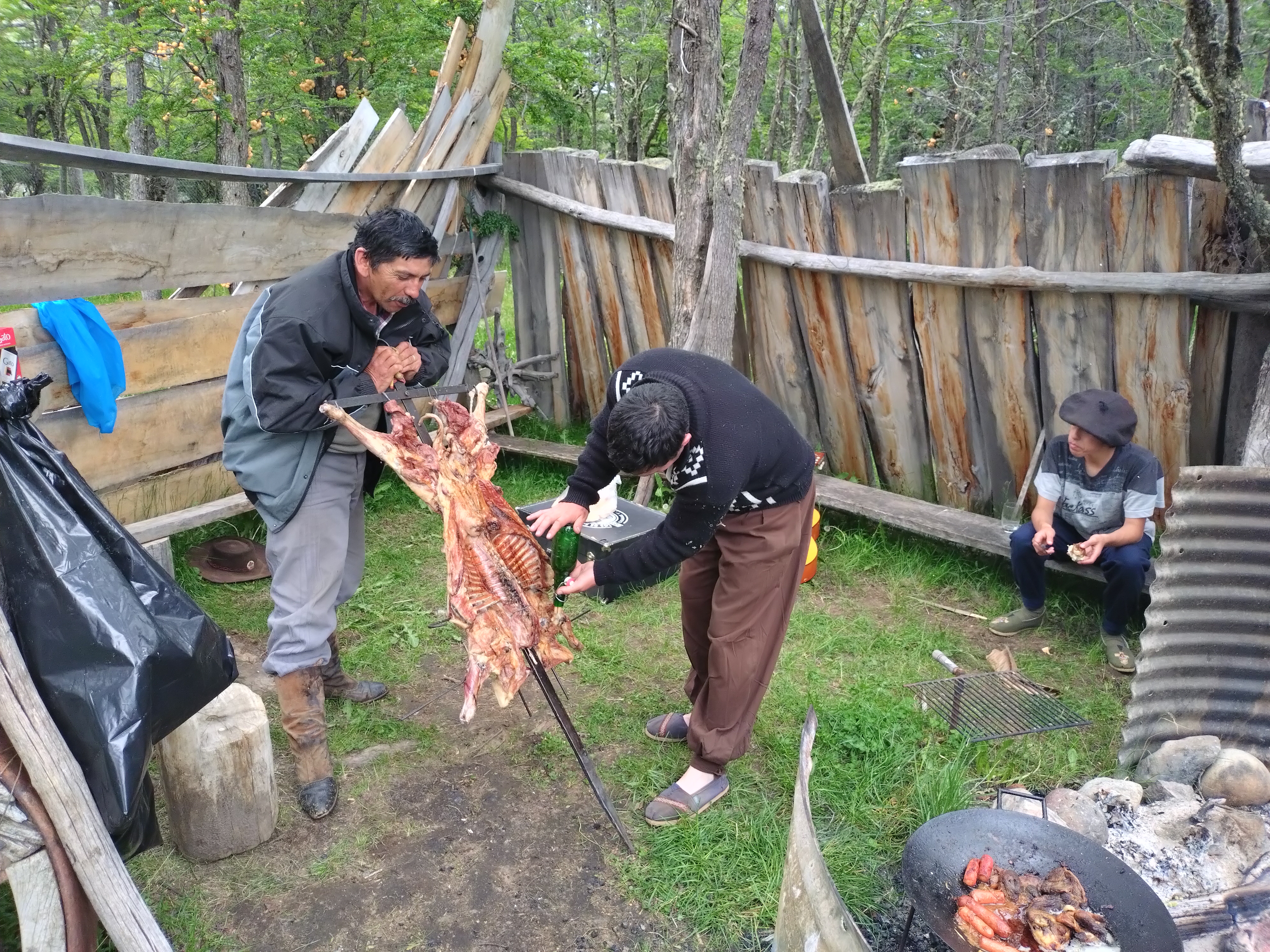
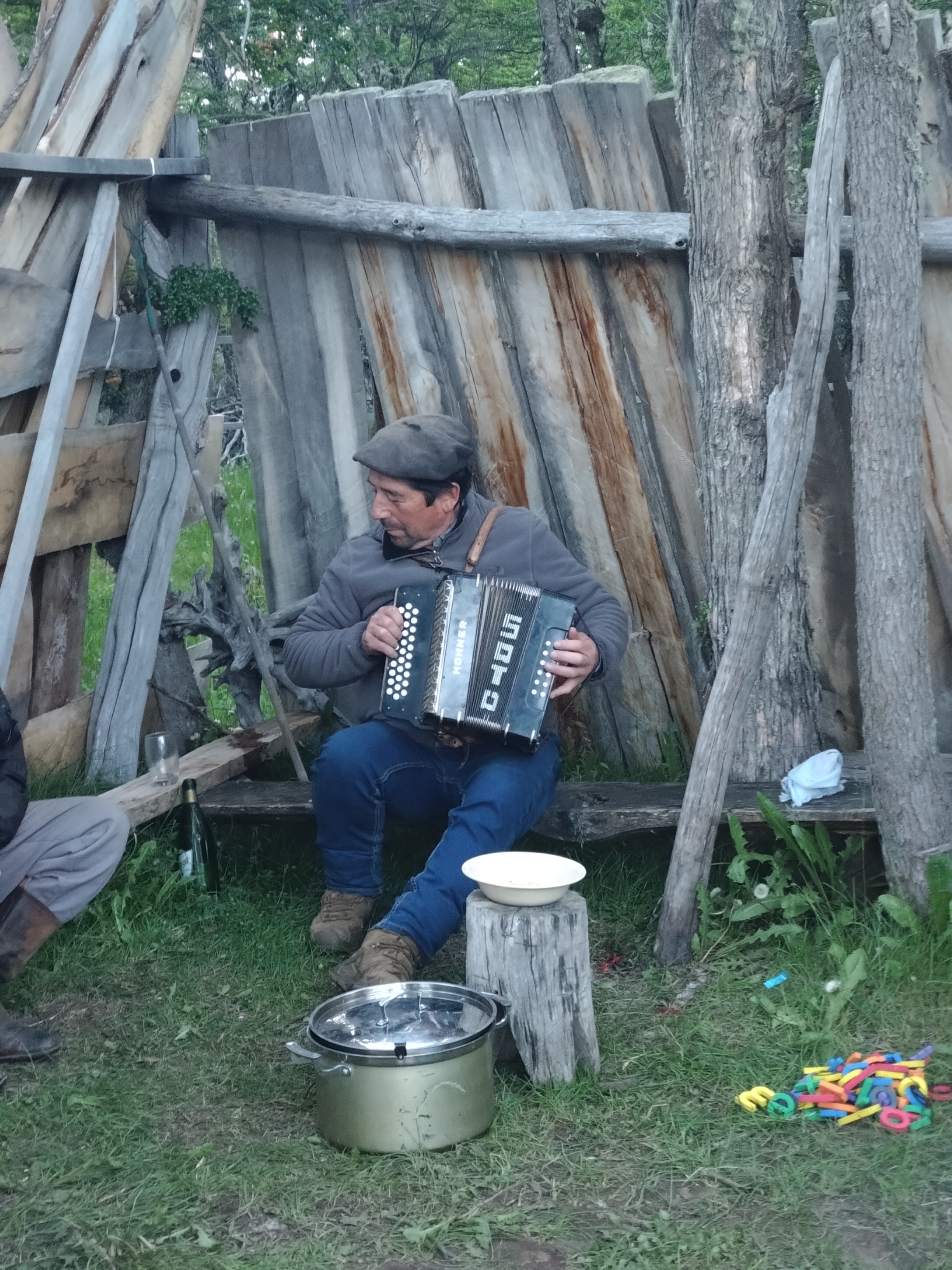
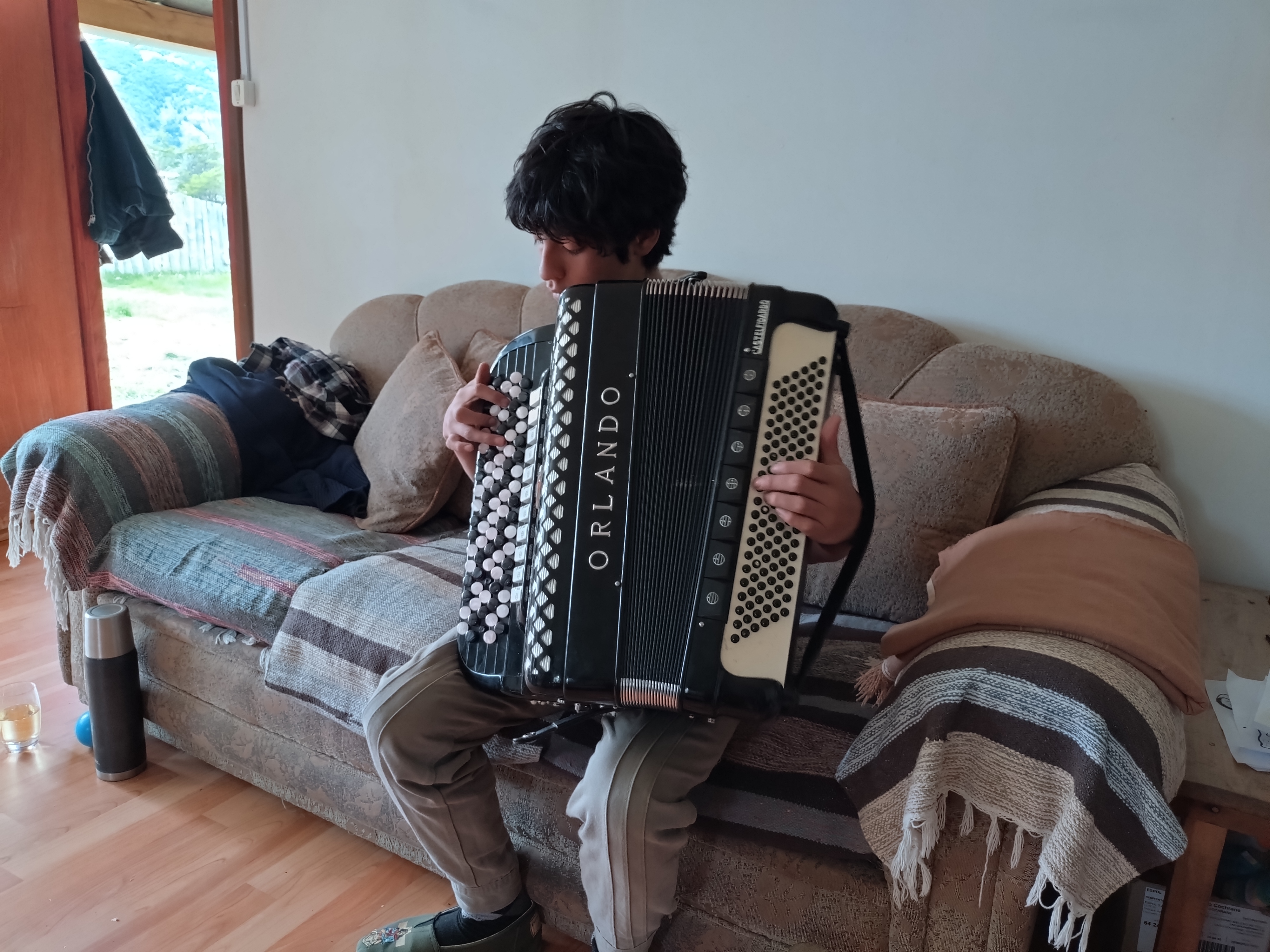
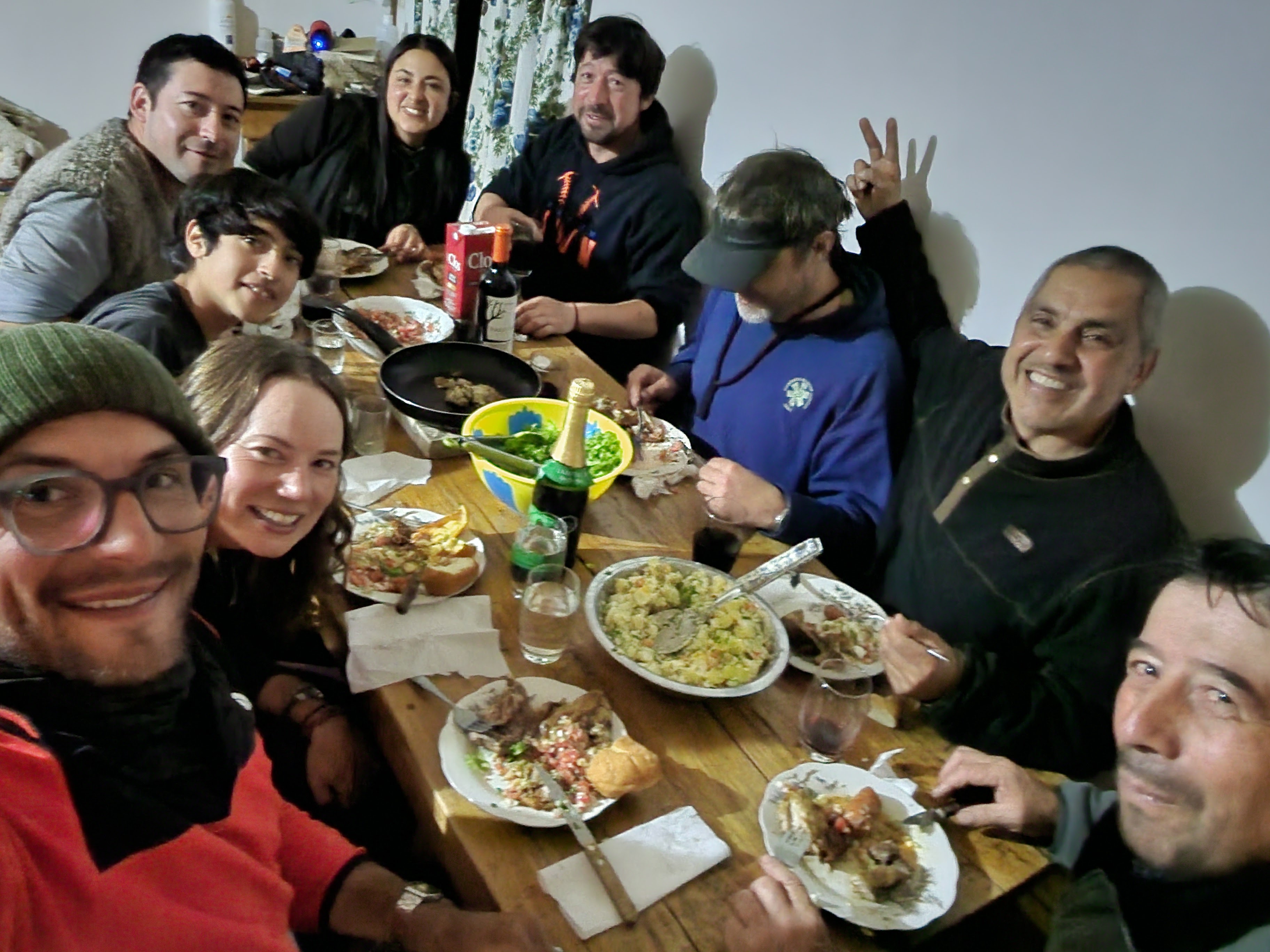
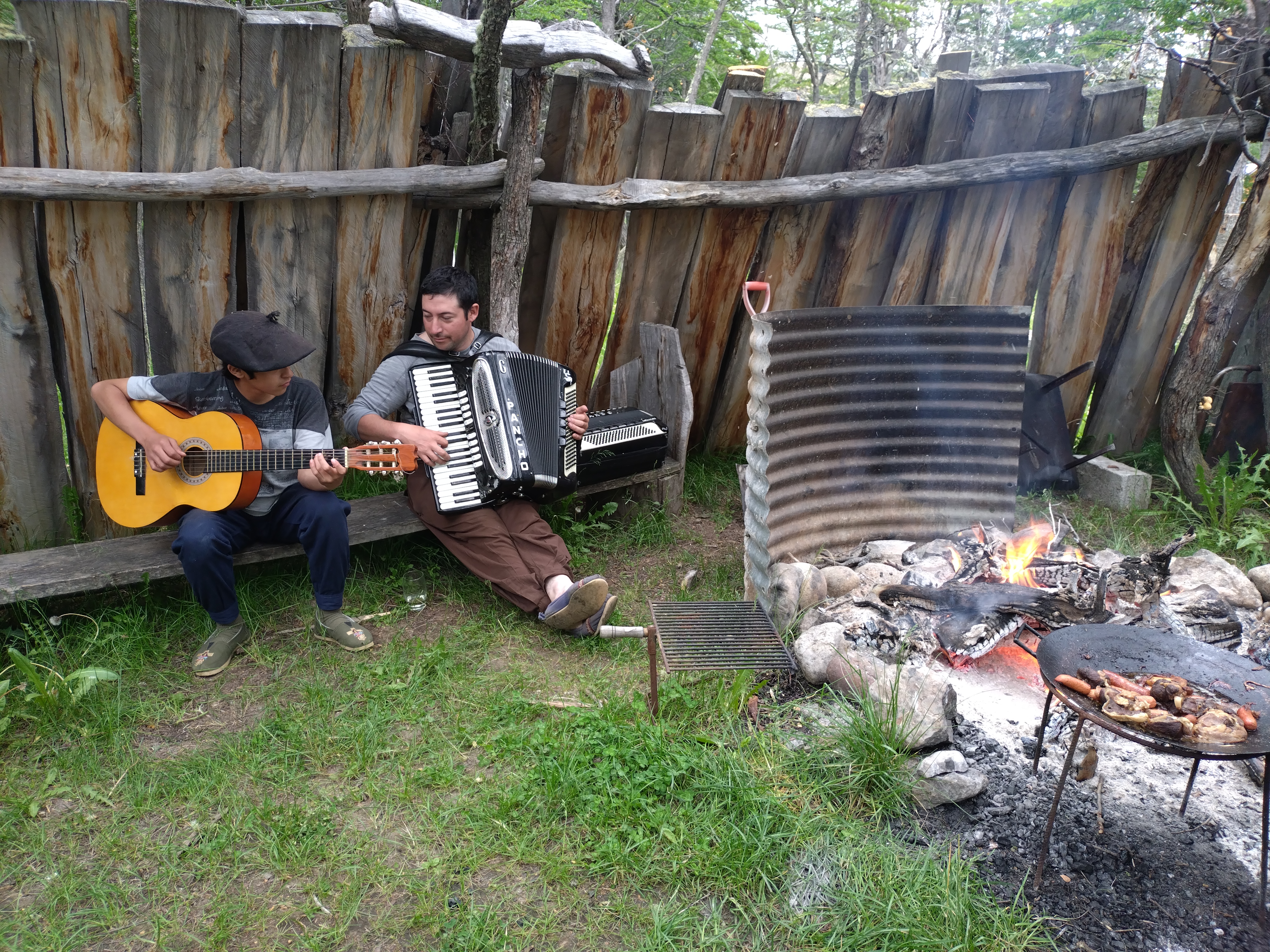
On packing up to leave the farm, we were invited to stay for Christmas and to eat with the family, as they were making lots of food and slaughtering a couple of sheep for the special occasion (a tricky position to be in as a vegetarian!) but it was such a generous offer we couldn’t refuse. We don’t really feel festive as we’ve obviously not enjoyed any of our usual festive traditions, and the summer weather here has made Christmas feel very topsy turvy, but we know it’ll be a Christmas like no other for us and a real joy to be able to experience a true Chilean Navidad, being welcomed by such a kind and welcoming family. We are really appreciating the opportunity to pause and enjoy this special place with such a warm and generous family – There’s no phone reception, no internet or WiFi, no mains electricity, the only water is the stuff that runs off the mountain side, just one family, three generations and taking the time to slow down and appreciate the simple things is a real gift. So Merry Christmas / Feliz Navidad to one and all.



 Tumbling Diaries
Leave a reply to Romane Louarn Cancel reply